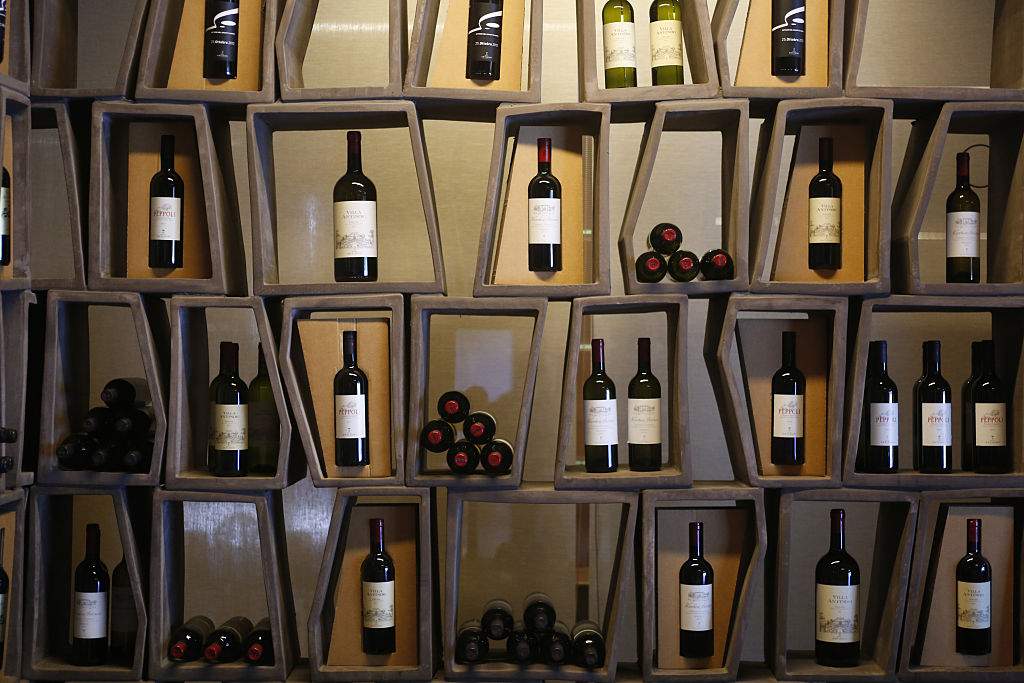
Thirty thousand bottles vanish into the quiet Tuscan night. No broken glass left behind. No clumsy fumbling through dusty cellar corridors. Just an astronomical void where millions of euros in liquid history once rested, marking what law enforcement officials recognize as the largest wine theft in modern Italian history.
When professional thieves targeted a facility belonging to the prestigious Marchesi Antinori empire near Cortona, they did not smash windows or hold night watchmen at gunpoint with amateur theatrics. This was a military-grade logistics operation. Moving thirty thousand bottles of ultra-premium wine requires heavy transport, precise timing, and a refrigeration chain to protect the liquid asset from spoiling. It demands an intimate knowledge of inventory layouts and a ready-made underground distribution network capable of swallowing thousands of bottles of high-end vintage without blinking an eye.
The casual observer watches films and imagines eccentric billionaires buying stolen masterpieces to gaze at them in secret underground rooms. Real estate magnates and tech moguls do not hoard stolen bottles of Super Tuscan labels in damp cellars. The high-end wine black market operates on a much more sophisticated plane, deeply integrated into the global hospitality and private collector economy where pedigree is easily laundered through layers of complacency, shell companies, and fraudulent paperwork.
The Mechanics Of Liquid Plunder
Fine wine theft is rarely a crime of passion. You cannot simply fence thirty thousand bottles of globally tracked, individually numbered, and strictly allocated luxury vintage to a local tavern. Every single bottle carries a distinct identity. Producers like Antinori track case numbers, pallet serials, and shipping destinations with obsessive precision.
To pull off a theft of this magnitude, the perpetrators relied on advanced pre-planning. They knew precisely which pallet locations held the high-value stock. They bypassed security systems that would give ordinary burglars nightmares. More importantly, they had a buyer lined up before the first crate was loaded onto a heavy-duty freight truck.
This points directly to an uncomfortable truth about the luxury goods sector. High-end criminal enterprises function like legitimate supply chains. They possess demand forecasting capabilities, specialized transport logistics, and corruption pipelines that span international borders. When bottles worth hundreds or thousands of euros each disappear, they do not remain in Italy. They travel through opaque transit routes, crossing borders into regions with lax enforcement or high demand for exclusive labels, eventually finding their way into private collections or unscrupulous restaurants where patrons care more about the prestige of the label than the provenance of the cork.
Why Vulnerability Follows Prestige
Winemaking regions have long cultivated an image of rustic romance. Rolling hills, sun-drenched vineyards, family dynasties spanning six centuries, and quiet cellars where time slows down. This pastoral fantasy obscures the reality of modern agricultural commerce. Luxury wine is an asset class. It outperforms gold during economic downturns, commands staggering prices at international auction houses, and serves as an alternative investment vehicle for the ultra-wealthy.
As bottles appreciate in value, security measures struggle to keep pace with the financial incentives driving criminal syndicates. Traditional wineries are built for production and hospitality, not as high-security vaults. They sit on sprawling rural estates with miles of perimeter access, making them soft targets for coordinated professional crews equipped with night-vision gear, signal jammers, and insider intelligence.
The commercial pressure to scale production and expand storage facilities further exacerbates the risk. Wineries must store massive inventories across remote distribution hubs while waiting for wines to mature or ship. Each auxiliary warehouse represents an exposed flank in an industry that is fundamentally unequipped for industrial espionage and organized crime.
Laundering Liquid Assets
How do criminals turn stolen bottles into spendable cash without triggering immediate alarms? The answer lies in the gray market ecosystem.
When a collector purchases a rare vintage through private channels, they rarely demand the complete chain of custody stretching back to the original estate. They look at the capsule, the fill level, the condition of the label, and the reputation of the seller. If the price is slightly below market value, human nature takes over. Greed silences skepticism. Buyers convince themselves they have stumbled upon a rare liquid windfall rather than the spoils of a midnight raid.
Unscrupulous intermediaries exploit this psychological blind spot. They mix stolen stock into legitimate consignments, create fraudulent provenance documents, or target emerging markets where connoisseurship is booming but verification infrastructure remains weak. Once the wine is poured into a crystal glass at an exclusive private dining club or uncorked at an elite corporate retreat, the evidence literally vanishes.
The Broader Fallout For The Industry
The fallout from the Cortona breach extends far beyond the immediate financial ledger of a single historic estate. Insurance underwriters are already rewriting risk assessments for agricultural enterprises across Europe. Premiums for high-end producers are skyrocketing, forcing smaller family-run vineyards out of the market or compelling them to invest heavily in biometric access controls, 24-hour armed patrols, and blockchain-based bottle tracking systems that fundamentally alter the traditional culture of winemaking.
Security is antithetical to the romantic marketing of wine. Estates want visitors to feel welcome, open, and connected to the land. Turning a historic cellar into a fortress guarded by motion sensors and security checkpoints destroys the sensory illusion that wine lovers pay thousands of dollars to experience.
Yet, the illusion is cracking. As organized crime syndicates realize that high-end vintages offer high resale values with minimal risk of violent confrontation compared to traditional contraband like narcotics or diamonds, wineries will face a stark ultimatum. Adapt to the realities of industrial-scale security, or watch millions of dollars in liquid history vanish into the dark.
Italy's biggest-ever wine heist • FRANCE 24 English
This video provides an overview of the historic multi-million-euro wine theft in Tuscany that targeted a renowned winery and stunned the global viticulture community.