The kitchen clock indicates it is precisely 6:42 PM.
The pan is hot. Olive oil shimmers, sending faint wisps of smoke toward the ceiling. Garlic is sizzling, its sharp aroma filling the room. Everything is primed for perfection. You grab the can opener, pierce the tin of chopped tomatoes, and twist. You expect a rich, velvety crimson tide to flood the pan.
Instead, out pours a pale, watery fluid populated by hard, yellowing chunks of tomato skin and tough, fibrous cores.
Instantly, the temperature of the pan drops. The oil sputters violently. The garlic burns. What was supposed to be a comforting, rich bolognese transforms into a watery, metallic soup. Dinner is ruined, or at least permanently compromised.
It feels like a minor tragedy, but it happens in millions of kitchens every single week. We treat the humble can of chopped tomatoes as a generic commodity. A tin is a tin, we tell ourselves. We grab whatever is on the supermarket shelf, usually dictated by a vague sense of loyalty to a brand or a desperate desire to save twenty pence.
But behind that uniform tinplate exterior lies a massive gamble. To uncover the truth of what we are actually feeding our families, we lined up 23 different tins of chopped tomatoes, cracked them open side by side, and subjected them to a brutal, unyielding taste test.
What we discovered changed how we look at our pantry shelves forever. Only two tins blew us away. And one of the absolute best options on the market costs just 47p.
The Chemistry of Disappointment
To understand why a bad tomato tin feels like a personal betrayal, you have to look at the invisible stakes inside the can.
Consider a hypothetical home cook named Sarah. Sarah is tired after a long shift. She wants to make a simple, nourishing tomato sauce for her kids. She buys a mid-tier supermarket brand, assuming it is safe. When she cooks it, the sauce tastes sour, thin, and strangely metallic. She tries to fix it by dumping in tablespoons of sugar and dried herbs, but the foundational flavor is broken. Her kids push the food around their plates.
Sarah blames her cooking skills. But the fault isn't hers at all.
When large-scale manufacturers process chopped tomatoes, they use high-speed mechanical harvesters. These machines don't care about sweetness or ripeness; they strip the vines clean. Green, underripe tomatoes are scooped up alongside the red ones. To strip the skins, factories often use chemical scalds or steam. If the tomatoes are low quality, they lack natural sugars and high acidity.
To compensate for this watery, bitter harvest, manufacturers pack the tin with tomato juice. But not all tomato juice is created equal. Some brands use a thick, rich puree to coat the chunks. Others use what is essentially tomato-tinted water, heavily salted and spiked with citric acid to mimic freshness.
When you open a cheap, poorly made tin, you are mostly paying for watered-down acidity. The tomato chunks themselves are often firm because they were picked green, containing high amounts of calcium chloride, a firming agent used to stop underripe fruit from turning to mush during processing. You can simmer these chunks for three hours, and they will still retain their rubbery, stubborn crunch. They will never melt into a sauce.
The 21 Flawed Pretenders
Lining up 23 bowls of cold, raw chopped tomatoes is a sensory reality check. When you taste them back-to-back without the masking effects of heat, garlic, and salt, the illusions vanish.
Most of the 23 tins we tested fell into a massive, mediocre middle ground.
Several famous, household-name brands—the ones with the beautiful, nostalgic Italian packaging that charge upwards of £1.50 a tin—failed miserably. One premium brand presented chunks that looked beautifully red, but tasted entirely of nothing. It was like eating wet paper. Another major organic label was so aggressively sour it made the back of the jaw ache.
The big-name supermarkets fared no better. Their standard mid-tier offerings were consistently watery. In bowl after bowl, the tomato chunks floated like isolated islands in a vast, pale pink sea of liquid. If you pour this into a pan, you have to spend forty minutes boiling off the excess water just to get a concentrated flavor, wasting energy and turning your dinner into a stressful waiting game.
We noticed a distinct pattern. The tins that failed all shared a specific visual cue: a high volume of yellow stem-ends and visible flecks of tough skin. It signals a rushed production line that values volume over sorting. You are paying for the factory's leftovers.
The Unexpected 47p Savior
Then, we hit the budget tier. This is where the experiment got interesting.
Most people assume that dropping below 50p for a tin of food means sacrificing safety, flavor, and dignity. We expect the cheapest option to be the worst. But when we cracked open the Lidl Baresa Chopped Tomatoes, priced at a mere 47p, the room went quiet.
It defied every rule of budget grocery shopping.
The liquid wasn't watery; it was remarkably thick, clinging to the spoon with a rich, deep crimson hue. When tasted raw, there was no sharp, metallic tang of citric acid. Instead, a clean, natural sweetness broke through, followed by a balanced, gentle acidity. The chunks were tender, indicating they were harvested at the peak of ripeness, yet they retained enough structure to provide texture.
How does a 47p tin outperform brands three times its price? It comes down to sourcing and supply chain efficiency rather than cutting corners on the fruit itself. Discounter brands like Lidl move immense volumes of inventory rapidly, allowing them to negotiate massive contracts with major Italian processors during peak harvest season. They don't spend millions on television advertising or glossy magazine spreads. The value is poured directly into the tin.
For anyone trying to stretch a household budget without serving bland, depressing meals, this isn't just a good option. It is a revelation. It proves that culinary dignity doesn't require a premium price tag.
The Two That Blew Us Away
While the 47p Lidl tin won the prize for incredible value, two tins out of the 23 stood completely apart from the rest. They weren't just good ingredients; they were culinary experiences in their own right.
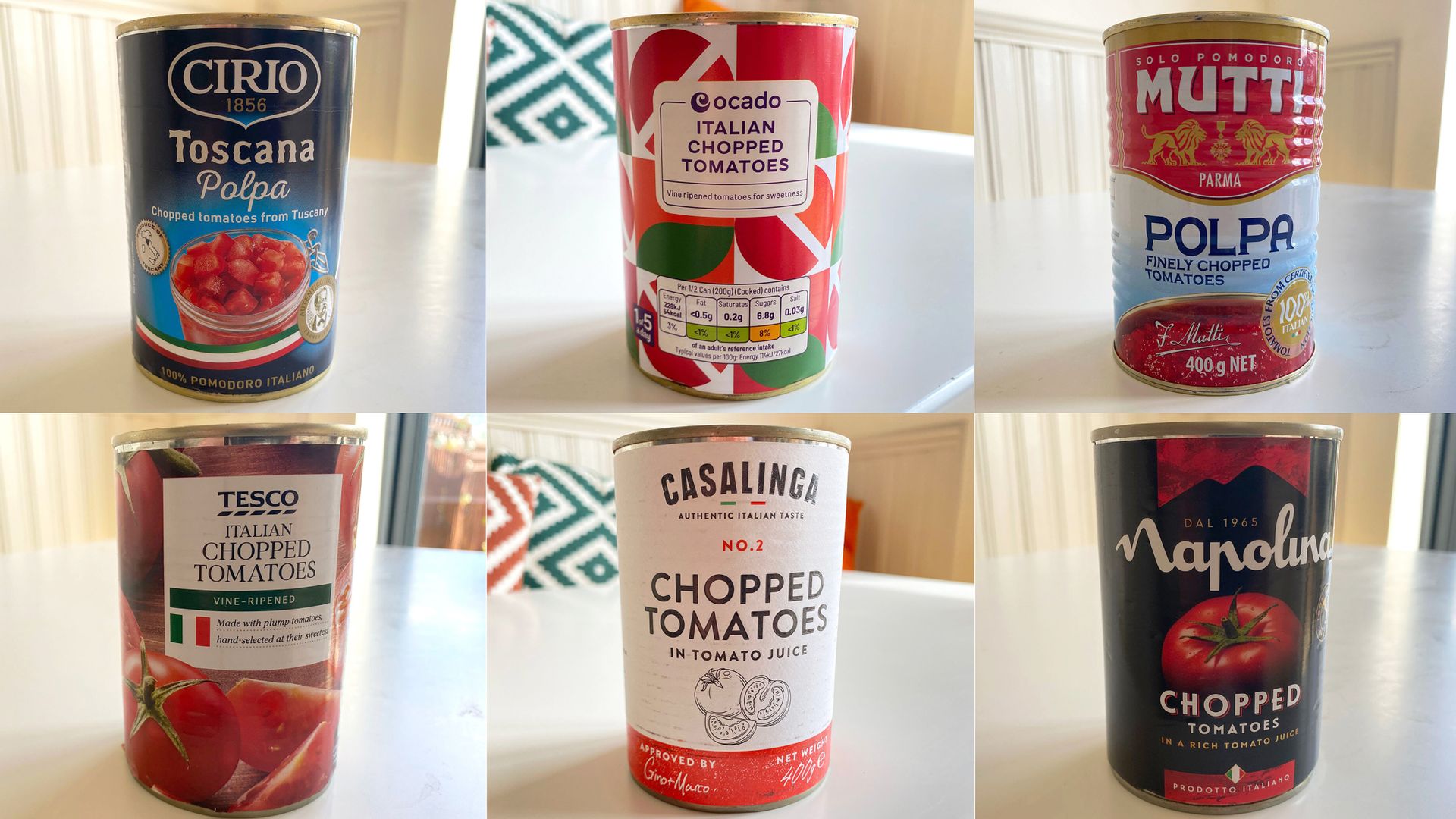
The first was Mutti Chopped Tomatoes (Polpa).
Mutti is a heavy hitter in the tomato world, and tasting it side-by-side with standard supermarket brands explains exactly why. The brand uses a patented cold-processing method that chops the tomatoes into incredibly fine pieces, removing the skin and seeds entirely. The result isn't a bowl of chunks floating in water; it is a dense, uniform, jammy masterpiece.
Tasting Mutti is like biting into a tomato that has been baking under the midday sun in Emilia-Romagna. It possesses a vibrant, bright, almost electric freshness. It doesn't need to be simmered for hours to taste good; you could eat it cold out of the tin with a pinch of salt and a drizzle of olive oil. It is the definitive choice for quick pasta sauces, seafood dishes, or homemade pizza where the tomato needs to sing rather than hide.
The second tin that completely stunned us was Cirio Chopped Tomatoes.
Where Mutti brings brightness and electric freshness, Cirio brings deep, savory complexity. The juice surrounding these tomatoes is incredibly thick, bordering on a light paste. The flavor profile is rich, bass-heavy, and intensely umami.
Cirio tomatoes are harvested in the southern regions of Italy, where the soil and intense heat produce fruit with a higher sugar content and a deeper color. This tin is built for the long haul. It is the ultimate foundation for a rich ragù, a slow-cooked chili, or a winter stew. It holds up against strong spices, red wine, and fatty meats, binding the ingredients together into a cohesive, comforting whole.
Both Mutti and Cirio cost more than the 47p budget hero, usually retailing between £1.20 and £1.60 depending on supermarket promotions. But unlike their mediocre premium competitors, they justify every single penny. They transform cooking from a chore of damage control into an act of creation.
The True Cost of the Bottom Shelf
We live in a world that constantly encourages us to look at the price tag first and the product second. We fill our carts with identical-looking cans, assuming that food production has been so standardized that everything tastes roughly the same.
But our kitchens are the places where these corporate shortcuts are exposed.
Choosing the wrong tin of tomatoes isn't a financial disaster, but it is a theft of joy. It turns the ritual of cooking—the hour at the end of the day where we step away from screens and create something real—into a frustrating exercise in compromise. You spend your evening fighting the ingredient, trying to fix its flaws, rather than letting it work for you.
Next time you stand in the supermarket aisle, confronted by that towering wall of silver tins, remember that you are looking at a landscape of choices. You can spend £1.50 on a fancy label that delivers water and disappointment. You can spend 47p at Lidl and secure a rich, sweet base that outperforms the middle market. Or you can invest a little more in a tin of Mutti or Cirio, elevating a simple Tuesday night dinner into something truly memorable.
The choice seems small. But dinner is waiting, the pan is getting hot, and the can opener is in your hand.