The rain in East Tennessee does not fall softly. It comes down with an aggressive, rhythmic weight, turning the clay red and heavy, washing the pine needles across gravel driveways until the mountain hollows look like old photographs left out in the damp.
In towns like Sevierville, people know the sound of that water rising. They know the creek beds that look harmless in August can become roaring, grey-brown freight trains by November. They know how quickly a life can be upended, how fast a roof can peel back, how thin the margin is between a quiet Tuesday and absolute ruin.
And yet, for decades, whenever that margin has snapped, a very particular kind of relief has followed.
It does not arrive via committee. It does not wait for federal disaster declarations or bureaucratic clearance forms. It rolls in on the back of a reputation built on cheap guitars, powdered wigs, and a voice that can cut through the clatter of a sawmill.
Dolly Parton does not just give money. She anchors a community that the rest of the country often treats as a punchline or forgets entirely.
To understand why America clings to her with such fierce, almost desperate affection, you have to look past the rhinestones. You have to look at the dirt.
She grew up dirt poor. Not the modern, aestheticized version of rural hardship that pop country songs try to sell to suburban teenagers, but the real kind. The kind where a doctor is paid with a bag of cornmeal because cash is a rumor. The kind where twelve kids share a cabin that smells of woodsmoke and damp wool.
When you come from a place where a pair of shoes is a major household asset, you do not forget the texture of need. That is the engine driving her philanthropy. It is not tax strategy or public relations choreography. It is the lingering memory of cold floors.
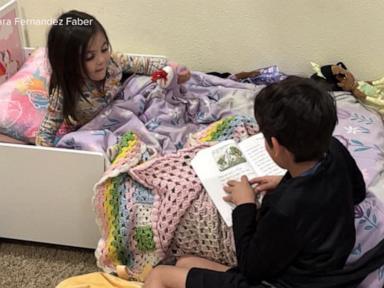
Consider the Imagination Library. It started quietly in Sevier County in 1995. The premise was deceptively simple: mail a book every month to every child from birth until they start school, regardless of family income. Critics whispered that poor parents wouldn't read to their kids, that the books would end up as kindling or torn-up scrap.
They were wrong.
Today, that single local initiative has shipped well over two hundred million books globally. Think about what that actually means in a physical sense. Millions of heavy cardboard boxes sliding onto rural porches. Toddlers sticky-fingered and wide-eyed, tearing open envelopes addressed specifically to them, learning that paper can hold entire worlds where the ceiling isn't leaking.
She did not wait for a grant. She built the bridge herself, plank by plank, using the proceeds of her own songwriting royalties.
Then came the wildfires of 2016.
The flames didn't care about Dollywood or the Dolly Parton stamp on the billboards along the Parkway. They roared down the slopes of the Great Smoky Mountains like an advancing army, eating through Gatlinburg and Pigeon Forge, turning vacation cabins and multi-generational family homes into grey ash. Thousands fled with nothing but the clothes on their backs.
Within days, Parton announced the My People Fund.
She committed one thousand dollars a month for six months to every family whose home was rendered uninhabitable. For a mother sleeping on a cot in a high school gymnasium, wondering how to buy milk when her purse burned in the closet, that money was not charity. It was oxygen. It was the difference between drowning and treading water long enough to figure out where to go next.
When reporters shoved microphones in her face, asking how she managed to bear the weight of a traumatized county, she did not quote scripture or policy briefs. She cried. She admitted she was scared. She told the cameras that these were her people, that their blood ran in her veins, and that she couldn't just sit in Nashville and watch them burn.
That vulnerability is her superpower. In an era where public figures are manufactured by algorithms and media training, polished until they reflect nothing at all, Dolly remains stubbornly, bafflingly human. She cracks jokes about her own plastic surgery with a self-deprecation so total it disarms the hardest cynic. She wears towering heels and sings about heartbreak with a crystalline sincerity that makes you feel like she is sitting right across the kitchen table, nursing a cup of lukewarm instant coffee.
We live in a culture obsessed with purity tests and ideological dividing lines. We are constantly sorting each other into camps, waiting for the other person to slip up so we can cast them into the outer darkness.
Dolly Parton operates entirely outside that grid.
She refuses to take the bait. When interviewers try to goad her into political trench warfare, she smiles that wide, glittering smile and pivots back to unity, humor, and shared humanity. Some cynics call it calculated business sense. But walk down a dusty road in Sevier County and talk to a mechanic who voted one way and a schoolteacher who voted the opposite, and ask them both how they feel about Dolly.
They will both look at you as if you’ve asked a deeply stupid question.
She belongs to them. Not as an icon, but as kin.
When the pandemic hit, while the rest of the world was descending into a miserable stew of isolation and algorithmic paranoia, she quietly dropped a million dollars into vaccine research at Vanderbilt University. When the Moderna vaccine rolled out, footage aired of her sitting in a sterile clinic, rolling up her sleeve, and cheerfully belting out a rewritten version of "Jolene" to ease the nurse's nerves.
"Vaccine, vaccine, vaccine, va-aa-ccine / I'm begging of you, please don't hesitate."
It was corny. It was brilliant. It probably saved lives simply by short-circuiting the manufactured outrage of the cultural moment with a disarming laugh.
That is her true legacy. Not just the platinum records, or the theme park, or the literacy programs, though any one of those would cement a lifetime. Her legacy is a masterclass in how to wield influence with grace. She reminds us that power does not have to be punitive. It can be generous. It can be joyful. It can smell like fried chicken and mountain laurel and arrive just when the night is at its absolute blackest.
The rain still falls hard in the Smokies. The rivers still rise. The political winds still howl with malice and division.
Somewhere out there, beneath the weight of a massive blonde wig and a glittering costume that costs more than a family sedan, a seventy-eight-year-old woman is sitting on a bus, writing a song about heartbreak or redemption, or signing checks for kids she will never meet.
And for a little while, that is enough to make you believe the world might just hold together after all.