The logo is everywhere. A proud, golden mythical lion, chest puffed, stamping its authority onto millions of green bottles across the globe. If you have ever spent a humid evening on a Bangkok rooftop or a beach in Phuket, you know Singha beer. It is more than a beverage. It is an empire. To be born into the Bhirombhakdi family, the $1.75 billion dynasty behind the brew, is to inherit a kingdom.
But kingdoms have rules. And the most sacred rule of all is silence.
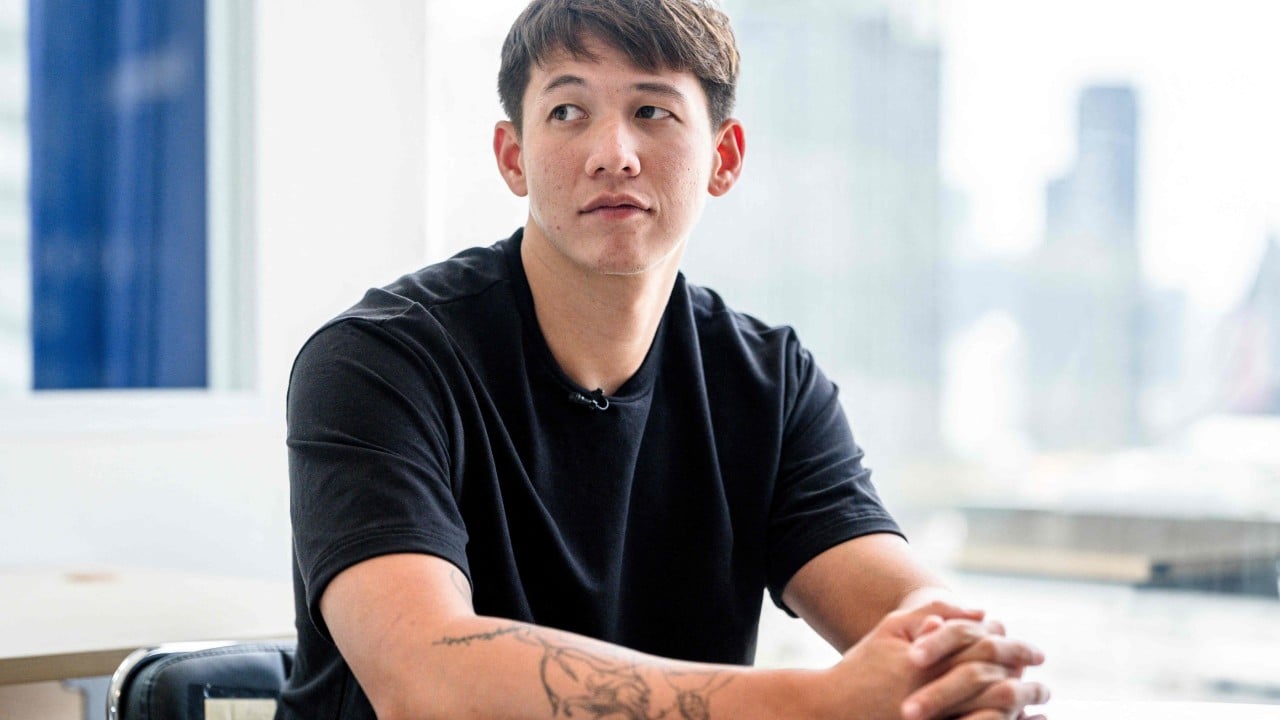
Siranudh Scott, known to his hundreds of thousands of social media followers as "Psi," spent his life trying to escape the shadow of the golden lion. He became an environmentalist. He swam long distances in the open ocean, finding solace in the deep blue where the noise of high society could not reach him. He was a fourth-generation heir, yet he begged the public to stop calling him that.
Behind the glittering gala dinners and the formula one sponsorships lay a horror story.
When Psi was a boy, between the ages of nine and thirteen, a nightmare unfolded every summer. When his older brother returned home from boarding school, the safety of the family estate vanished. Psi alleges he was repeatedly sexually abused by his brother and a caregiver.
For years, the trauma was a family secret. Psi eventually confronted his brother and recorded the confession on tape. The elders listened. The executives listened. Then, they told him to keep quiet. They offered financial compensation to bury the pain. Protect the brand. Protect the name.
Silence can be bought for a time. But dignity cannot.
The breaking point arrived not from the perpetrator, but from the person who was supposed to protect him. Psi’s mother, Chiranuj Bhirombhakdi, filed a lawsuit against her own son. She was not suing him for a breach of contract or a business dispute. She invoked a weapon unique to the Thai legal system.
The "ungrateful child" law.
Dating back to 1908, this legal relic allows parents to strip their children of properties, land, and gifts if the offspring are deemed disrespectful, neglectful, or if they cause serious reputational harm to the family. Psi's grandfather had left him millions of dollars in land. His mother wanted it back. The crime? Psi had shattered the family's immaculate public image by speaking his truth.
Imagine standing in a courtroom, looking at the woman who gave you life, realizing that in the eyes of the law, your survival is less important than her reputation.
The legal system was literally weaponizing filial piety. In Thailand, the concept of bunkhun—the immense, unpayable moral debt a child owes to their parents for raising them—is woven into the very fabric of society. It dictates obedience. It demands hierarchy.
Psi refused to play the part of the dutiful, silent son. He went online. He wept on camera. He released the recordings.
"Please take your money and power away," he said, the raw emotion vibrating through the screen. "Because my dignity can't be bought."
The shockwaves fractured Thai society. Thailand had largely missed the global #MeToo movement; public reckonings involving elite conglomerates simply did not happen. Suddenly, the hashtag #PsiScott opened a floodgate of suppressed agony. Celebrities, influencers, and everyday citizens began sharing stories of abuse they had carried in silence for decades. The illusion of the perfect, harmonious family structure was melting away under the heat of public scrutiny.
The mother's legal team claimed the lawsuit was a desperate attempt to "reunite the family" and resolve the tension through court-mandated mediation. It is a bizarre logic: sue your traumatized child for millions to force them back into the fold.
But the strategy backfired. The parent company of Singha dismissed the older brother from his executive role. The golden lion had to sacrifice a pawn to save the queen.
As the legal battle grinds through mediation hearings, the case has evolved into something much larger than a family feud over prime real estate. It is a war between two worlds. On one side stands a century-old law designed to enforce absolute submission to elders, protecting the powerful from the consequences of their actions behind closed doors. On the other side stands a generation of young Thais who believe that a body belongs to the person living in it, not the family lineage.
A judge can rule on who owns a piece of land. A court can decide if a son's tears constitute a legal betrayal of his mother. But no verdict can stitch the golden lion back together again. The silence has been broken, and the ocean is refusing to hide the secrets of the shore.