Gold is stuck in a brutal tug-of-war, and for the moment, the bears are winning the rope. If you've been watching the charts in Singapore, Mumbai, or Hong Kong this week, you’ve seen the yellow metal struggle to find its footing. The reason isn't a lack of interest—central banks are still buying—but a toxic cocktail of surging energy costs and a Federal Reserve that refuses to blink.
The traditional "safe haven" narrative is hitting a wall. Usually, when things get messy in the Middle East and oil prices spike, gold is the first thing people grab. But we’re seeing a decoupling that's catching retail investors off guard. Oil just hit a four-year high, crossing $126 per barrel. Instead of sending gold to the moon, it’s actually dragging it down. Why? Because expensive oil equals "sticky" inflation, and sticky inflation means the Fed has every excuse to keep interest rates high for much longer than anyone hoped. Building on this topic, you can find more in: Stop Cheering for the Scotch Tariff Cut (It’s a Trap).
The Oil Trap and the Fed's Long Shadow
The math for gold is getting complicated. When Brent crude stays above $120, it’s not just a problem for your gas tank; it’s an inflationary nightmare that forces the Federal Reserve's hand. In its latest meeting, the Fed held rates steady in the 3.50% to 3.75% range. That wasn't the surprise. The kicker was the "higher-for-longer" rhetoric that followed.
Traders who were betting on rate cuts in late 2026 are now staring at a harsh reality. There’s even a 30% chance of a rate hike by early 2027. Gold doesn't pay interest. When you can get a guaranteed return on US Treasuries because the Fed is hawkish, holding a heavy bar of gold starts to look expensive. This "opportunity cost" is the primary reason gold is set for a weekly loss of nearly 2%. Observers at Harvard Business Review have shared their thoughts on this situation.
Middle East Tensions and the Strait of Hormuz
Geopolitics usually help gold, but right now, they're helping oil more. With Iran threatening "painful strikes" and the Strait of Hormuz—a vital oil chokepoint—under constant threat, energy prices are the priority for markets. This creates a feedback loop.
- Energy costs rise: Driving up production and shipping costs everywhere.
- Inflation stays high: Preventing the Fed from lowering rates.
- Dollar stays strong: Making gold more expensive for buyers using Asian currencies.
Asia's Shift from Jewelry to Investment Bars
The ground is shifting in the world’s biggest gold-consuming region. Traditionally, families in India and China buy jewelry as a store of wealth. But with prices hovering near $4,600 an ounce, the "adornment" market is effectively on life support. According to the World Gold Council's Q1 2026 report, jewelry demand has plummeted by 23%.
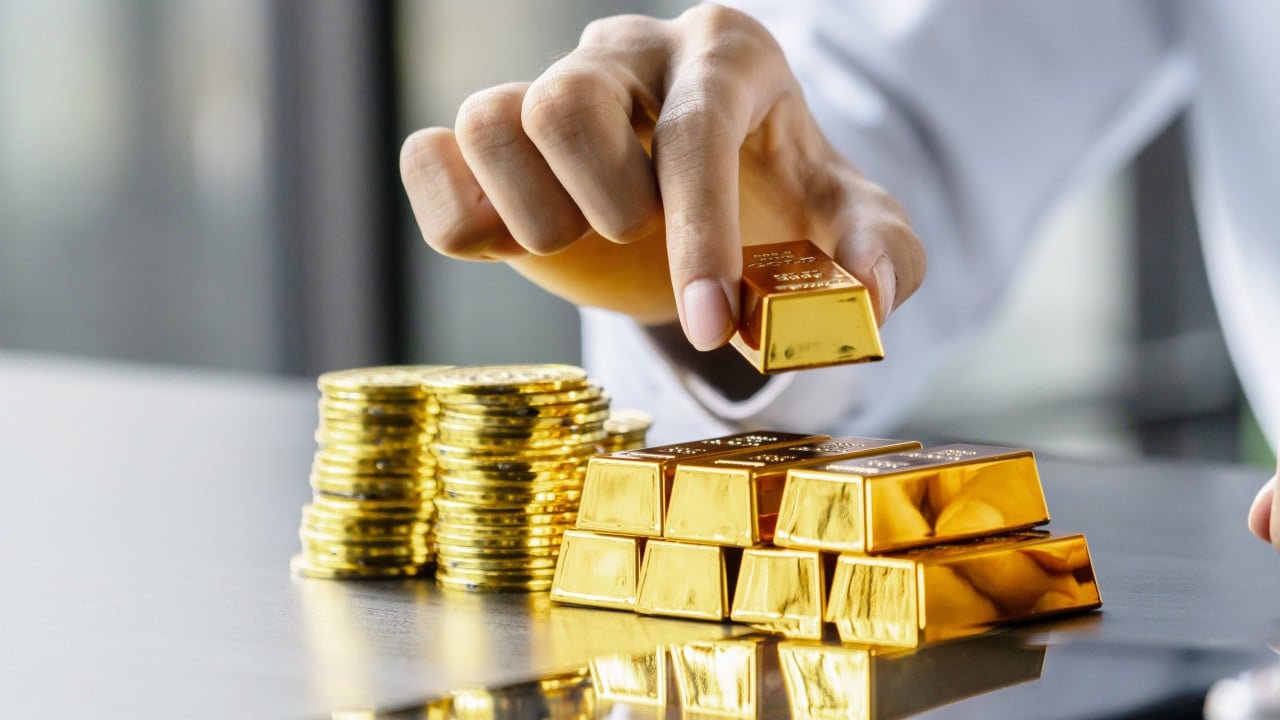
But here’s the twist: while people aren't buying necklaces, they're obsessed with bars and coins. Investment demand in China alone surged 67% recently. Asian investors aren't giving up on gold; they're just getting more surgical about how they buy it. They're ditching the craftsmanship markups of jewelry and going straight for the pure bullion.
Central Banks Aren't Selling
It’s important to note that while retail sentiment is shaky, the big players are still at the table. Central banks added over 240 tonnes to their reserves last quarter. This provides a "floor" for the price. We likely won't see a total collapse because institutions see gold as the ultimate insurance policy against a fragmenting global financial system.
The Problem with Real Yields
If you want to understand where gold is going, stop looking at the headline inflation and start looking at "real yields"—that’s the interest rate you get after subtracting inflation.
When oil drives inflation up, but the Fed keeps rates even higher, real yields climb. This is the "kryptonite" for precious metals. In May 2026, real yields are pushing higher as the market realizes the Fed isn't coming to the rescue with cuts anytime soon. For an investor in Mumbai or Shanghai, the choice is between a non-yielding metal and a dollar-denominated asset that’s actually paying out. Honestly, it's a tough sell for gold right now.
Navigating the Volatility
So, is gold's run over? Not necessarily, but the "easy money" phase of the rally is definitely on pause. We're seeing a massive consolidation phase. Gold is currently finding resistance at the $4,620 level. Until the geopolitical situation in the Middle East stabilizes or the Fed gives a definitive signal that rates have peaked, expect more "sideways" pain.
If you’re looking to play this market, don't chase the rallies. The current environment favors a "buy the dip" strategy rather than aggressive positioning.
- Watch the Dollar Index (DXY): If the dollar softens, gold gets some breathing room.
- Monitor Oil Prices: If oil stays above $125, it’s a signal that the Fed will remain aggressive.
- Check Asian Premium: See if local prices in India and China are trading at a premium or discount to the London spot price; it’ll tell you if the "real" physical demand is actually there.
The shimmer hasn't vanished forever, but for the next few months, you're going to need nerves of steel to hold your bars of gold.