Rights we thought were solid are cracking. If you feel like it’s getting harder to say what you think without looking over your shoulder, you aren’t imagining things. Data from the United Nations and various human rights monitors confirms a grim reality. Global freedom of expression has dropped by 10% since 2012. That isn't just a dry statistic. It’s a decade of lost ground. It means more journalists behind bars, more websites blocked, and more people choosing silence because the cost of speaking up has become too high.
We’re seeing a worldwide squeeze on the right to disagree. Governments that used to pay lip service to democratic values are now using sophisticated tools to muffled dissent. It’s not just about traditional dictatorships anymore. Even in established democracies, the walls are closing in. You see it in restrictive protest laws and the way digital surveillance has turned our phones into tracking devices. The 10% decline reported by UNESCO and the UN Human Rights Office isn't a temporary dip. It's a trend.
The Digital Trap and the End of the Open Web
Ten years ago, we talked about the internet as a liberation tool. We were wrong. Or at least, we were half-right. While the web gave everyone a megaphone, it also gave every government a microscope. The UN points out that "digital authoritarianism" is the primary driver behind this 10% slump. States don't need to send the police to your door if they can just cut your internet or use algorithms to bury your message.
Look at the rise of internet shutdowns. In 2012, they were rare. Now, they're a standard part of the political playbook. If a government faces a protest, they flip the switch. Total darkness. This happens under the guise of "national security" or "stopping misinformation," but the result is always the same. Nobody can see what’s happening. Nobody can organize.
Then there’s the surveillance industry. We're talking about private companies selling military-grade spyware to anyone with a checkbook. Software like Pegasus didn't exist in the mainstream a decade ago. Now, it’s used to infect the phones of activists and reporters. When your private conversations are no longer private, you stop talking. That’s the "chilling effect" in action. It’s a quiet, invisible type of censorship that doesn't make headlines but kills free thought just as effectively as a jail cell.
Journalists are the Canaries in the Coal Mine
If you want to know how healthy a society is, look at how it treats its reporters. The numbers are disgusting. According to UNESCO, nearly 90% of killings of journalists remain unpunished. That level of impunity sends a clear signal. If you dig too deep, you’re on your own.
It’s not just the violence. It’s the "lawfare." We’re seeing a massive spike in SLAPPs (Strategic Lawsuits Against Public Participation). These aren't meant to be won in court. They're meant to bankrupt the defendant. Rich individuals and powerful corporations use these suits to bury small outlets in legal fees. It’s a form of censorship that uses the law as a weapon. Since 2012, the use of these "libel" and "defamation" suits has skyrocketed globally.
I’ve seen how this works firsthand in newsrooms. Editors have to spike stories not because they're false, but because the legal risk is too high. That is a direct loss for you, the reader. You don't get the truth because the truth is too expensive to publish.
The Misinformation Paradox
Governments are now using the fight against "fake news" to crush "real news." This is the great irony of our time. Since the mid-2010s, dozens of countries have passed laws targeting online misinformation. On paper, that sounds great. Who likes lies? But in practice, these laws are written so broadly that they can be used against anyone who criticizes the state.
If you say the economy is failing and the government says it’s fine, you're suddenly a purveyor of "falsehoods." This isn't a hypothetical. We’ve seen this play out in Southeast Asia, Eastern Europe, and across Africa. The UN reports that these laws have been a "game-changer" (in the worst way) for suppressing political opposition. They’ve turned "truth" into something the state defines.
Why the 10% Decline Matters to You
You might think, "I'm not an activist, so why do I care?" You should care because free speech is the "enabling right." It’s the right that protects all your other rights. If you can’t speak about a corrupt local official, you can’t stop them from stealing your tax money. If you can't complain about unsafe working conditions, they won't get fixed.
The decline isn't just about politics. It’s about the general atmosphere of fear. When the window of "acceptable" speech shrinks, so does our ability to solve problems. We get stuck in echo chambers where nobody dares to point out that the emperor has no clothes.
The Rise of Self-Censorship
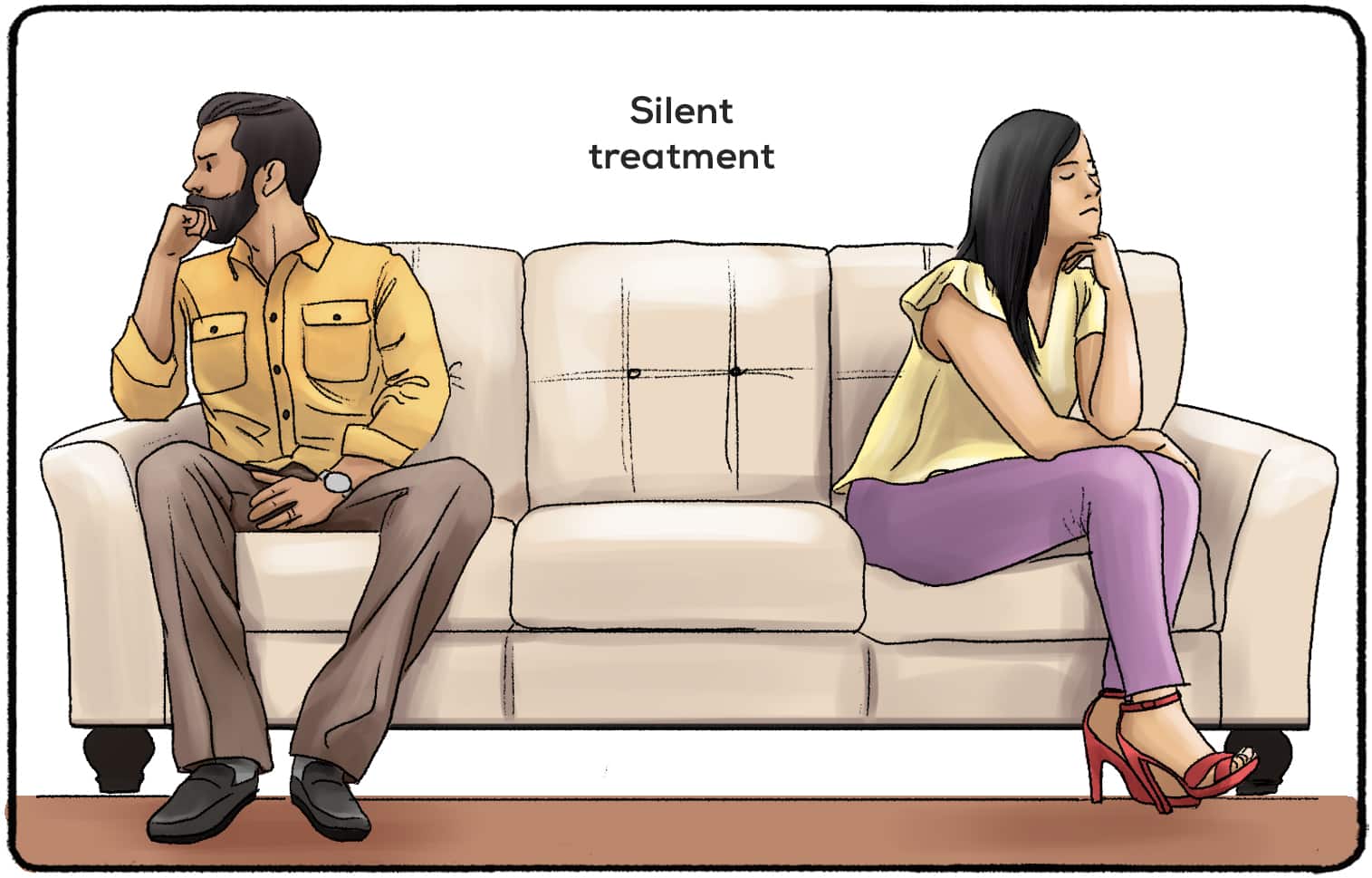
This is perhaps the most dangerous part of the 10% drop. It’s the censorship you do to yourself. When you see others getting "canceled," fired, or harassed for sharing a minority opinion, you learn to keep your mouth shut. You stop posting. You stop questioning.
Social media platforms have played a huge role here. Their moderation policies are often opaque and inconsistent. One day a topic is fine; the next, it’s a violation of "community standards." This unpredictability makes people play it safe. We’re losing the messy, vibrant, and often uncomfortable exchange of ideas that makes progress possible.
How to Push Back Against the Trend
Complaining about the state of the world doesn't change it. You have to be intentional. The UN isn't going to swoop in and save free speech; that's on us.
- Support Independent Media. Pay for a subscription. If a news outlet is free, you aren't the customer; you're the product. Independent outlets that don't rely on government ads or corporate whims are the only ones that can afford to be brave.
- Use Encryption. Stop making it easy for people to spy on you. Use Signal for messaging. Use a VPN. Treat your digital privacy like you treat your front door lock. If you don't value your privacy, you're making it easier for someone else to take your speech.
- Demand Legislative Reform. Watch out for bills that use vague language like "social harmony" or "digital sovereignty." These are usually code for censorship. Support organizations like the Electronic Frontier Foundation (EFF) or Article 19 that fight these laws in court.
- Protect Dissent. Even if you hate what someone is saying, defend their right to say it. The moment we agree that some speech should be banned because it’s "offensive," we give the people in power the permission to decide what qualifies as offensive. Today it's them; tomorrow it's you.
The 10% decline reported by the United Nations is a warning. It’s a signal that the tide is going out. Rights are not permanent fixtures of the universe. They are things we've won through centuries of struggle, and they can be lost in a single decade. Don't wait for the number to hit 20% before you decide to speak up. Use your voice while you still have one.