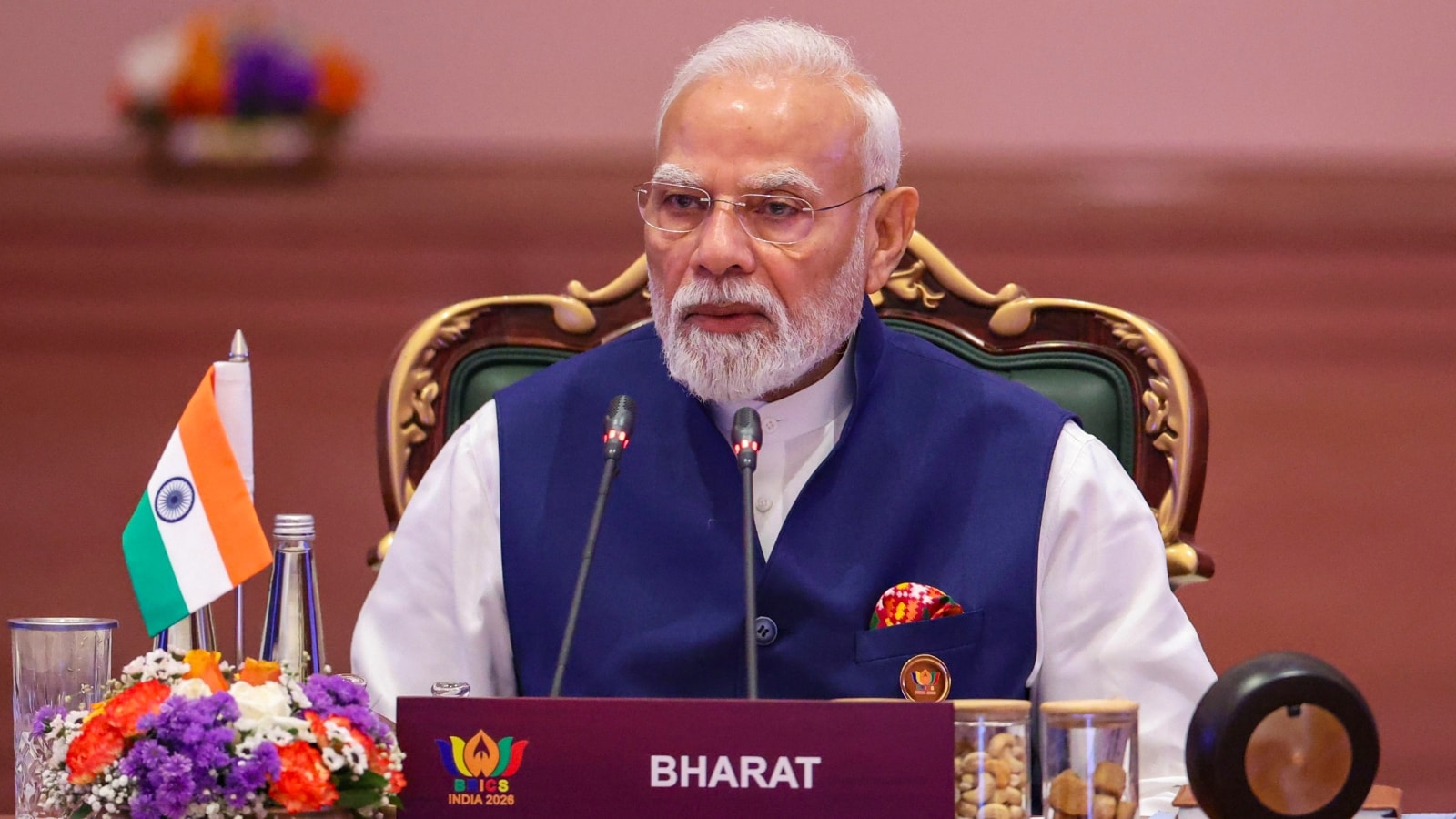
Twenty-five years in continuous elected office without a single electoral defeat is almost unheard of in modern democratic politics. Yet on October 7, 2026, Narendra Modi crossed that exact milestone, prompting heads of state from Washington to Tokyo to send public congratulatory messages.
Most coverage of this event reads like a dry press release. You'll see a list of names, a few polite diplomatic quotes, and a photo gallery of handshakes at past summits. That misses the real story entirely. When global leaders congratulate PM Modi on 25 years of continuous service, they aren't just being polite. They're signaling how heavily their own foreign policy agendas rely on political stability in New Delhi.
Let's break down what actually happened, who spoke up, and why this specific anniversary carries massive geopolitical weight right now.
How the 25-Year Milestone Actually Adds Up
People often get confused by the math here. Modi became Prime Minister of India in May 2014, which means he's been in the top national job for over twelve years. So where does the quarter-century figure come from?
It traces back to October 7, 2001. That was the day he first took the oath of office as the Chief Minister of Gujarat, a major industrial state in western India. He held that post through three consecutive state elections until May 2014, when he resigned to take over as Prime Minister after the Bharatiya Janata Party won a historic parliamentary majority.
Add those two chapters together. Thirteen years running a state government, followed directly by twelve years running the world's most populous country. Zero breaks in between. No time spent sitting on the opposition benches. No electoral losses at either the state or national level.
In democratic systems where leaders routinely get voted out after one or two terms due to anti-incumbency fatigue, that kind of uninterrupted run is a statistical anomaly. Foreign ministries notice things like this. Diplomats hate uncertainty, and dealing with the same decision-maker for over a decade—and watching him hit a 25-year mark in executive power—gives them a predictable partner.
What Global Leaders Actually Said and Why It Matters
When the milestone hit, messages poured in across social media platforms and official diplomatic channels. The tone wasn't just ceremonial. Look closely at the phrasing used by major world leaders, and you can see their strategic priorities shining right through.
Leaders from the Quad nations—the United States, Japan, and Australia—were among the quickest to acknowledge the anniversary. Their messages highlighted Indo-Pacific security, supply chain resilience, and shared democratic values. For Tokyo and Canberra, India isn't just a regional neighbor; it's the primary counterweight to Chinese influence in Asia. Praising Modi's longevity is their way of reinforcing trust in a long-term security partnership.
European leaders took a slightly different angle. Heads of government from France, Germany, and the United Kingdom focused heavily on trade, green energy transitions, and technology transfers. France, in particular, has spent years building deep defense and aerospace ties with New Delhi. When Paris applauds Modi's quarter-century in public office, it's protecting multi-billion-dollar defense contracts and joint manufacturing deals that span decades.
Then you have the Global South. Leaders across Africa, Southeast Asia, and the Middle East framed their congratulations around India's voice for developing nations. Remember India's G20 presidency back in 2023, which brought the African Union into the permanent bloc? Those countries haven't forgotten. Messages from leaders in the UAE, Saudi Arabia, and several African nations emphasized infrastructure investment, digital public infrastructure, and reliable partnerships that don't come with heavy political lectures.
Even neighbors in South Asia weighed in, though the dynamics there are always complicated. Messages from leaders in Bhutan, Nepal, and Sri Lanka reflected the reality of geography. Regardless of shifting political winds in smaller South Asian capitals, New Delhi remains the economic engine of the region.
The Photo Galleries Miss the Real Diplomatic Strategy
Competitor articles love to slap "In pics" in the headline and dump twenty archived photos of Modi hugging world leaders at G7 or BRICS summits. It gets clicks, sure. It also completely ignores the behind-the-scenes diplomacy that makes those photo ops possible.
I've watched Indian foreign policy evolve closely over the past two decades, and the biggest shift isn't the hugs—it's the abandonment of old ideological hesitation.
During his years as Gujarat Chief Minister, Modi treated foreign trips like corporate roadshows. He went to Japan, China, and Singapore to pitch Vibrant Gujarat, cutting red tape to bring manufacturing plants to his state. When he moved to New Delhi in 2014, he scaled that exact playbook to the national level.
Think about what that means for a foreign leader. Instead of dealing with slow-moving bureaucratic ministries where files disappear for years, global leaders found an executive who operated with a direct, centralized style. Whether you agree with his domestic policies or not, foreign governments know where the buck stops in India.
That's why the congratulatory messages kept mentioning "decisive leadership" and "clear vision." In diplomacy, those phrases are code for we know who is in charge, and we know deals signed today won't be scrapped tomorrow.
Misconceptions About India's Global Standing
Whenever a milestone like this trends online, commentary tends to split into two extreme camps. Both get it wrong.
The first camp treats these global congratulations as proof that every country blindly endorses everything happening inside India. That's naive. International relations run on national interest, not personal friendship. Western capitals still push back against India on plenty of issues, from Russian oil imports to agricultural tariffs at the World Trade Organization. Congratulating a leader on 25 years in office doesn't mean disagreements vanish overnight.
The second camp dismisses the messages as meaningless diplomatic fluff. Also wrong. Leaders don't casually praise a foreign head of government's domestic political longevity unless they want to signal stability to their own business communities and defense establishments. When the White House or Downing Street publicly marks an Indian domestic milestone, it tells global investors that bilateral ties are insulated from short-term shocks.
What This Means for India's Next Five Years
Crossing the 25-year mark changes the political calculus in New Delhi, especially with Modi currently serving his third term as Prime Minister after the 2024 general elections.
In a coalition government—where the BJP relies on regional allies like the Telugu Desam Party and Janata Dal (United) to maintain a parliamentary majority—questions inevitably arise about whether India's bold foreign policy might slow down. Coalitions historically force Indian prime ministers to spend more energy managing domestic allies and less time jetting off to international summits.
So far, that hasn't happened. By leaning into this 25-year milestone, Modi's team is projecting uninterrupted continuity both at home and abroad.
Here is what you should watch closely over the coming months as a direct result of this diplomatic momentum:
- Trade deal deadlines: Negotiations with the European Union and the United Kingdom have dragged on for years. Expect renewed pressure from Brussels and London to lock in agreements while New Delhi's leadership remains familiar and predictable.
- Defense manufacturing shifts: Watch for more joint ventures rather than off-the-shelf weapons purchases. Global defense contractors are increasingly willing to transfer sensitive technology to India because they view the political environment as stable through the end of the decade.
- Global South leadership: India will continue positioning itself as the bridge between Western powers and developing nations, particularly on artificial intelligence regulation, climate finance, and debt restructuring.
How to Read Diplomatic Milestones Like an Analyst
Next time you see headlines about world leaders praising a head of state, don't stop at the photo gallery. Look past the ceremonial language and track the real indicators of influence.
Check who sent the message first, and look at the exact titles used. A personal post from a president or prime minister carries far more weight than a routine note from a foreign ministry spokesperson. Pay attention to the specific sectors mentioned in those statements—whether it's semiconductors, clean energy, or maritime security, those keywords tell you exactly what deals are currently sitting on the negotiating table.
Political longevity on this scale is rare in any democracy. Twenty-five years without an electoral loss has turned Narendra Modi into one of the longest-serving democratic leaders on the world stage today, and global capitals are adjusting their long-term strategies accordingly.