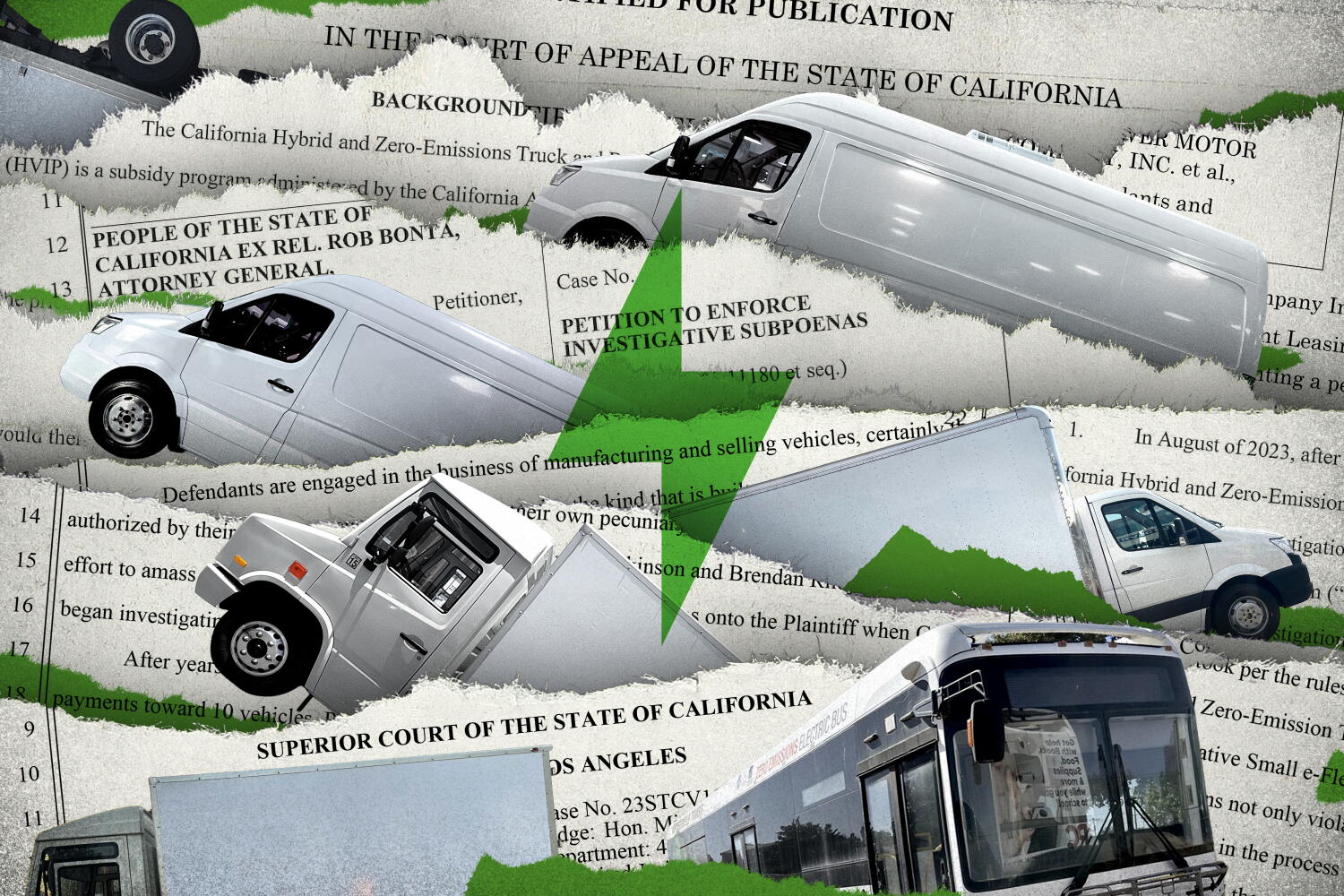
The rain in the city always smells like hot copper and wet asphalt, especially around four in the afternoon when the platforms heave. You stand there, gripping the rubberized strap overhead, watching the fluorescent lights flicker against the grime of the station wall. To anyone else, it is just a commute. A mechanical conveyor belt moving bodies from the gray suburbs to the glass towers downtown.
But if you look closer—really look at the cracked concrete, the rusted structural beams weeping orange water, the sudden, unexplained delays that leave thousands stranded in the dark—you begin to realize that the machinery holding our daily lives together is running on borrowed time.
Clean transit is a promise we make to the future. It is the quiet hum of electric buses gliding past park benches, the sleek curve of modern railcars cutting down carbon emissions, the collective sigh of relief as a city chooses a greener path. Billions flow into these green initiatives. Politicians cut ribbons. Press releases boast of modern fleets and zero-emission goals.
Yet, beneath the polished veneer of progress, something is rotting.
Consider Marcus, a fictional composite of the thousands of mechanics, inspectors, and frontline workers who keep our transit systems breathing. Marcus spends his nights in subterranean yards where the air is thick with ozone and diesel exhaust. He carries a heavy metal clipboard and a flashlight that flickers when the damp gets into the casing. His job is simple on paper: check the brakes, test the sensors, log the wear and tear.
His reality is entirely different.
When budgets are slashed or diverted into flashy marketing campaigns for new tech, the maintenance sheds are the first to feel the pinch. Marcus knows that the bolts on the track switches are loosening months before they should. He knows that the diagnostic software on the newer electric fleets throws phantom errors, forcing crews to guess whether a warning light is a minor glitch or a catastrophic failure waiting to happen.
The public sees the new paint. Marcus sees the missing grease.
This disconnect is where poor oversight becomes a public hazard. When transit agencies prioritize expansion over maintenance, they build a house of cards on top of a transit network. Clean energy does not protect passengers from deferred maintenance. A zero-emission bus still needs functional brakes, and a state-of-the-art rail line still needs inspectors who have the time and resources to do their jobs without rushing against arbitrary corporate deadlines.
Transparency in these systems is often treated as an afterthought. Annual reports are thick with jargon, burying deficit numbers and delayed safety audits beneath colorful pie charts and smiling stock photographs of commuters. Accountability dissolves into a game of bureaucratic hot potato. The city blames the transit authority, the authority blames the private contractors, and the contractors blame supply chain issues.
Meanwhile, the train arrives late. The brakes squeal, a high-pitched metal shriek that sets teeth on edge.
We have to ask ourselves what we are actually paying for when we fund public transit. Are we paying for the illusion of sustainability, or are we investing in the enduring safety of our communities? True environmental stewardship cannot exist in a vacuum of neglect. If we want people to leave their cars behind and embrace public mobility, that mobility must be trustworthy down to its smallest, most invisible bolt.
The solution does not lie in more press conferences or another glossy brochure about future innovations. It begins in the dark, damp tunnels where the real work happens. It requires empowering the inspectors, fully funding the unglamorous upkeep of tracks and electrical grids, and demanding radical honesty from the agencies in charge.
Next time you swipe your card and step onto a quiet, eco-friendly train, listen for a moment beneath the hum of the electric engine. Listen for the creak of the metal, the rhythm of the wheels against the rail, and the human effort standing guard between order and chaos.
We owe them better than a coat of green paint over a crumbling foundation.