Chancellor Friedrich Merz entered office promising to shrink the Alternative for Germany to a fringe footnote. Instead, support for the far-right party has doubled under his watch, culminating in regional polls showing the AfD commanding over forty percent of the vote in states like Saxony-Anhalt. Far from serving as an effective bulwark against extremism, Merz has become the primary political asset for the very movement he vowed to crush.
To understand how Europe's premier economic engine arrived at this precipice, one must look past the superficial theatre of Berlin politics and examine the structural disconnect between the federal government and an electorate exhausted by stagnation. Merz built his political identity on a platform of traditional fiscal conservatism, structural welfare tightening, and promises of high-octane economic renewal. Yet, his prescription for Europe's largest economy has missed the mark entirely. While German industrial heavyweights grapple with cheap Chinese imports, aggressive American protectionism, and crippling domestic energy expenses, the Chancellor’s policy announcements have remained fixated on tax tweaks and administrative adjustments that offer zero immediate relief to working-class households.
The political fallout is visible in the numbers. National surveys place public dissatisfaction with Merz at unprecedented heights, with recent tracking data indicating that roughly eighty-five percent of voters view his performance unfavourably. This vacuum of trust has directly fed the AfD's expansion. The insurgent party has successfully positioned itself as the sole vehicle for anti-establishment fury, broadening its platform from Euroskepticism and border control into a wider campaign against cultural shifts, climate mandates, and institutional oversight.
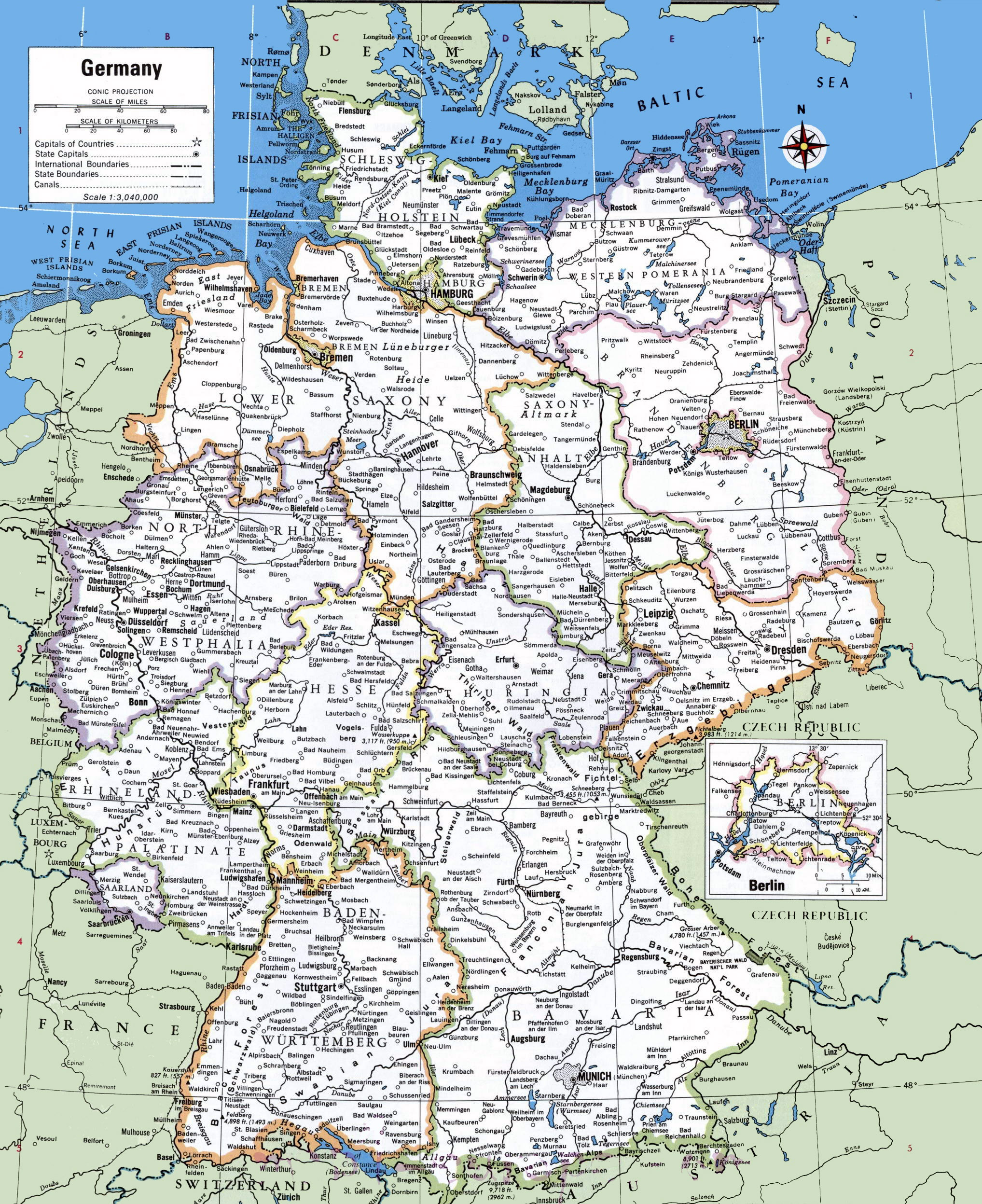
Local electoral dynamics in eastern Germany reveal the true fragility of the mainstream strategy. As regional campaigns reach a boiling point, local Christian Democratic incumbents are actively keeping the Chancellor away from campaign trails. Merz's brief, tightly managed appearances in eastern strongholds contrast sharply with the expansive, unscripted rallies of his opponents. When a national leader becomes such a toxic brand that local candidates must treat him as a political liability, the governing coalition loses its mandate to govern effectively.
Behind closed doors, the debate over the traditional isolation policy—the so-called firewall keeping the AfD out of any governing coalitions—is growing increasingly frayed. Established parties insist that the barrier must hold, arguing that any concession to the far right normalizes extremist elements. Critics inside and outside the conservative bloc, however, argue that treating a party with tens of millions of sympathizers as an untouchable pariah only validates the AfD narrative of systemic exclusion and elite detachment.
The economic implications of this political polarization extend far beyond Berlin's parliamentary district. Foreign investors watching the unfolding regional contests are beginning to re-evaluate the stability of Germany's political framework. Industrial planning requires long-term predictability. When state legislatures face the prospect of paralysis or extreme legislative shifts, capital looks elsewhere. The upcoming investment summits aimed at securing trillions in private capital face a steep uphill battle when domestic stability appears constantly under threat.
Merz remains boxed in by his own historical rhetoric. Having staked his reputation on defeating the far right through pure deterrence, backing down now would mean acknowledging structural failure. Yet pressing forward with an unpopular agenda while public support evaporates threatens to fracture his delicate coalition with the Social Democrats beyond repair.
The countdown to federal realignment has already begun, and the established political class is running out of institutional tools to reverse the momentum.
Investors Will Think Twice Over AfD Election Surge in Germany
This video provides direct context regarding how the recent electoral surge in eastern Germany is threatening business confidence and foreign investment.
http://googleusercontent.com/youtube_content/1