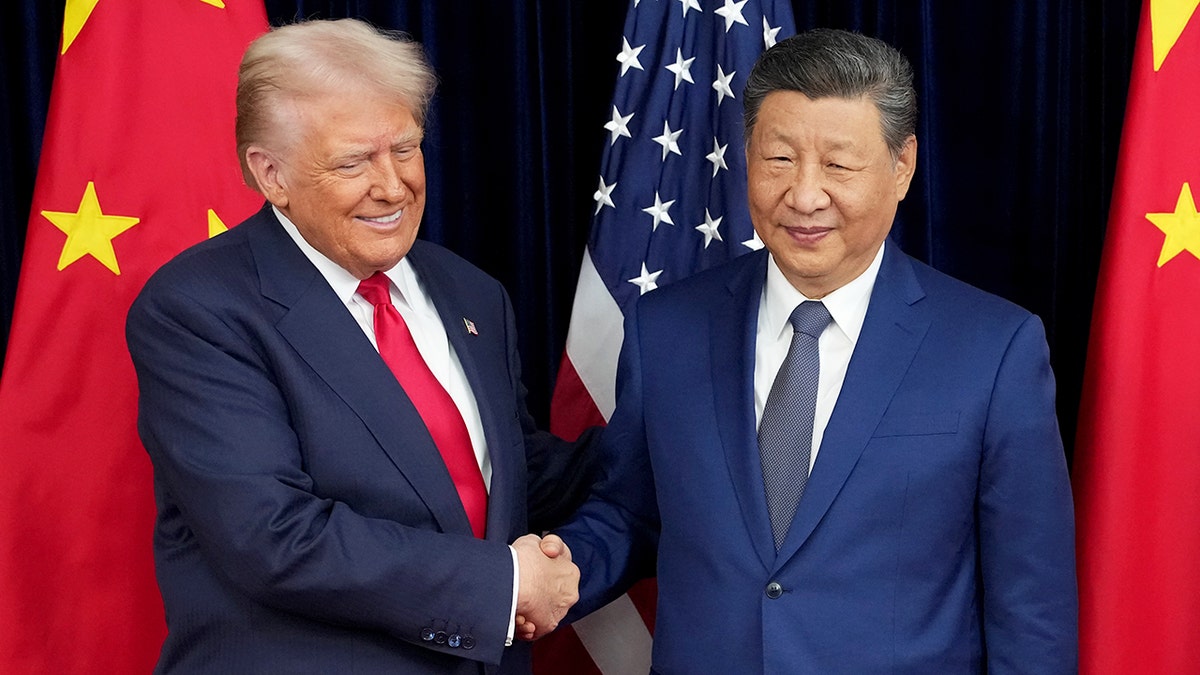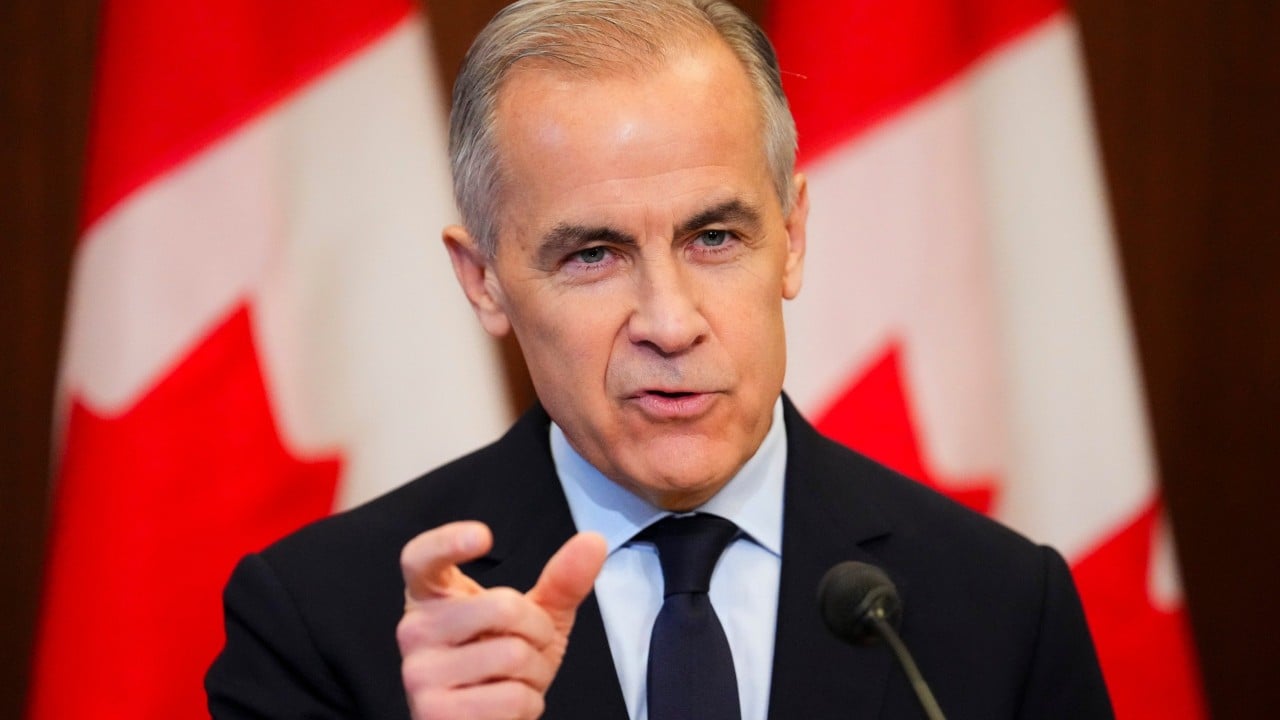
The strategic architecture of Canadian energy export infrastructure is undergoing a structural realignment. The signing of the May 15, 2026, Implementation Agreement between Canadian Prime Minister Mark Carney and Alberta Premier Danielle Smith formalizes a coordinated policy maneuver to construct a greenfield west coast oil pipeline capable of transporting over 1,000,000 barrels per day (bpd) of crude directly to tidewater. This initiative is designed to solve a fundamental structural vulnerability: Canada’s 90% macroeconomic reliance on the United States as its primary monopsony purchaser of crude oil.
By establishing an institutional framework to bypass the United States, Ottawa and Edmonton are attempting to re-index Western Canadian Select (WCS) pricing against international benchmarks like Dubai and Oman crude, rather than the perpetually discounted Western Texas Intermediate (WTI) mix. The viability of this capital-intensive pipeline deployment depends on two integrated mechanisms: the optimization of cross-jurisdictional industrial carbon pricing and the technical mitigation of maritime logistics constraints along the Pacific coast.
The Industrial Carbon Pricing Trade-off and Corporate Capital Expenditure
The structural foundation of the bilateral agreement is a negotiated modification of Canada’s industrial carbon pricing regime. This macro-fiscal adjustment directly influences the Internal Rate of Return (IRR) for upstream oil sands operators, releasing capital necessary for downstream logistics commitments.
The Fiscal Optimization Framework
Under the previous federal policy trajectory, the industrial carbon price was mandated to accelerate aggressively, compounding the compliance liabilities of heavy oil extractors. The revised framework establishes a decoupled, predictable escalation curve that limits mid-term liabilities:
- 2026 Baseline Pricing: Fixed at CAN$95 per tonne of CO2 equivalent ($70.20 USD).
- 2027–2030 Stabilization: Capped at CAN$100 per tonne, completely removing the previously projected trajectory that aimed for CAN$170 per tonne by 2030.
- 2035–2040 Horizon: Gradual indexing to reach CAN$130 per tonne by 2035, followed by a fixed annual escalation of 1.5% through 2040.
[Upstream Compliance Savings (~$250B to 2050)]
                    │
                    ▼
[Retained Corporate Free Cash Flow (FCF)]
                    │
                    ▼
[Long-Term Offtake Commitments (Take-or-Pay Agreements)]
                    │
                    ▼
[Project Financing and Debt Service Coverage Ratio (DSCR) Optimization]
This structural regulatory rollback yields an estimated CAN$250 billion in cumulative compliance cost savings for upstream producers over the next two decades to 2050. Within the context of oil sands corporate finance, this structural cost reduction operates as a capital protection mechanism. By lowering the operating expense (OpEx) floor per barrel of bitumen extracted, the state artificially preserves corporate Free Cash Flow (FCF).
Producers require this structural cash cushion to enter into high-volume, long-term take-or-pay transportation agreements with a future pipeline operator. Without these 20-to-25-year commitments from major producers, the debt financing required to build a 1,000,000 bpd asset cannot achieve institutional syndication.
Route Logistics and Maritime Economies of Scale
The commercial justification for a second major Pacific-directed pipeline—following the 2024 commissioning of the 890,000 bpd Trans Mountain Pipeline Expansion (TMX)—lies entirely in the physics and economics of ocean transport. The technical limitations of southern British Columbia marine terminals dictate a shift toward northern routes.
The Southern Maritime Bottleneck
The TMX terminal in Burnaby terminates within a highly congested, restrictive inland waterway. The geography of the Burrard Inlet limits marine access exclusively to Aframax-class vessels, which possess a maximum deadweight tonnage (DWT) capacity of roughly 80,000 to 120,000 tonnes.
Aframax tankers are structurally incapable of matching the unit economics of Very Large Crude Carriers (VLCCs), which carry up to 2,000,000 barrels of oil per voyage. This incapacity creates a permanent arbitrage penalty. Shipping crude to Asia via an Aframax vessel increases the per-barrel freight cost relative to Gulf Coast or Middle Eastern competitors who utilize VLCC supertankers.
The Northern Route Assessment Matrix
To bypass the southern bottleneck, the Alberta government is acting as the initial project proponent, evaluating three northern pipeline corridors terminating in northern British Columbia. The preferred technical solution involves routing infrastructure to the Port of Prince Rupert, specifically utilizing deep-water terminals like the Ridley Island complex.
| Route Alternative | Infrastructure Requirements | Maritime Logistical Advantage | Key Political & Geological Risk |
|---|---|---|---|
| Prince Rupert Corridor | Greenfield pipeline crossing Rocky/Coast Mountains to Ridley Island terminal. | Uncongested deep-water access capable of docking fully loaded VLCCs. | Absolute opposition from the British Columbia provincial cabinet; complex First Nations unceded territory crossings. |
| Far-Northern Coastal Terminal | Extension through remote northwestern BC terrain to alternative deep-water fjords. | Direct Great Circle shipping routes to East Asian hubs (Japan/South Korea). | Extreme capital expenditures due to rugged terrain; lack of existing utility and road corridors. |
| Southern Parallel Routing | Twinning existing infrastructure corridors toward the Vancouver/Roberts Bank perimeter. | Pre-disturbed right-of-way simplifies environmental assessment timelines. | Urban expropriation bottlenecks; high agricultural land displacement costs; persistent Aframax limits unless massive offshore berths are engineered. |
The northern route’s capacity to load VLCCs fundamentally reconfigures Pacific shipping economics. A VLCC departing Prince Rupert can reach East Asian markets (Tokyo, Shanghai, Seoul) in approximately 10 to 12 days, compared to a 20-day voyage from the US Gulf Coast or a 15-day transit from the Middle East through the highly vulnerable Strait of Hormuz chokepoint. This geographic proximity yields a structural discount on marine insurance and fuel consumption, improving the netback price at the Alberta wellhead.
The Strategic Timelines and Institutional Gatekeeping
The execution of this asset is governed by a compressed regulatory and legislative sequence managed under the federal Building Canada Act. The timeline minimizes the multi-year bureaucratic delays that historically caused TMX construction costs to balloon beyond CAN$30 billion.
July 1, 2026: Comprehensive Project Application Submitted by Alberta to Federal MPO
                    │
                    ▼
October 1, 2026: Project Designated "In the National Interest" under Building Canada Act
                    │
                    ▼
October 2026 – August 2027: Dual-Track Environmental Reviews & Indigenous Consultation
                    │
                    ▼
September 1, 2027: Scheduled Target for Initial Groundbreaking and Construction Commitments
This expedited regulatory pathway relies on a dual-track parallel review process. In April 2026, Ottawa and Alberta signed a Cooperation Agreement on Environmental and Impact Assessment. This agreement enforces a "one project, one review" principle, preventing the provincial and federal environmental agencies from running sequential, overlapping hearings that duplicate legal exposure.
Critical Capital Risks and Structural Vulnerabilities
Despite the legislative optimization executed by the Carney and Smith administrations, the project faces systemic headwinds that threaten its execution and financial viability.
The Legal Vulnerability of Constitutional Consultations
Section 35 of the Canadian Constitution requires deep, meaningful consultation and accommodation of Indigenous Peoples before any industrial project can receive binding regulatory clearance. While the implementation framework prioritizes an "Indigenous co-owned" equity model to align sovereign economic interests, several First Nations coalitions along the northern British Columbia coast have declared absolute opposition to new bitumen corridors.
The legal risk is binary: if a single First Nation demonstrates in the Federal Court of Appeal that the Crown's consultation process failed to adequately assess impacts on unceded territorial rights or traditional marine harvesting waters, the court possesses the authority to quash the federal Order in Council. This would instantly halt construction mid-cycle, replicating the legal gridlock that stalled Northern Gateway and TMX in the previous decade.
The Absence of a Private Corporate Proponent
A glaring structural deficit in the current framework is that the Government of Alberta is acting as the primary applicant. State agencies possess neither the balance sheets nor the operational core competencies to construct and operate a multi-billion-dollar midstream asset. The state's strategy is to clear the regulatory hurdles to de-risk the asset, then auction the permitted corridor to a private midstream consortium (e.g., Enbridge, TC Energy, or international infrastructure funds).
However, international infrastructure capital has grown highly sensitive to Canadian regulatory volatility. If private capital demands a risk premium that drives the cost of capital above historical norms, the pipeline tariffs required to service that debt will rise. If tariffs become too expensive, the per-barrel transport cost will erase the Western Canadian Select-to-Asia price advantage, undermining the original economic thesis.
The Strategic Recommendation
The project must not proceed as a simple merchant pipeline asset. To protect public capital and secure private sector participation, the Alberta and federal governments must immediately deploy a Tri-Sector Sovereign Wealth Framework.
First, the state must transition its role from project applicant to a minority equity partner alongside an Indigenous Equity Consortium comprising all willing First Nations along the final chosen route. This equity slice must be fully financed via federal loan guarantees to ensure zero upfront capital requirements for the participating Nations, establishing a durable economic shield against litigation.
Second, the federal government must issue an immediate, statutory exemption to the West Coast Tanker Ban (Oil Tanker Moratorium Act) specifically for the Prince Rupert port perimeter, tied directly to the deployment of mandatory dual-fuel tug escorts and permanent radar-monitored navigation corridors.
Finally, the midstream asset must be structured with mandatory 20-year take-or-pay volume commitments from anchor oil sands producers before the final transfer of the permits to a private operator. This structure insulates the project's Debt Service Coverage Ratio (DSCR) from short-term global crude volatility and guarantees that the Canadian state does not inherit a stranded fiscal liability if global energy transition curves accelerate past current baseline assumptions.