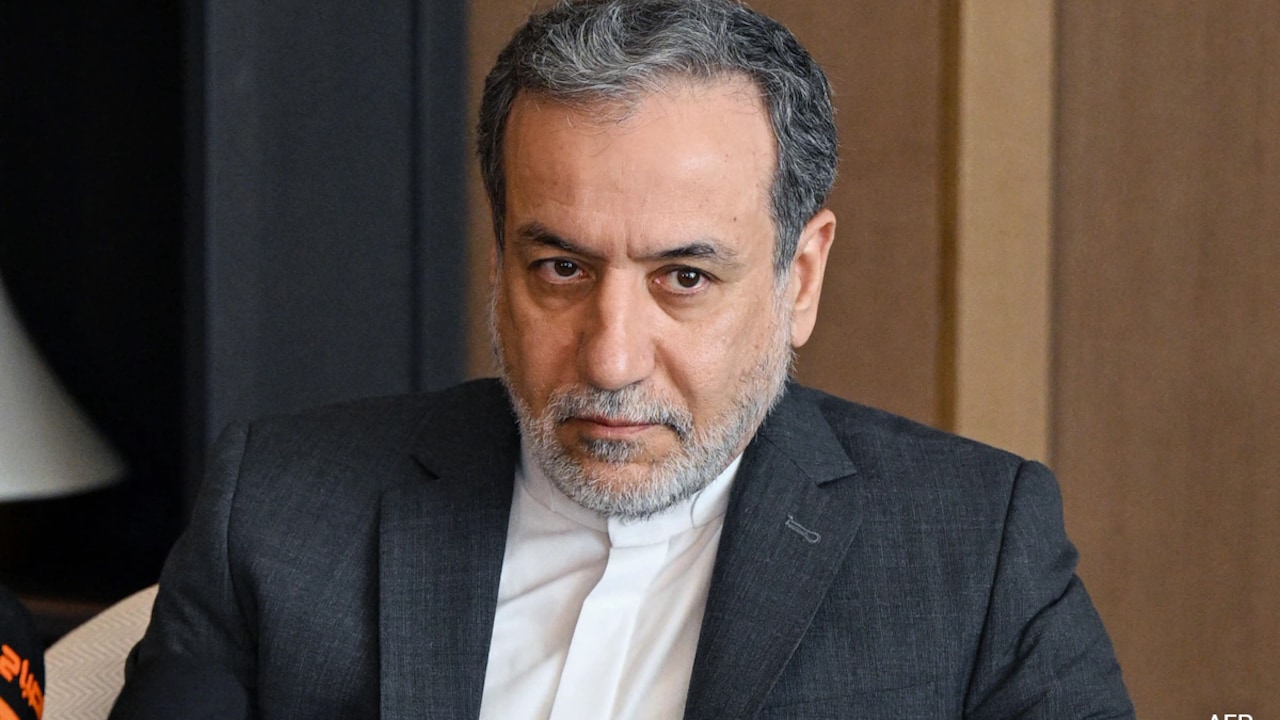
The recent kinetic engagement in the Caspian Sea involving a Ukrainian strike on an Iranian vessel functions as a shift in the operational theater of the Russia-Ukraine conflict. By targeting logistics chains deep within the Caspian, Kyiv has moved beyond static front-line defense, forcing Iran to shift from a position of clandestine material supplier to an active, aggrieved party in a high-stakes maritime confrontation.
The Logistics Interdiction Model
The strategic logic behind the strike rests on a classic interdiction framework: disrupting the "flow function" of military assistance. Iran’s role in the conflict has historically centered on the provision of loitering munitions and technical guidance to the Russian military. From an intelligence perspective, vessels operating in the Caspian serve as the connective tissue for this support.
When a state identifies a supply vessel as a combatant asset, the vessel loses its protection as a "commercial" entity under international maritime norms. Ukraine’s operational intent here is the compression of supply chains. By increasing the cost of transport—through the threat of kinetic destruction—Kyiv forces Moscow and Tehran to evaluate alternative, likely more expensive or less efficient, logistics routes.
The Tripartite Legal Framework
Tehran’s response—labeling the strike a "blatant violation of the UN Charter"—relies on a narrow interpretation of sovereignty. However, the legal reality is multi-layered:
- Status of Neutrality: Under international humanitarian law, a state does not automatically become a party to an armed conflict simply by supplying arms. However, the threshold for "co-belligerency" is reached when a supplier exercises operational control or provides active targeting assistance.
- Combatant Status of Commercial Vessels: Any ship utilized for the transport of military cargo effectively functions as an auxiliary naval unit. Targeting such a ship within a conflict zone is permitted under established principles of maritime warfare, provided the intelligence confirms its military function.
- State Responsibility: Articles on State Responsibility (ILC 2001) dictate that states are responsible for their conduct in international affairs. If Iran is facilitating the Russian war effort, it creates a dual-risk environment where its assets are legally vulnerable to countermeasures.
Mechanisms of Escalation
The rhetoric coming from Tehran serves a dual purpose: domestic signaling and international positioning. By framing the strike as being done at the "behest" of a third party, Iran attempts to redirect the narrative away from its own role in the Russia-Ukraine theater. This is a common defensive posture designed to complicate the diplomatic calculus for Western capitals, specifically the European Union.
This creates a high-pressure feedback loop:
- The Signaling Phase: Tehran issues condemnations to establish a pretext for future kinetic response.
- The Intelligence Phase: Both sides increase surveillance over the Caspian, effectively militarizing a body of water that had previously enjoyed a level of relative stability.
- The Retaliatory Phase: Iran moves to test the boundaries of "proportionality." If a direct military response is deemed too costly, Iran likely shifts to unconventional means—accelerating support for its regional proxies or increasing intelligence sharing with Moscow to target Ukrainian logistics hubs.
Strategic Operational Risks
The primary failure of standard diplomatic analysis is the assumption that actors will act to maintain status quo stability. In this environment, the "cost function" of escalation has been inverted. For Tehran, the loss of a vessel is not merely a material setback; it is a reputational blow that demands a symbolic, if not material, correction to maintain deterrence.
Ukraine, meanwhile, operates under a different incentive structure: the totalization of the war effort. The decision to strike targets outside of the immediate Ukrainian geographical border reflects an acknowledgment that the war is being won or lost in the logistics nodes of supplier nations.
The immediate requirement for stakeholders is to track the shift in movement patterns within the Caspian. If cargo vessels begin operating with naval escorts, the risk of miscalculation increases exponentially. Any direct encounter between Iranian naval assets and Ukrainian drone operators would effectively collapse the existing, fragile boundaries of the conflict, transitioning it into a multi-regional confrontation where the original theater of operations becomes merely one component of a wider engagement.
Tactical Action
To mitigate the risk of wider regional instability, observers should monitor two specific indicators: the frequency of commercial vessel transit through key chokepoints and the deployment of Iranian long-range reconnaissance assets in the Caspian sector. If these assets begin operating in a patrol capacity rather than a cargo-support capacity, the probability of an overt naval engagement increases. Neutral third parties should prioritize the establishment of a maritime de-confliction channel to prevent automated engagement systems from reacting to non-hostile commercial traffic.


