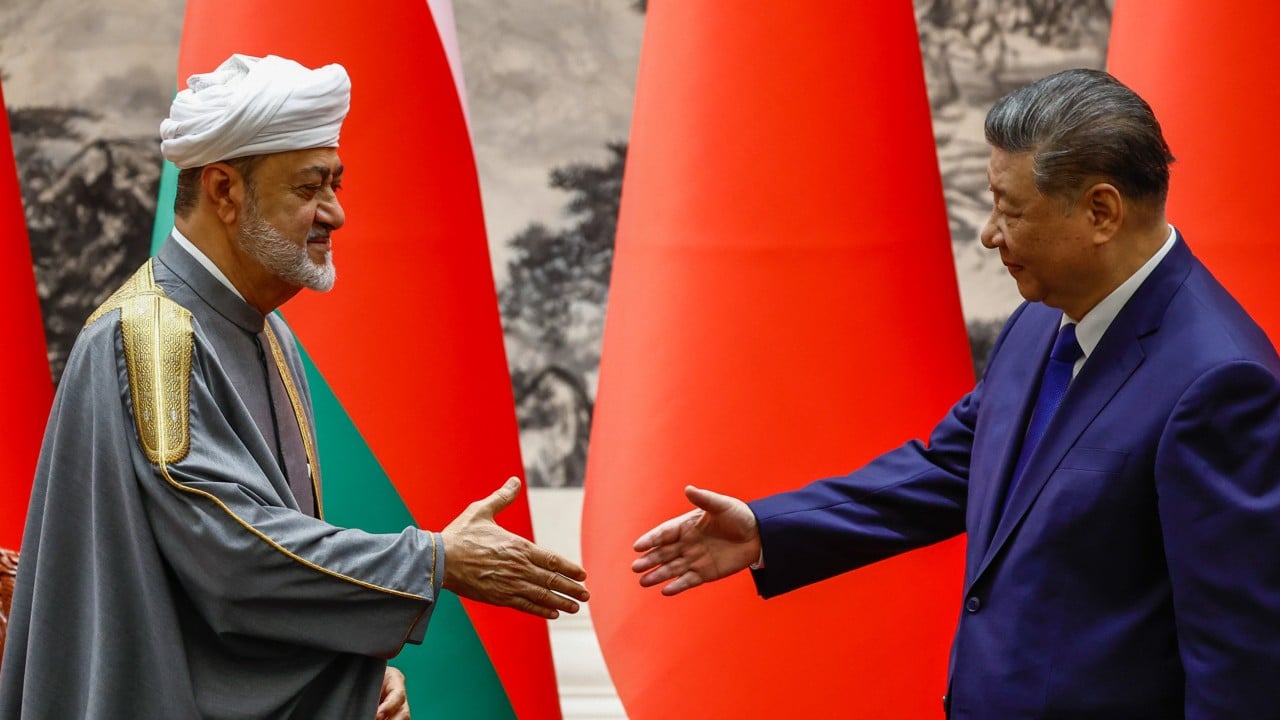
When Indian Union Minister Kiren Rijiju met Bhutanese Prime Minister Tshering Tobgay in Gelephu on November 1, 2026, the optics looked almost effortless. Two leaders standing together on Bhutan's southern plains. A warm diplomatic tone. Talk of shared spiritual roots and big economic possibilities.
Don't mistake a friendly meeting for routine diplomatic boilerplate. Something much bigger is moving in southern Bhutan, and it's forcing both New Delhi and Thimphu to rethink how a landlocked Himalayan kingdom connects to South and Southeast Asia.
At the center of that shift is Gelephu Mindfulness City. If you've only seen wire-service summaries of Kiren Rijiju's visit, you probably got a neat little recap: Rijiju called on Tobgay, praised the city's potential for both countries, and noted progress on cross-border rail links. True enough. Yet that brief summary leaves out the mechanics, the geography, the timing, and the real friction points that will decide whether Gelephu becomes an economic bridge or an expensive dream.
Why Kiren Rijiju and Tshering Tobgay Met at This Exact Moment
Timing matters in diplomacy, and November 1, 2026 wasn't a random date on the calendar. Bhutan staged a massive consecration of 108 Buddhist stupas—Jangchub Chortens—in nine hours along the Mao River in Gelephu, drawing huge crowds and tying the city's spiritual foundation directly to its economic blueprint. Rijiju represented India at the event, alongside the Bhutanese monarch, and unveiled a plaque dedicating one stupa to Indian Prime Minister Narendra Modi.
Prime Minister Tshering Tobgay even personally drove Rijiju to the ceremony. Look closely at that gesture. Personal hospitality isn't just about good manners; it signals urgency. Bhutan has spent years trying to solve a stubborn structural problem: youth unemployment, brain drain, and an economy heavily reliant on hydropower and tourism. Gelephu Mindfulness City is Bhutan's answer to that bottleneck, and it cannot succeed on paper without Indian connectivity and market access.
For India, the stakes are equally concrete. Northeast India has historically felt geographically tucked away from the rest of the country's industrial corridors. Linking Assam and West Bengal directly into southern Bhutan's trade and transit arteries isn't charity—it's smart regional integration that helps India's Northeast breathe a little easier.
What Gelephu Mindfulness City Actually Is Beyond the Buzzwords
"Mindfulness city" sounds like a wellness retreat with a gift shop. Honestly, if that's all it were, serious investors and policymakers wouldn't be spending this much energy on it.
Announced by King Jigme Khesar Namgyel Wangchuck in December 2023 and formalized by Royal Charter in February 2024, Gelephu Mindfulness City is a Special Administrative Region in Bhutan's Sarpang District. It sits on Bhutan's southern plains where the Himalayan foothills meet the Brahmaputra basin, right across from Assam. While most of Bhutan is steep mountain terrain, Gelephu offers wide, flatter land—prime real estate for physical infrastructure, logistics, and cross-border movement.
Unlike traditional Bhutanese governance, GMC operates with significant autonomy under its Royal Charter, with its own corporate registration, financial oversight, and legal framework rooted in common law principles. Its stated ambition blends low-density ecological planning, Bhutanese values, and commercial dynamism across sectors like green energy, finance, digital assets, wellness, education, and aviation.
Still, let's be candid: grand visions are cheap. Turning a Special Administrative Region into a functioning hub that creates tens of thousands of jobs takes years of grinding execution, regulatory clarity, and hard infrastructure.
Cross-Border Rail Links and Border Upgrades Carry the Real Weight
Speeches about friendship don't move freight. Steel rails and immigration gates do.
When Rijiju and Tobgay discussed connectivity during the November 2026 visit, they were pointing to tangible pieces of cross-border infrastructure—chief among them the Kokrajhar–Gelephu and Samtse–Banarhat rail links. India has backed these first-ever cross-border railway connections between the two nations, designed to link Bhutanese towns directly into India's vast railway network.
Think about what that changes on the ground:
- Faster trade routes: Goods moving between southern Bhutan, Assam, West Bengal, and wider Indian markets won't have to rely solely on slower road bottlenecks.
- Market reach: Bhutan does roughly 80% of its trade with India. Better rail and border access lowers transaction costs and opens smoother pathways to Indian ports and inland waterways.
- People movement: Just ahead of the November stupa ceremony, a new pedestrian immigration terminal with biometric e-gates opened at the Gelephu border crossing to speed up eligible Indian and Bhutanese travelers.
That's the practical core of what Rijiju meant by "immense potential". Not a vague slogan, but a physical grid stitching two neighboring economies closer together.
Where the Optimism Could Hit Real-World Snags
If you've watched mega-projects across South Asia over the last two decades, you know enthusiasm always runs ahead of timelines. A balanced look has to flag what could go wrong.
First, execution timelines stretch. Rail lines in hilly or flood-prone river basins face land acquisition, monsoon weather, engineering hurdles, and supply-chain delays. Even with clear political backing, multi-year infrastructure projects rarely move in a straight line.
Second, balancing "mindfulness" with commerce is tricky. A special economic zone wants fast permits, competitive tax rules, and investor confidence. A mindfulness city wants ecological restraint, cultural preservation, and low-density living. Those goals can reinforce each other in theory, yet clash in practice when land use, construction footprints, or environmental limits are tested.
Third, climate and river risks aren't abstract. The region sits near major river systems and glacial-fed watersheds, where extreme weather or sudden water surges can disrupt roads, farmland, and border infrastructure. Building resiliently costs more upfront, and cutting corners there would be a mistake.
None of these challenges makes Gelephu Mindfulness City a bad bet. They just mean observers should judge it by milestones—completed tracks, working terminals, real businesses hiring local workers—rather than press releases.
Practical Next Steps for Following or Engaging With GMC
Whether you're tracking South Asian geopolitics, researching regional trade, or evaluating business opportunities in the region, don't rely on secondhand summaries. Track the primary milestones directly:
- Follow official GMC and bilateral releases: Check Gelephu Mindfulness City for regulatory updates, sector roadmaps, and institutional milestones, alongside briefings from India's Ministry of External Affairs on cross-border rail and transit projects.
- Watch infrastructure markers, not just summits: Look for concrete progress on the Kokrajhar–Gelephu and Samtse–Banarhat alignments, border gate throughput, and Gelephu airport construction—those are the clearest gauges of momentum.
- Separate promotional hype from verified rules: If you're looking at commercial or legal angles inside the Special Administrative Region, review the enacted charters, commercial statutes, and licensing bodies directly rather than assuming rules match standard domestic frameworks.
Watch how the rails, border crossings, and regulatory rules line up over the next few years—because that's where Gelephu's real story will be written.