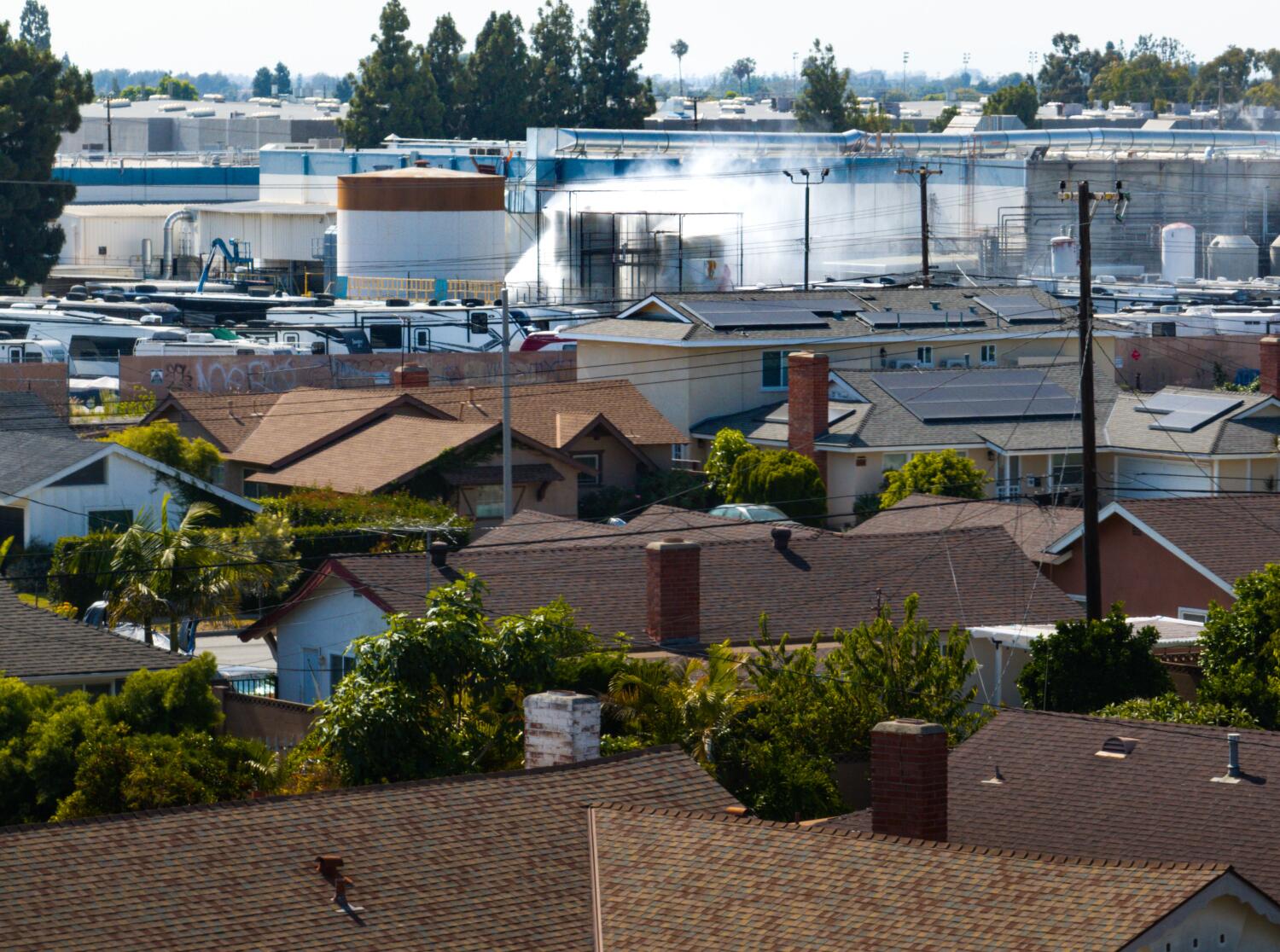
When toxic chemicals force you out of your home, money talks. But does a massive payout actually fix the damage?
A Garden Grove aerospace firm just agreed to pay up to $100 million to residents who had to evacuate following a severe chemical leak. That number is staggering. It sounds like justice wrapped in a neat corporate bow. Yet, if you dig past the headlines, you realize writing a check doesn't erase the chaos of running for your life in the middle of the night.
I have tracked corporate environmental disasters long enough to know that big settlements rarely tell the whole story. You hear about the headline figure and assume everyone gets rich. They do not. Legal fees, medical bills, and tier-based payout structures eat away at that pool fast. If you live near an industrial zone, this case serves as a massive wake-up call. You need to know how these settlements actually work, what rights you have when factories leak hazardous materials, and why trusting the company to do the right thing is a dangerous game.
The Reality Behind the Hundred Million Dollar Price Tag
Let's break down that $100 million figure right now. Companies never just hand over a lump sum of cash to a community out of the goodness of their hearts. This settlement stems from intense litigation, angry neighborhood groups, and the very real threat of crippling court judgments.
When toxic vapors or chemical agents breach containment, panic sets in immediately. Residents in Garden Grove grabbed pets, grabbed kids, and hit the highway. Hotels became temporary living rooms for weeks. Schools closed. Local businesses lost thousands of dollars a day.
Big corporate payouts are usually structured. They get doled out over years, subject to claims verification. You have to prove you lived in the evacuation zone. You have to prove financial loss, property devaluation, or health symptoms.
- Property Value Plunge: Homes near industrial sites often lose immediate market value after a leak. Buyers run away.
- Medical Documentation: Proving long-term respiratory or neurological issues requires mountains of doctor visits and expert testimony.
- Lost Wages: Missing work because an aerospace plant can't manage its chemicals hurts working families instantly.
Corporations budget for these exact disasters. They have risk management teams calculating the cost of negligence versus the cost of safety upgrades. Sometimes, paying the settlement is simply cheaper than fixing the underlying infrastructure. That is the ugly truth of industrial manufacturing.
What Most People Get Wrong About Evacuation Rights
Most homeowners assume local authorities or state agencies protect them completely when disaster strikes. They don't. Emergency response is chaotic.
When the Garden Grove leak occurred, confusion reigned. People didn't know how far the plume traveled. They didn't know which chemical compounds hung in the air.
If an industrial facility near your home leaks hazardous substances, you cannot wait for official door-to-door knocks. You need a personal playbook.
- Keep Receipts For Everything: If you pay out of pocket for a hotel, gas, or meals during a mandatory or advised evacuation, save every single paper and digital receipt. Companies rarely reimburse vague estimates.
- Document Health Symptoms Immediately: Go to urgent care or your primary doctor the moment you experience throat irritation, dizziness, or nausea after a chemical smell hits your neighborhood. A delayed paper trail destroys your legal standing later.
- Join The Class Action Early: Sitting on the sidelines hoping the company will mail you a check is a losing strategy. Steering committees need accurate numbers of affected households to negotiate effectively.
The Hidden Costs of Industrial Neighbors
We love cheap goods, advanced technology, and local manufacturing jobs. Nobody wants to think about the fuel, solvents, and heavy metals required to build aerospace components.
Cities grew up haphazardly. Zoning laws often put residential cul-de-sacs right next to heavy industrial parks. When everything runs smoothly, nobody complains. Property taxes get paid, kids go to local parks, and factories hum quietly in the background.
One valve fails. One technician misses a warning light. Suddenly, a residential neighborhood turns into a hazardous material zone.
The Garden Grove settlement highlights a fundamental imbalance. The company gets to operate in a populated area for decades, generating profit. The neighborhood absorbs the environmental risk. When disaster strikes, the residents bear the physical and psychological toll while lawyers spend years fighting over percentages of a settlement fund.
How to Protect Your Family Before the Next Leak Happens
You cannot control what goes on behind factory gates. You can control how prepared you are.
Stop assuming local factories have flawless safety records. Look up public environmental databases. Check compliance histories for facilities operating within a few miles of your house. State environmental protection agencies track air emissions, hazardous waste storage, and past violations.
If you smell something strange, report it immediately. Do not assume your neighbor already called it in. Multiple complaints trigger faster regulatory responses.
When a company cuts corners, communities pay the price. A hundred million dollars sounds like a lot until you try to buy back your peace of mind after fleeing your home in the dark. Keep your documentation tight, stay vocal, and never assume a corporate neighbor has your safety as their top priority.


