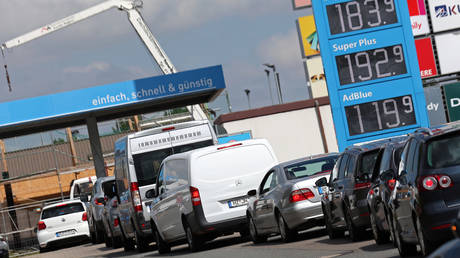
Fuel prices are choking the global economy, and world leaders are scrambling for quick fixes. When the White House dangled the threat of a domestic diesel export ban to tame surging costs at home, international panic instantly followed.
The resulting compromise? A coordinated G7 agreement to unleash 100 million barrels of crude oil and emergency diesel reserves onto the market. It sounds like a massive rescue package. But if you look past the political theater, you realize this emergency drawdown does almost nothing to fix the actual structural rot driving energy inflation.
The Anatomy of a Manufactured Crisis
Let's be clear about what triggered this standoff. Global energy markets have been under immense strain due to supply shocks tied to the war in Iran and ongoing disruptions involving Russia. Wholesale diesel prices skyrocketed, pushing eurozone inflation to multi-year highs and squeezing transport and logistics sectors.
Donald Trump seized on the domestic political fallout, warning that Washington was weighing a total ban on US diesel exports to hoard supplies inside American borders. European capitals reacted with fury. Officials in Brussels pointed out that threatening an export block destroys trust in American trade partnerships.
Yet within hours, the rhetoric shifted completely. Trump walked back the threat, claiming an export ban was "never really on the table," while G7 nations conveniently announced their joint 100-million-barrel reserve release. Trump praised European partners for opening their stockpiles, painting the whole episode as a diplomatic win.
Why 100 Million Barrels Won't Save Your Fuel Bill
Releasing 100 million barrels sounds impressive on a press release, but global liquid fuel consumption sits well above 100 million barrels every single day. This emergency injection is a drop in the ocean.
Energy analysts have pointed out a harsh reality: dipping into state-owned reserves doesn't create new energy. It simply borrows from tomorrow to lower prices today. Once those barrels are burned through over the mandated four-month rollout window, the market returns to the exact same deficit unless underlying production ramps up.
More importantly, the core problem isn't a lack of refined product sitting in European tanks. The root issue is a crippled global supply chain struggling with geopolitical choke points, refinery bottlenecks, and chronic underinvestment in fossil fuel infrastructure. Shuffling emergency inventory around is the geopolitical equivalent of moving deck chairs on the Titanic.
What This Means for Consumers and Businesses
If you run a transport company, a farm, or simply commute in a diesel vehicle, don't expect long-term relief from this announcement. While wholesale futures dipped slightly the moment the deal hit the news, retail prices at local service stations rarely plummet overnight.
Governments love reserve releases because they create the illusion of decisive action without requiring painful, long-term policy shifts. But structural inflation in the energy sector demands actual supply expansion, not emergency hoarding and political posturing.
Keep a close eye on refining margins and geopolitical tensions in major shipping lanes over the coming months. That is where the real direction of your fuel costs is being decided, long before the G7 dips into its reserves again.