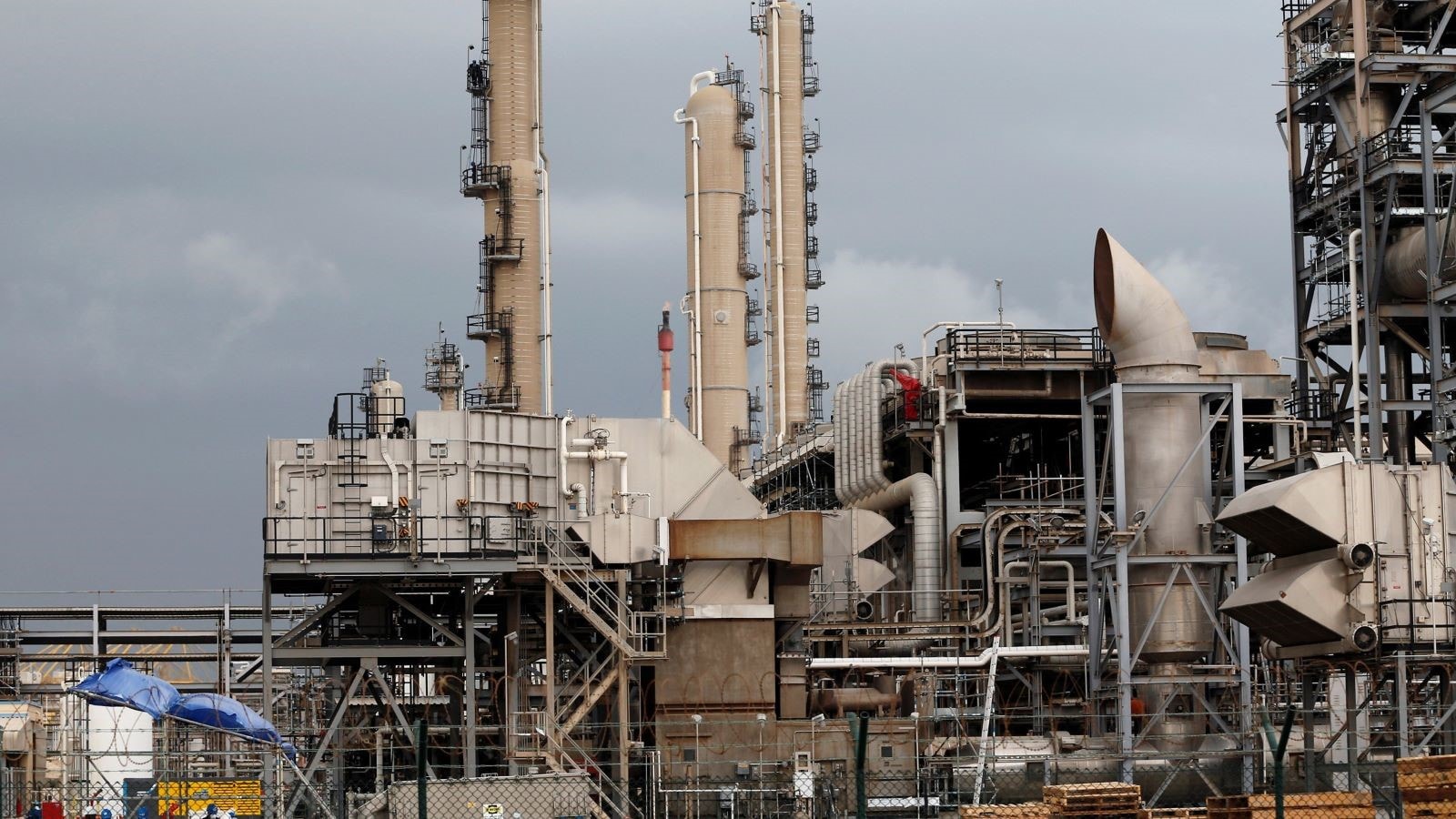
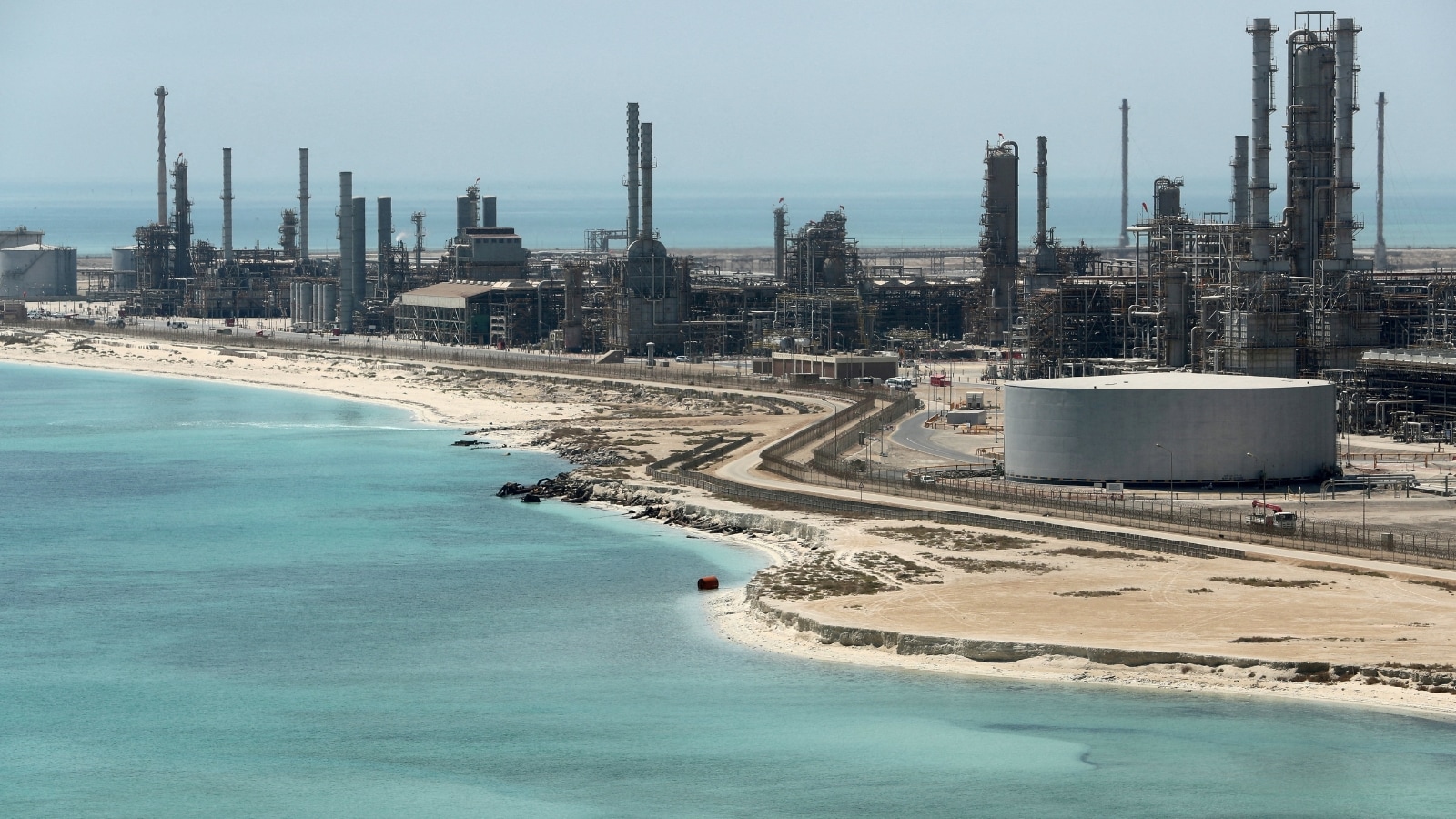
The kinetic targeting of the commercial tankers Mombasa and Al Bahiyah by Iranian cruise missiles in the southern transit lane of the Strait of Hormuz exposes the structural fragility of clandestine maritime energy corridors. While conventional market commentary interprets these events through the lens of episodic geopolitical risk, an operational analysis reveals a structural failure in the risk-mitigation frameworks deployed by global shipping firms and state energy entities. The assumption that non-communicating, un-transponded transit provides an effective defense against state-level electronic and physical interdiction is invalid.
This development immediately dislocates the global energy supply chain. The Strait of Hormuz acts as a non-substitutable chokepoint, historically handling approximately 20% of global petroleum liquids. When these flows are compromised, the immediate consequence is an asynchronous expansion of the maritime war risk premium, altering the cost function of global oil transport before physical barrel deficits materialize in consumer markets.
The Mechanics of Clandestine Transit Failure
To bypass rising geopolitical friction and escape escalating insurance premiums, operators have increasingly relied on "dark voyages"—transiting critical chokepoints with Automatic Identification System (AIS) transponders deactivated. The targeting of these specific UAE-linked supertankers demonstrates that state-level adversaries possess sensor arrays capable of overcoming electronic signature suppression.
The operational failure of dark transit relies on three distinct vectors:
- Active Shore-Based Radar and Electro-Optical Tracking: Deactivating an AIS transponder only removes a cooperative beacon signal. It does nothing to degrade the radar cross-section of a 300,000 deadweight-ton Very Large Crude Carrier (VLCC). Coastal anti-ship missile batteries utilize active electronically scanned arrays and long-range thermal imaging to maintain a high-confidence target track independent of civilian transponder networks.
- The Predictive Bottleneck of Bathymetry: Shipping lanes within the Strait of Hormuz are highly constrained by depth and topography. The outbound (southern) traffic lane running through Omani territorial waters forces deep-draft vessels into a predictable corridor only a few miles wide. Because spatial distribution options are mathematically limited, an adversary does not need real-time satellite data; they only need persistent surveillance over a deterministic bottleneck.
- Human Intelligence and Port-of-Origin Telemetry: Vessels executing "shuttle runs" between regional loading terminals and transshipment hubs generate physical signatures at the point of departure. Real-time monitoring of port outbound traffic removes the element of surprise long before the vessel enters the chokepoint.
When these vectors intersect, the probability of successful interdiction approaches unity, rendering the operational risk of running "dark" unhedged and highly inefficient.
The Friction Cost Function of Maritime Energy Supply
The immediate 2% surge in Brent crude and the prior 9.6% single-session spike reflect the structural repricing of maritime logistics. When kinetic actions disrupt a primary chokepoint, the financial impact is governed by a defined cost function containing three distinct variables.
1. The Asymmetric Insurance Multiplier
The primary economic mechanism driving oil price appreciation is not the physical destruction of inventory, but the mathematical recalibration of risk by marine underwriters. Hull and Machinery (H&M) alongside Protection and Indemnity (P&I) clubs respond to cruise missile strikes by declaring the geographic zone an active exclusion area.
Total Voyage Cost = Baseline Operating Expense + Spot Freight Rate + (Vessel Capital Value * Additional Premium Risk Rate)
Within hours of an attack, the Additional Premium (AP) rate applied to the total insured value of a supertanker can escalate from nominal baselines to upwards of 1% to 1.5% of the hull value per transit. For a modern VLCC valued at $100 million, this single variable introduces a $1 million to $1.5 million friction cost per voyage, structurally shifting the global floor price of the delivered commodity.
2. The Freight Capacity Contraction
As operators choose to pause transit plans rather than accept unhedged hull exposure, the active supply of available tonnage falls sharply. The sudden withdrawal of key shipping entities creates a localized deficit in available bottoms. Because the demand for crude transportation is highly inelastic in the short term, this capacity contraction triggers an exponential spike in spot Worldscale rates, directly inflating the landed cost of crude at destination ports.
3. The Shadow Inventory Depletion Rate
The interruption of stable transit patterns forces downstream refiners to draw down near-shore commercial inventories. The physical lag between a chokepoint disruption and destination shortfalls is determined by the total volume of oil currently on water. As this floating buffer is consumed without structural replacement, the global supply curve shifts leftward, accelerating spot-month backwardation where prompt delivery commands an extreme premium over future contracts.
Comparative Operational Risk Matrices
The tactical alternatives available to vessel operators demonstrate varying degrees of exposure and strategic trade-offs:
| Strategic Profile | Detection Probability | Insurance Availability | Average Transit Velocity | Operational Bottlenecks |
|---|---|---|---|---|
| Standard Open Transit (AIS Active) | 1.00 | Severely restricted or subject to extreme premium surcharges. | 13–15 Knots | High vulnerability to state-directed legal or regulatory interdiction under the guise of technical non-compliance. |
| Clandestine Shuttle (AIS Deactivated) | 0.85 | Invalidated if terms explicitly mandate persistent tracking transmissions. | 10–12 Knots (Reduced for situational awareness) | Extreme vulnerability to kinetic targeting due to lack of overt international naval escort visibility. |
| Naval Convoy / Protected Corridor | 1.00 | Available at baseline rates, subject to state-level strategic clearance. | 8–10 Knots (Constrained by slowest convoy asset) | Severe operational delays due to synchronization timelines, staging backlogs, and political friction regarding convoy funding. |
Strategic Play for Energy Procurement and Logistics Assets
The escalation of kinetic threats within the Omani transit lane invalidates traditional passive risk management models. Executive teams managing sovereign energy flows or commercial fleets must pivot from reactive insurance procurement to structured operational redirection.
First, fleet managers must eliminate the deployment of standalone un-transponded shuttle runs. The data proves that electronic cloaking is ineffective against state-level radar arrays. Continued adherence to this methodology risks the complete loss of capital assets and invalidates P&I coverage due to willful exposure to known hazards.
Second, charterers must immediately trigger force majeure clauses on contracts requiring passage through the eastern strait without sovereign naval escort verification. Logistics managers must re-route uncommitted tonnage toward alternate infrastructure networks. This requires an immediate operational shift to the East-West Pipeline systems across the Arabian Peninsula to bypass the chokepoint entirely, accepting the fixed tariff premiums of pipeline throughput over the catastrophic risk of localized maritime interdiction.
Finally, procurement divisions must structurally increase their long-term position in non-Hormuz exposed crudes. The systemic risk premium attached to Arabian Gulf barrels will remain elevated as long as state actors enforce aggressive sovereignty claims over recognized international lanes. Buyers must price in a permanent operational friction tax on Gulf barrels, dynamically allocating capital toward West African, Atlantic Basin, and North American supply nodes to immunize corporate supply chains against unavoidable chokepoint failures.