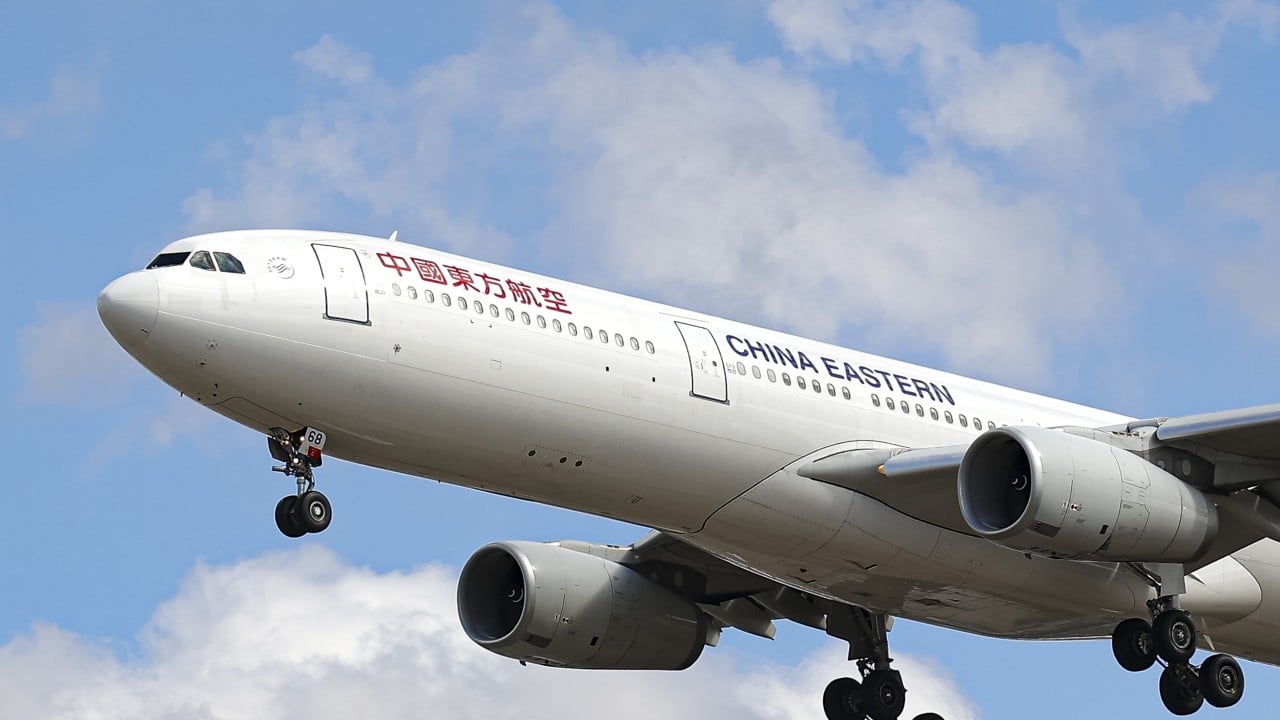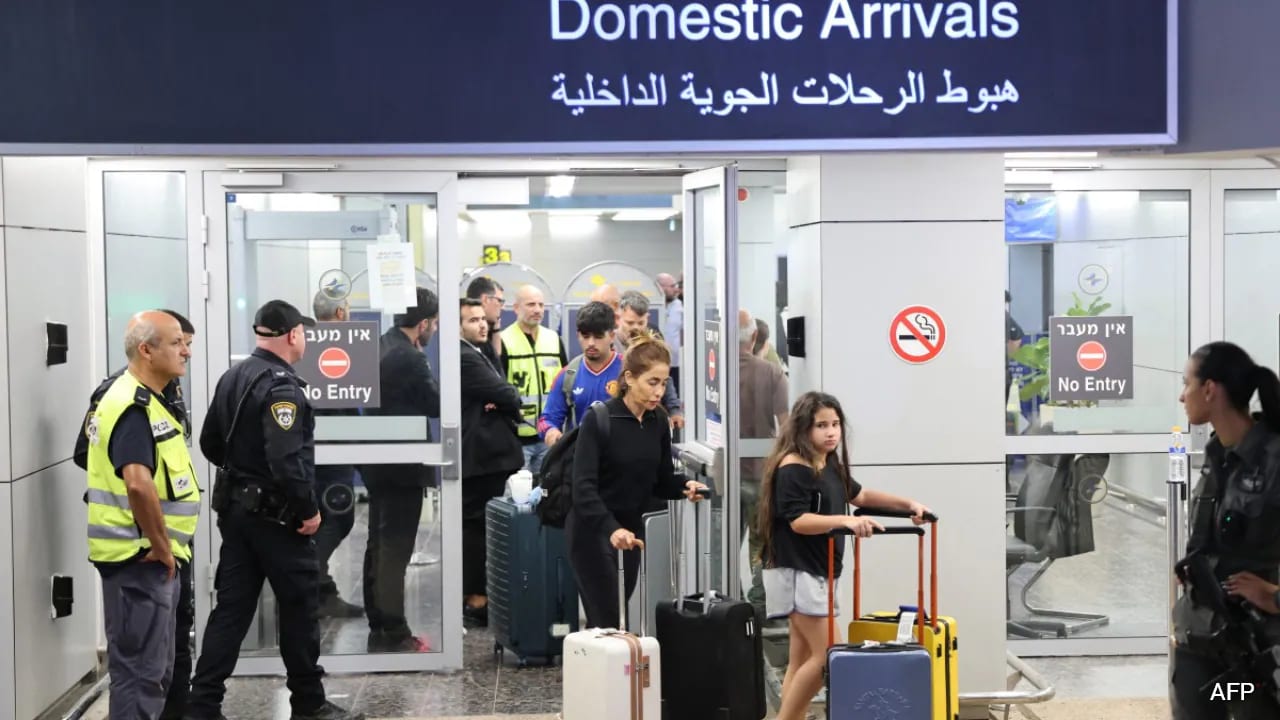
Whenever an airline grounds a route and hides behind the velvet curtain of passenger security, check the reinsurance market before you nod along with the press release. Flydubai pulling its Tel Aviv schedule isn't an altruistic act of corporate caution. It is a cold, calculated exercise in balance sheet defense dictated by underwriters in London who wouldn't know a Boeing 737 from a freight elevator.
The lazy consensus in aviation journalism swallows the official line whole. Headlines frame the suspension as proof that regional instability finally crossed a red line for low-cost carriers. That framing is naive. It ignores how aviation risk actually gets priced, traded, and offloaded when geopolitical temperature gauges tick upward.
I have watched carriers bleed millions because their brokers panicked during regional flashpoints, hiking war-risk premiums past the point of route profitability long before a single missile crossed a flight path.
Let us look at the mechanics of modern route economics.
A commercial flight doesn't just need fuel, clearance, and paying passengers. It requires Hull War and Allied Perils insurance. When regional volatility spikes, primary insurers stop writing policies without extortionate deductibles. Reinsurers—the shadowy layer of capital providers sitting behind your favorite flag carrier or budget airline—suddenly recalculate aggregate exposure across the entire Middle East corridor.
When those underwriters adjust their models, the cost of keeping a bird in the air over contested airspace transforms from a minor line item into a margin-destroying liability.
Flydubai operates a massive fleet of Boeing 737 aircraft. Their entire business model rests on hyper-efficient turnaround times, high asset utilization, and razor-thin seat margins. If your war-risk surcharge triples overnight, flying into Ben Gurion ceases to be a commercial service. It becomes a charity case for the underwriters.
Suspending the route isn't a moral stance. It is simple math.
Yet the public narrative insists on treating airlines as moral actors reacting to humanitarian safety thresholds. This is a category error. Airlines are financial instruments with wings. They fly where the risk-adjusted return on capital remains positive. The moment the cost of insurance outstrips ticket yield, the safety excuse becomes the most diplomatic, PR-friendly way to shut down a bleeding ledger without admitting that the underwriters pulled the plug.
Consider the alternative scenario. Imagine a carrier that decides to absorb escalating war-risk premiums to prove its commitment to a destination. Within two quarters, institutional investors punish the stock, credit rating agencies downgrade their debt, and the board forces a sudden, humiliating retreat anyway. By pulling the pin early, management avoids a slow bleed and shifts the narrative from financial pragmatism to prudent caution. It is a brilliant PR judo move, even if it leaves passengers stranded and local tourism operators scrambling.
The deeper problem with how we discuss aviation safety and geopolitics is our collective refusal to acknowledge that safety is a priced commodity, not an absolute state.
Every flight you take carries a calculated, acceptable risk profile. When airspace over Eastern Europe, the Middle East, or parts of Africa becomes contested, regulatory bodies like EASA or the FAA issue conflict zone bulletins. These bulletins rarely order outright bans; they issue warnings. Airlines interpret those warnings through the lens of their insurance deductibles. If your deductible for a hull loss is fifty million dollars because your reinsurer considers the route a Tier 1 war zone, your risk appetite evaporates instantly.
Stop buying the corporate line that executives lie awake at night weeping over passenger safety metrics. They look at spreadsheets where insurance premiums dwarf operating revenue.
Flydubai will reinstate flights to Tel Aviv the exact minute the London reinsurance pool recalibrates its risk models downward and drops war-risk surcharges back to baseline levels. Not when peace breaks out. Not when regional tensions permanently resolve. They will fly again when the numbers pencil out.
Until we start treating airline route suspensions as financial transactions rather than moral judgments, we will continue to misread every major shock in global mobility.
The next time an airline suspends a route citing safety, ignore the press release. Look at the insurance renewal dates. That is where the real flight plan is written.