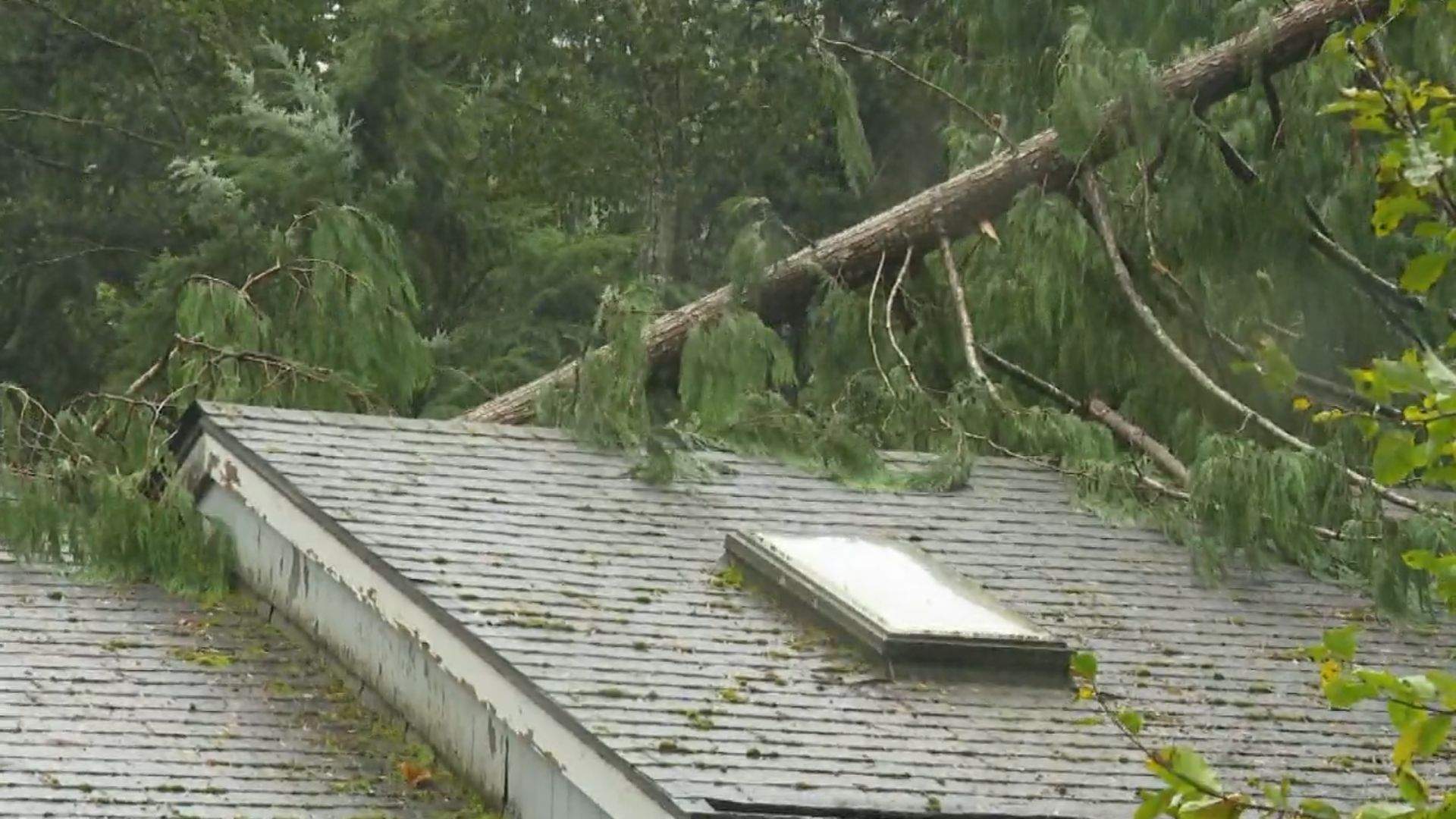
Listen.
Before the glass breaks, before the sirens start wailing down narrow concrete alleys, and before the emergency alerts turn every smartphone in the room into a screaming choir, there is a sound that comes from deep beneath your boots—a low, guttural freight train barreling straight up through the bedrock of central Japan.
If you have never stood on a floor that suddenly turns into liquid, you might think an earthquake is something you watch. You picture swaying chandeliers or books tumbling off a shelf like in a movie. You do not picture the terrifying speed with which a Tuesday afternoon turns into a survival puzzle. You do not feel the sudden, nauseating betrayal of gravity when the earth beneath your heels decides to shove sideways at sixty miles an hour.
When a strong earthquake shook central Japan recently, shattering storefront windows and leaving at least twenty-two people injured, the standard news wires did what they always do. They reduced a violent geological spasm into tidy, digestible bullet points. Magnitude. Epicenter. Depth. Property damage. Twenty-two injuries.
Cold numbers. Clean edges. Zero blood on the pavement.
Yet behind those twenty-two reported injuries are twenty-two ordinary mornings violently interrupted, and thousands more neighbors left staring at hairline cracks in their plaster walls, wondering if the big one is still waiting in the dark. To understand what really happened when the crust slipped in central Japan, we have to step past the press releases and stand inside the shattered glass.
The Architecture of a Sudden Jolt
To picture what that morning felt like on the ground, let us step into a hypothetical scene—one built directly from the verified mechanics of this quake and the countless eyewitness accounts that follow every major tremor along the Japanese archipelago.
Meet Kenji, a fictional composite of the shopkeepers whose storefronts bore the brunt of the shockwave. Imagine him wiping down a glass display case in a quiet shopping arcade in central Japan. The morning rush has faded. The kettle in the back room is just beginning to hiss.
Then comes the P-wave.
Seismologists talk about primary waves and secondary waves as if they are gentle ripples on a garden pond. In reality, the P-wave is a sharp, vertical punch. Kenji feels his knees buckle upward before his brain even registers danger. One second passes. Two. Across the street, the heavy plate-glass window of a bakery begins to bow inward, flexing like a plastic ruler under pressure.
Plate glass is strong until it is asked to bend. Buildings in central Japan are engineered to sway, built on deep pilings and flexible steel joints designed to absorb tectonic fury. Glass, however, does not like to dance. When a rigid window frame twists even a fraction of an inch out of square during the violent horizontal shear of the S-wave, the glass has nowhere to go.
It explodes.
Not a gentle tinkle, not a cinematic shower of harmless sparkles, but a deafening cannon blast of razor-sharp triangles hurling across the sidewalk. This is how the injury count climbs in urban earthquakes even when buildings stay standing. Of the at least twenty-two people hurt when central Japan shook, the vast majority were not trapped under collapsed concrete. They were cut by flying glass, knocked off their feet by violent lateral jolts, or struck by falling inventory in shops and homes.
Think about that for a second. Modern Japanese engineering saved lives by keeping roofs in the air, yet the sheer kinetic violence of the shaking still turned everyday retail streets into minefields.
Why Central Japan Never Truly Sleeps
Why does this specific region carry such heavy geological tension? Look at a tectonic map of Japan and you will see a nation caught in a permanent, slow-motion vise.
Four massive tectonic plates—the Pacific, the Philippine Sea, the Eurasian, and the North American plates—grind, dive, and lock against one another right beneath the islands. Central Japan sits squarely where these colossal slabs of rock wrestle for space. Imagine pushing two coarse sheets of sandpaper together with all your strength while trying to slide them sideways. For years, sometimes decades, friction holds them dead still. Energy builds silently in the stone, bending the crust like a drawn bow.
Eventually, the rock snaps.
Because central Japan is crisscrossed by active inland faults as well as offshore subduction zones, earthquakes here often strike shallow and close to populated towns. Depth matters enormously when the earth moves. A quake originating sixty miles underground loses much of its sharp, high-frequency punch before it reaches your living room. A shallow tremor, snapping just ten or fifteen miles beneath the surface, delivers its energy raw and unfiltered. The shaking arrives almost simultaneously with the warning chime on your phone.
You get no grace period. You get no time to finish pouring your tea or grab your coat.
I remember the first time a shallow tremor hit while I was standing in a third-floor apartment in Honshu. There is a specific kind of helplessness that washes over you when the walls groan like the hull of a wooden ship in a storm. Your instincts scream at you to run outside, to escape the ceiling above your head. Yet running during heavy shaking is the fastest way to become one of the statistics on the evening news.
In central Japan, that lesson is drilled into children before they even learn to write kanji. Drop. Cover. Hold on. Stay away from the windows. Do not sprint for the exit while tiles and glass are raining onto the pavement outside.
The Invisible Aftermath Behind the Casualty Count
When the shaking finally subsides—usually after twenty to forty seconds that feel like twenty minutes—a strange, heavy silence settles over the street.
Dust hangs in shafts of morning sunlight. Car alarms wail in discordant harmony. Shopkeepers step cautiously over glittering carpets of broken glass, checking on elderly neighbors who live in the wooden apartments above the storefronts.
In the hours after central Japan rattled, emergency crews moved swiftly through damaged districts, treating the injured and inspecting cracked facades. Twenty-two injured sounds mercifully low compared to the catastrophic tragedies in Japan's history. Headlines move on quickly when the death toll stays at zero. News cycles demand spectacle, and a crisis without collapsed skyscrapers rarely holds global attention past sunset.
Consider what happens next, though, in the quiet days after the camera crews pack up their tripods.
First comes the psychological phantom quake. Ask anyone who has lived through a violent tremor, and they will tell you about jishin-yoi—earthquake drunkenness. For days afterward, your inner ear refuses to trust the floor. A heavy truck rolling past the house makes your heart hammer against your ribs. Sitting quietly at a desk, you suddenly grip the armrests because you swear the room is swaying, even when the water in your glass sits completely still.
Then comes the quiet math of recovery. A shattered storefront window is not just a line item in a municipal damage report. For a family-owned noodle shop or a neighborhood pharmacy, broken glass means boarding up with plywood, losing days of foot traffic, paying out-of-pocket deductibles, and sweeping tiny splinters out of floorboards for months.
And hanging over every conversation at the dinner table is the question nobody can answer with certainty: Was that the main shock, or was it only a foreshock?
Even the most brilliant seismologists in Tokyo will admit, with sobering honesty, that earthquake prediction remains an unsolved mystery. Scientists can map fault lines with astonishing precision. They can calculate probabilities over thirty-year windows and deploy early warning networks that detect P-waves seconds before destructive shaking arrives. What they cannot do is look you in the eye after a strong tremor and promise that a larger rupture is not coming tomorrow night.
What the Shattered Glass Is Trying to Tell Us
Every strong earthquake in central Japan acts as a live stress test—not just for concrete and steel, but for human memory.
Japan is arguably the most earthquake-prepared society on earth. Strict building codes enacted after the 1981 revisions and tightened again after the 1995 Kobe disaster mean that modern structures routinely survive shaking that would level cities elsewhere. Furniture is anchored to walls with tension rods. Emergency kits sit beside front doors stocked with hardtack biscuits, foil blankets, portable toilets, and hand-crank radios.
Yet complacency is a quiet thief. When years pass without a major jolt, tension rods loosen. Heavy boxes migrate back onto high shelves. Storefronts stick with older, non-tempered plate glass because replacing it is expensive and business margins are thin.
When the earth finally lurches, it exposes every shortcut we took while the ground was quiet.
Look closely at why those twenty-two people were injured. Broken windows. Falling objects. Sudden falls during violent shaking. Nearly every single injury in a moderate-to-strong urban earthquake is preventable—not by stopping the tectonic plates, which no human power can ever do, but by respecting the physics of what happens inside a room when the floor moves three feet sideways in half a second.
Laminated safety glass holds together in a spiderweb pattern instead of exploding into daggers. Low, secured shelving keeps heavy ceramics from becoming projectiles. A pair of sturdy slippers kept right beside the bed stops you from slicing your feet open in the dark when a midnight tremor shatters every glass in the kitchen.
These are small, unglamorous details. They never make the front page. Nobody writes breaking news alerts about a bookshelf that stayed bolted to the wall or a tempered window that cracked without flying apart.
The Pulse Beneath Our Feet
Stand on any busy street corner in central Japan tonight and you would hardly know the earth recently tried to shake the town off its foundations.
Trains are running on schedule again, gliding smoothly along tracks that sensors automatically locked down the instant the ground began to tremble. Sweeping crews have cleared the glittering shards from the sidewalks. Plywood covers a few scarred storefronts, waiting for glaziers to arrive with fresh panes, while inside the warm yellow glow of lanterns, people sit shoulder to shoulder over bowls of broth, talking softly about where they were when the floor dropped out.
Life resumes its brisk, orderly rhythm. That resilience is real, earned through centuries of living on a restless island chain where beauty and danger share the exact same soil.
Still, if you look down at the edge of the curb, tucked into the narrow crevice between the asphalt and the concrete drain, you can still catch a faint glint in the streetlight. A single splinter of plate glass, no bigger than a fingernail, missed by the broom.
Beneath it, miles down in the pitch-black crush of the earth, the stone is already locking back together, gathering the quiet, patient tension for the next time it decides to move.