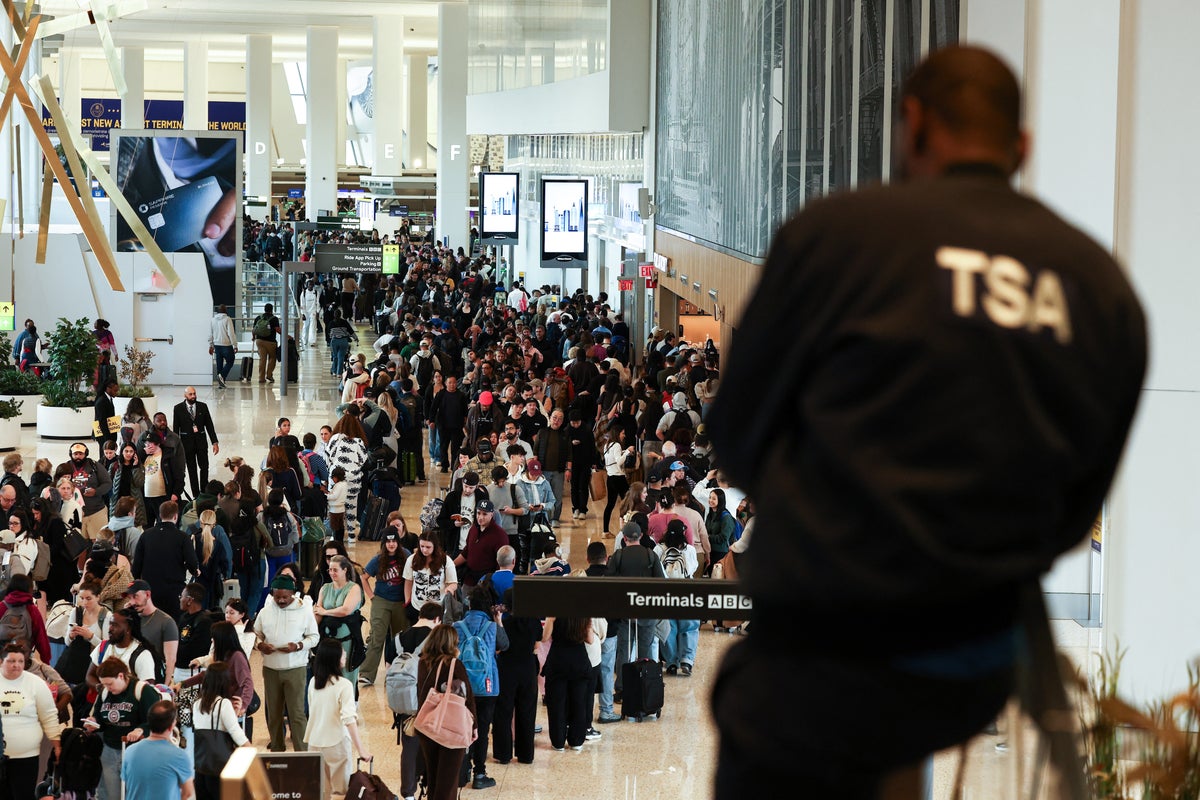
Every summer and holiday season, the media machine grinds into gear with the exact same panic-porn headline. You have seen it a thousand times. Passengers stranded on terminal floors, exhausted gate agents dodging flying water bottles, and self-appointed aviation experts wringing their hands over why flight cancellations are getting worse. The lazy consensus is comfortable, predictable, and entirely wrong. The mainstream narrative insists that airlines are collapsing under their own administrative incompetence, that modern scheduling software is fundamentally broken, and that the friendly skies have devolved into a dystopian gauntlet of perpetual delays.
I have watched billions of dollars in route economics shift, sat in operations control centers at two in the morning, and seen the brutal math behind hub-and-spoke scheduling. The truth is much more uncomfortable. Flight cancellations are not getting worse because the system is failing; they are getting worse because the system is finally refusing to lie to you.
Years ago, carriers played a dangerous game of operational chicken. They pushed metal into the air through marginal weather, squeezed aircraft turnarounds past the breaking point, and flew broken airframes on deferred maintenance flags just to keep on-time arrival metrics looking respectable on quarterly earnings calls. You sat on the tarmac for four hours while a smoking auxiliary power unit was duct-taped back together because canceling meant admitting defeat.
What looks like a crisis today is actually a radical, overdue course correction. Regulators cracked down, passenger compensation mandates grew teeth, and the cost of an avoidable mid-air mechanical failure skyrocketed. Modern cancellations are surgical strikes. They are preemptive interventions designed to prevent systemic failure down the line. When an airline pulls the plug on a flight three hours before departure, it is not an accident of poor planning. It is an algorithmic acknowledgment that the alternative is stranding three hundred people in a regional destination with zero hotel inventory for a week.
To understand why this friction exists, you have to look past the baggage claim chaos and examine how an airline actually functions. Most travelers view an airline as a fleet of planes flying from Point A to Point B. That is a consumer illusion. An airline is a complex, hyper-fragile logistics network that trades exclusively in temporal probability.
Consider the hub-and-spoke model. It is the bedrock of modern commercial aviation. By routing every flight through massive centralized hubs like Atlanta, Chicago, or Frankfurt, airlines can fill wide-body and narrow-body aircraft by funneling regional passengers into high-density trunk routes. It is an efficiency marvel. It is also an absolute house of cards.
Imagine a scenario where a single regional jet experiences a de-icing pump failure in Minneapolis at six in the morning. In a manufacturing plant, that broken bolt halts one assembly line. In a tight-turn airline schedule, that single grounded Embraer 175 initiates a cascading domino effect. The flight crew assigned to that aircraft are now illegal to fly due to strict Federal Aviation Administration duty-time regulations. The connecting passengers on that flight miss their bank of departures to twelve different cities. The aircraft itself was scheduled to turn around and operate a high-yield business commuter flight back to New York.
When airlines try to absorb these micro-shocks without canceling, bad things happen. Crew fatigue accumulates. Air traffic control flow programs lock up airspace. Maintenance logs get backlogged. The lazy critics scream that carriers should simply buy more spare aircraft and hire triple the reserve crews. That sounds wonderful in a corporate board room or a university economics lecture. In reality, keeping billions of dollars worth of redundant aluminum and idle labor sitting on the tarmac turns a low-margin, capital-intensive business into an instant bankruptcy filing.
The industry operates on thin net profit margins, often hovering around two to four percent per passenger dollar. Every single spare airframe sitting idle is capital drag. When you demand absolute reliability without cancellations, you are demanding ticket prices that would turn a domestic coach seat into a luxury mortgage payment.
The Myth of the Bulletproof Schedule
Let us dismantle another sacred cow. The widespread belief is that better software and artificial intelligence can eliminate cancellations entirely if airlines would just invest in modern infrastructure. This is technocratic fairy dust.
Data from the Bureau of Transportation Statistics shows that primary delay drivers are rarely within direct airline control. National airspace congestion, ground stop initiatives, and severe weather anomalies dictate the rhythm of the skies. You cannot write an algorithm that repeals the laws of meteorology. When a convective storm system spans five hundred miles across the Ohio River Valley, no amount of machine learning prediction models can safely thread fifty regional jets through that corridor simultaneously.
What advanced predictive tools actually do today is calculate risk in real time. They look at historical passenger connections, crew positioning, and weather vectors, and they make a cold, mathematical calculation. They decide that canceling a flight now is cheaper and safer than letting it delay out into the night and blow up twenty subsequent crew pairings.
This brings us to the core irony of the modern passenger experience. You are angrier about cancellations today not because airlines are less reliable, but because your expectations of perfection have outstripped the physical realities of global transit. We live in an era of on-demand everything. You press a button on a glowing rectangle in your pocket and a hot meal or an Uber arrives in four minutes. We have engineered frictionless digital lives, and we project that expectation onto a heavily regulated, weather-dependent, physics-bound metal tube hurtling through the stratosphere at five hundred miles per hour.
When friction happens, it feels like a personal insult. It feels like institutional failure. In reality, it is the natural cost of moving billions of humans across continents safely.
How to Win the Game the Airlines Play
Complaining at the gate agent counter is a waste of your biological energy. Gate agents do not control the schedule, they do not own the aircraft, and screaming at someone making twenty-two dollars an hour will not magically generate an open seat on a fully booked Airbus. If you want to master modern air travel, you have to stop acting like a passive consumer and start operating like an enterprise supply chain manager.
First, stop booking connections through northern hubs during winter or summer convective storm seasons. If you are flying coast-to-coast between November and March, fly non-stop or route through southern warm-weather hubs where de-icing delays and winter squalls are statistically rare.
Second, abandon the obsession with the first flight of the day myth. Conventional wisdom says book the 6:00 AM departure because it never delayed. True, the first flight usually leaves on time because the plane overnighted at the station. But if that flight gets canceled due to a sick crew member who didn't show up, you are suddenly competing with two hundred other desperate people for the exact same rebooking pool. Instead, look for mid-morning departures on carriers with massive hub presence at your origin or destination. If a flight drops off the board, a carrier with twenty daily frequencies between those two cities can absorb you much faster than an airline running a single daily turboprop rotation.
Third, weaponize the contract of carriage. Most passengers treat their ticket like a bus pass. It is actually a legally binding financial contract. When an airline cancels your flight or causes a significant delay, you are not obligated to accept their vouchers or wait twenty-four hours for their next available seat. Under updated Department of Transportation rules, if a carrier cancels or significantly changes your flight for any reason within their control, you are entitled to a full, unconditional cash refund back to your original payment method, even if you bought a non-refundable basic economy ticket.
Do not let them trap you in phone trees. While you are standing in line listening to twenty people yell at the lone customer service rep, open your airline mobile app, pull up the rebooking screen, or better yet, dial the elite status desk or use the live chat feature. While everyone else is panicking analog, you can secure the last open seat digitally.
The Unspoken Trade-Off
The aviation sector is locked in a permanent tug-of-war between speed, cost, and safety. Every time regulators add a new passenger protection rule, airlines tighten their operational tolerances. They cut out schedule padding. They cancel marginal flights faster to avoid steep regulatory fines for tarmac delays.
You cannot have it both ways. You cannot demand bulletproof consumer protection, zero tolerance for delays, hyper-cheap ticket prices, and absolute immunity from weather systems. Something has to give.
The next time your flight gets canceled, resist the urge to rage against the dying of the light. Recognize what is actually happening behind the curtain. An operations manager just looked at a spreadsheet, calculated that safety margins were eroding, and pulled the emergency brake. It is inconvenient. It ruins your dinner plans. It forces you to spend an extra night in a sterile airport hotel near the interstate.
Yet that same cancellation is the invisible friction that keeps the hull intact, the engines running within specifications, and the crew legal. The system is not breaking down. It is finally prioritizing your survival over its schedule.