A crushing wall of water tore through the Himalayas last week, and the silence that followed was deafening. When a glacier collapse triggered catastrophic flash floods along the Nepal-Tibet border, thousands of lives instantly hung in the balance. Among the unaccounted were dozens of Australian travelers. Days ticked by with zero communication. Fear spiked. Then, rare news pierced the gloom: a second missing Australian was found alive.
Getting caught in a remote high-altitude disaster zone turns reality upside down in seconds. Communication lines snap. Roads vanish under mountains of mud. When you look at the scale of the destruction near Mount Kailash and the border crossings, surviving a wall of water feels statistically impossible. Yet, against steep odds, pockets of hope are emerging from the wreckage.
The Reality of Surviving the Nepal Tibet Floods
Communication blackouts are standard during Himalayan natural disasters. When infrastructure collapses, mobile towers go down and dirt tracks turn into impassable chasms. Families back in Australia experience pure agony waiting for updates from the Department of Foreign Affairs and Trade (DFAT).
The recent breakthrough came when a second unaccounted-for Australian managed to reach out directly from Tibet. This followed the earlier safe location of 25-year-old hiker Cara Severino, who had been trekking through the region. Foreign Affairs Minister Penny Wong confirmed the immense relief felt by families enduring a harrowing week. But the crisis is far from over. Thousands of people remain missing across both sides of the border, and search-and-rescue teams face brutal conditions trying to reach isolated valleys.
What Happens When Disaster Hits Off Grid
Traveling through remote regions like the Nepal-Tibet border demands respect for terrain that can turn lethal overnight. Most tourists sign up for spiritual pilgrimages or organized treks, trusting local routes. They don't expect a glacier collapse to wipe out entire travel corridors.
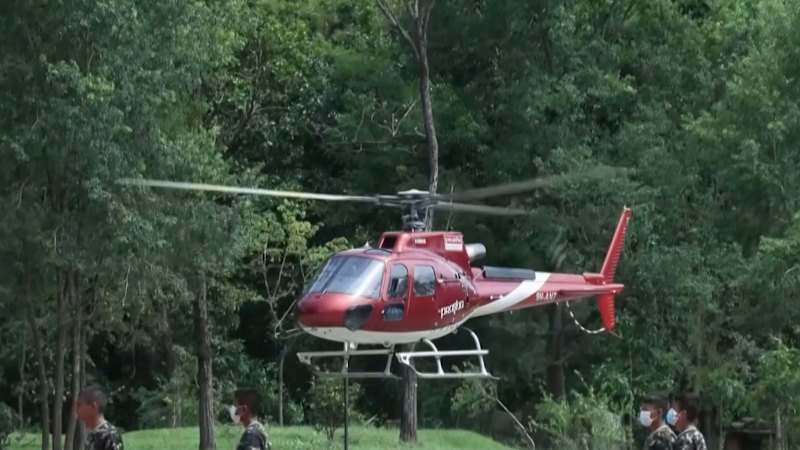
When things go wrong in these zones, rescue operations rely heavily on local security forces and international coordination. Nepal deployed nearly 20,000 security personnel, while Chinese authorities mobilized thousands of emergency workers on the Tibet side. Australia dispatched consular officials directly to Kathmandu to support affected families and coordinate boots on the ground.
Finding survivors days after a flash flood requires incredible grit. People trapped without power or phone service often have to hike out to operational outposts just to make a single phone call. That is precisely how these recent survivors beat the odds—by holding tight, staying put when movement was impossible, and reaching out the moment a single line of communication flickered back to life.
The Toll on Families Waiting for Answers
Behind every statistic in a news bulletin sits a family living through absolute torment. While the confirmation of survivors brings brief waves of relief, the broader picture remains grim. Tragically, confirmed losses have also begun to filter through, reminding everyone of the sheer destructive force of the floods.
If you are tracking the situation or trying to support loved ones impacted by the crisis, keep emergency contact channels open. Register your travel details with Smartraveller if you are heading anywhere near active tectonic or high-altitude zones. Check in regularly before heading off-grid. When Mother Nature strikes the roof of the world, self-reliance and rapid government consular support are the only lifelines left standing.



