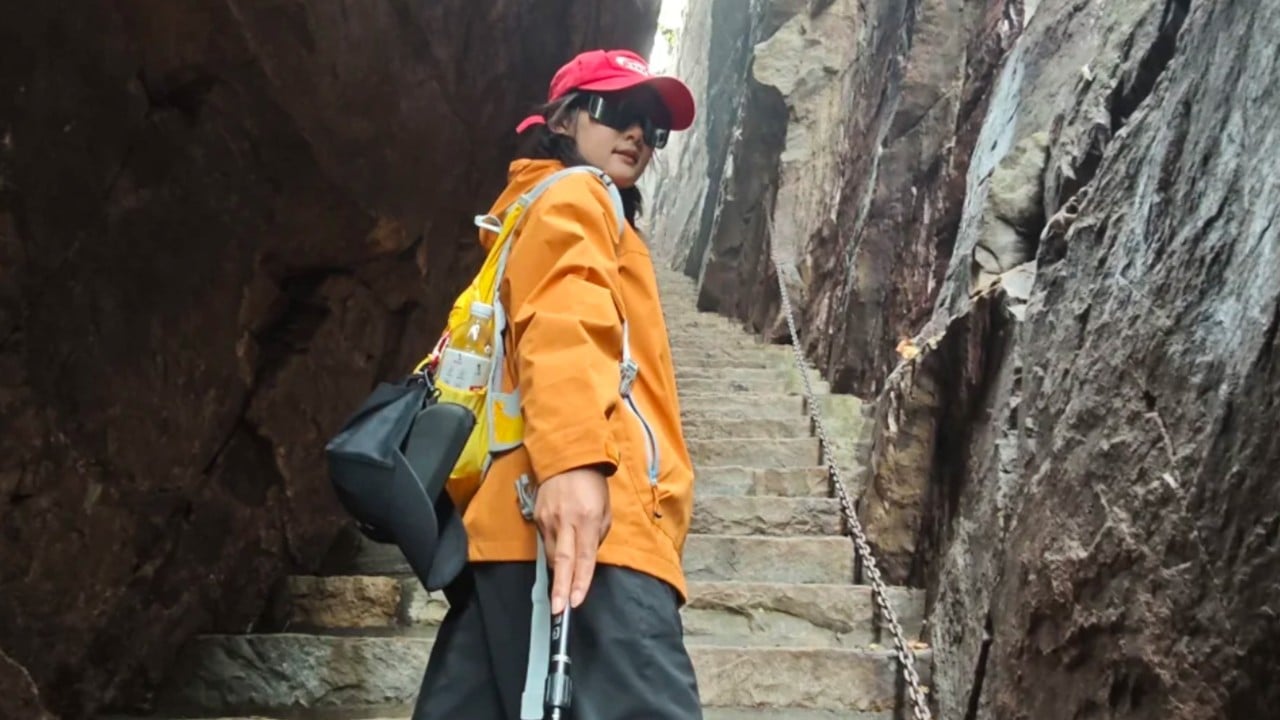
The air at high altitude does not welcome you. It tests you. With every single step up a rocky ridgeline, the atmosphere grows thinner, demanding more from lungs that are already burning. Most people who lace up their boots and head into the wilderness believe they are chasing peace. They look for the panoramic views, the quiet wind, the reset button for a chaotic life. But the mountains are indifferent to human ambition. They do not care about your weekend itinerary, your fitness tracker goals, or your flight home. They simply exist in a state of unyielding raw power.
Consider what happens when that power meets human vulnerability.
News reports recently flashed across screens with cold, sterile efficiency: a Hong Kong hiker loses their life, while a Singaporean teenager is discharged after two separate trail emergencies. Two headlines. Brief sentences meant to summarize tragedies and narrow escapes. But behind those dry dispatches lies a stark reality that every outdoor enthusiast prefers to ignore. The wilderness does not forgive miscalculations. It does not wait for rescue services to figure out coordinates when the temperature plummets and the mist rolls in.
Let us walk that trail ourselves for a moment. Imagine standing on a steep incline where the path narrows to the width of a boot. On one side, a granite wall presses against your shoulder; on the other, a drop-off vanishes into a blanket of gray cloud.
Your heart is hammering against your ribs. Your water bottle is empty. The sun is dipping below the jagged horizon much faster than your navigation app predicted. Panic is not a dramatic explosion; it is a slow, cold tightening in your chest. It whispers that you are entirely alone, even if you started the morning with a group.
This is where the invisible stakes of outdoor adventure reveal themselves.
We live in an era where trails are packaged as consumer products. Social media feeds are flooded with effortless snapshots atop scenic peaks, filtered to look accessible, safe, and easily conquered. Entire industries sell the illusion that nature is just another theme park waiting for your check-in. Lightweight gear, offline maps, and waterproof jackets create a false sense of invincibility. We forget that the ground beneath our feet is ancient, unstable, and entirely wild.
When a trail emergency unfolds, it rarely happens because of a single catastrophic mistake. It is almost always a slow accumulation of small errors. A missed turn here. An extra hour spent chasing a photo opportunity there. Ignoring the dull ache in a knee because you refuse to turn back before reaching the summit.
Statistically, search and rescue teams across global hiking hotspots report a recurring pattern. The majority of distress calls do not come from reckless, seasoned mountaineers attempting dangerous technical climbs. They come from regular people on popular paths who underestimated the environment, overestimated their stamina, or simply ran out of daylight.
The tragedy in Hong Kong and the close call experienced by the young traveler from Singapore serve as jarring reminders of this truth. They pull back the curtain on how quickly a recreational afternoon can transform into a struggle for survival.
Let us look closely at the mechanics of vulnerability.
Hypothermia, for instance, is a master thief. It does not announce itself with dramatic shivers in freezing snowstorms. In many trail emergencies, temperatures drop rapidly as wind picks up or clouds move in, even in regions considered temperate. Wet clothes from sweat combined with a sudden drop in ambient temperature create a lethal equation. Your brain cools down. Decision-making falters. You stop thinking clearly. You might even feel warm—a cruel neurological trick right before hypothermia takes total control.
Then there is exhaustion. When muscles fail, balance goes with them. A misstep on a loose gravel slope that would be a minor annoyance during the first mile becomes a disastrous ankle fracture or a fatal fall by mile six.
Yet, we keep climbing. Why?
Because the call of the wild touches something primal inside us. We crave the silence away from the constant hum of notifications. We want to test our boundaries in a world that has grown overwhelmingly comfortable and predictable. There is profound nobility in pushing your physical limits and discovering what your body can endure.
The mistake is not in going to the mountains. The mistake is treating them with casual indifference.
True respect for the wilderness begins long before you tie your laces. It starts with the humility to check weather forecasts that ruin your plans. It means packing emergency layers you hope you will never wear. It means possessing the quiet courage to turn around three hundred feet from the summit because the fog is rolling in and your intuition is waving a red flag.
Turning back feels like failure in the moment. It feels like wasted effort. But the mountains will still be there next week, next month, next year. You might not be, if you let your ego write checks your body cannot cash.
Think of the families mourning the hiker who never made it down from the Hong Kong trail. Think of the quiet hospital room where the Singaporean teenager processed how close they came to a very different outcome. Those moments ripple outward, shattering the illusion that outdoor recreation is risk-free.
We must change the conversation around adventure. We need to stop glorifying the hustle of peak-bagging at all costs and start celebrating smart decision-making. Knowing when to quit is the ultimate backcountry skill.
The wind howls across the ridge, carrying the scent of pine and damp earth. The shadows lengthen, painting the valleys in shades of purple and charcoal.
Step carefully. Respect the silence. Make it home.