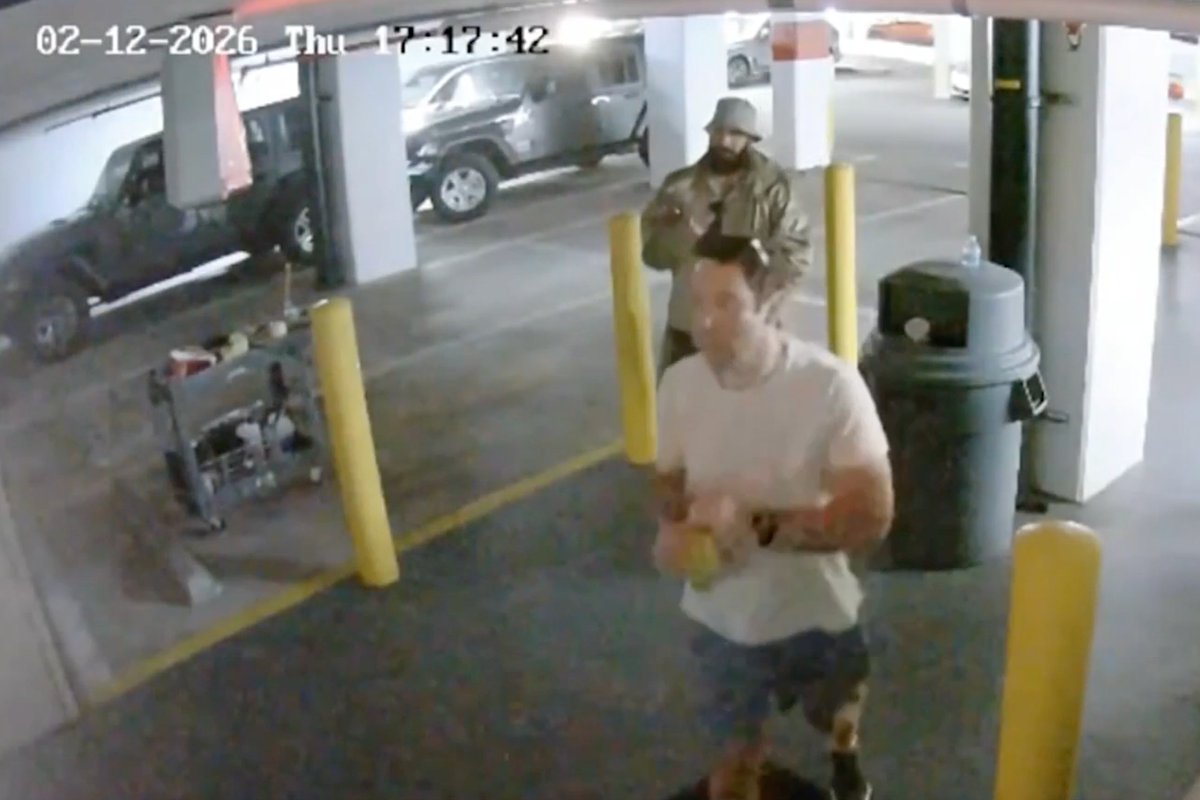
The grain of a security camera video has a specific kind of coldness. It strips away color, flattens depth, and turns human lives into a series of jagged, jittery movements. In the glowing monitors of a Miami high-rise luxury condo, the feed captured a man pacing. He was successful, brilliant, and operating at the absolute cutting edge of biotechnology—a field dedicated to extending human life.
Minutes later, he was gone. Falling twenty-five stories into the humid Florida night.
When news broke of the tragic death of a prominent biotech executive in Miami, the public received the standard, sanitized crime-beat briefing. A name, a title, a location, and the ambiguous phrase: suspected murder. But the dry facts of a police report fail to capture the true horror of a life interrupted, nor do they explain the chilling intersection of modern surveillance, corporate stakes, and the fragile nature of personal safety in our hyper-connected cities. To understand what happened before the fall, we have to look closer at the digital footprints left behind.
The Ghost in the Hallway
Imagine standing in a corridor of glass and steel, high above the neon blur of Biscayne Boulevard. The air conditioning hums a low, monotonous tune. You are alone, yet you are being watched by an unblinking electronic eye.
The security footage recovered by Miami detectives shows the executive in the hallway outside his luxury apartment just moments before his death. He isn't running. He isn't hiding. His behavior is erratic, restless, a physical manifestation of acute distress. He paces back and forth. He checks his phone. He looks over his shoulder.
To anyone watching the live feed that night, it might have looked like a man merely stressed by the crushing weight of a multi-million-dollar biotech venture. We have all experienced that specific brand of modern anxiety—the late-night email that ruins sleep, the pressure of a deadline, the weight of expectations. But as the investigation shifted from a tragic accident to a homicide inquiry, those mundane movements took on a sinister, retrospective weight.
He wasn't just pacing. He was waiting. Or perhaps, he was running out of time.
When the Algorithm Fails to Protect
We live under the comforting illusion that total surveillance equals total safety. We surround our homes with smart doorbells, high-definition cameras, and biometric locks. The marketing promises a shield. The reality is merely a witness.
Consider the technological irony at play. The executive spent his days steering a company focused on breakthroughs that could manipulate biology, combat disease, and prolong existence. He dealt in the future of human longevity. Yet, all the sophisticated technology in his professional world, combined with the expensive security infrastructure of his residence, could not alter the brutal physics of a twenty-five-story drop.
The camera didn't intervene. It simply recorded the prelude to a nightmare.
Investigators face the grueling task of decoding those final images. In forensic science, video analysis is less about what is clearly visible and more about the spaces between the frames. A sudden shadow. A door slightly ajar. The subtle body language that indicates whether a person is acting under their own volition or under duress. The contrast between the clinical, high-tech world the executive inhabited and the raw, violent reality of his end is stark.
The Invisible Stakes of the Biotech Frontier
Why would someone want a biotechnology executive dead? While the police maintain tight lips on specific motives, the industry itself provides a backdrop of intense, often ruthless competition.
Biotech isn't just science; it is a high-stakes poker game played with billions of dollars of venture capital. A single patent can secure a company's future for decades; a single failed trial can wipe out an empire overnight. The pressure is immense. When an individual operating at the center of this universe dies under suspicious circumstances, the shockwaves ripple far beyond the immediate family. They destabilize investors, halt research, and raise uncomfortable questions about what happens behind closed doors in the race to own the future of medicine.
This isn't a hypothetical movie plot. It is the reality of corporate espionage and high-finance desperation. When the stakes are this high, human life can unfortunately become a variable some seek to eliminate.
Decoding the Final Footprints
The investigation now hinges on a digital jigsaw puzzle. Detectives are combing through the executive's encrypted messages, financial records, and personal histories to find the missing link. Who was on the other end of that final phone call? What caused him to step out into the hallway in a state of visible agitation?
There is a profound sadness in the way we piece together a life after it vanishes. We look at data points—a timestamped elevator ride, a keycard swipe, a blurry silhouette on a screen—and try to reconstruct the thoughts, fears, and emotions of a human being who is no longer here to speak for himself.
The public often demands immediate answers, expecting real-life investigations to wrap up neatly within the span of an hour-long television episode. But true justice is slow, meticulous, and agonizing. It requires staring at the same grainy, black-and-white footage for days on end, looking for the one anomaly that explains the unexplainable.
The balcony remains empty now. The wind off the Atlantic Ocean sweeps across the concrete structure, indifferent to the tragedy that occurred there. Below, the city of Miami continues its relentless, sun-drenched pace, entirely unbothered by the darkness that occasionally slips through the cracks of its glittering facade. All that remains of a man's final, terrified moments is a few gigabytes of data stored on a hard drive in a police evidence locker, waiting for someone to finally decipher the truth.