The horizon over the Bahamas usually promises a certain kind of salvation. Sunlight shimmers against turquoise shallows, turning the water into beaten gold. Pilots call it visual flight conditions. Clear blue. Endless visibility. A horizon where the sky and the sea blur into a single, breathtaking canvas.
Until it changes.
In aviation, the transition from peace to peril is rarely cinematic. There is no grand orchestral swell. There is only the sudden drop of a dial, a twitch of the yoke, and the sickening realization that the machine carrying everything you love is no longer flying, but falling.
Four members of a single family found that out. Relatives later confirmed the devastating reality: a family of four, whose names and ordinary Tuesday routines dissolved into an aviation tragedy in the Bahamas, did not survive the crash.
Silence. That is the true weight of news like this.
We read headlines as bullet points. Four dead. Plane crash. Bahamas. Our brains process the data, file it away under tragedy, and move on to the next tab, the next notification, the next cup of coffee. We armor ourselves against the sheer mass of global grief. We have to, or we would break. But behind every dry news alert lies a domestic universe extinguished in a heartbeat.
Imagine the packing list. Beach towels, sunscreen, perhaps a favorite paperback, matching sandals tossed haphazardly near the door of a hotel room or a charter terminal. The chatter of a vacation winding down. The shared jokes about flight delays or sunburns. The collective anticipation of returning to the familiar comfort of home.
Then comes the tarmac. The hum of the engine turning over. The familiar vibration rattling through the floorboards.
To understand why small aircraft accidents feel so uniquely agonizing, you have to look past the twisted metal and examine the architecture of trust. When we board a commercial airliner, we surrender our agency to a corporation of anonymous professionals, shielded by massive structural redundancies. When people board a small private charter or a light aircraft to island-hop across the Bahamas, the distance between the passengers and the pilot—often a family member, a friend, or a local operator—is measured in inches. You share the air. You share the dashboard reflections.
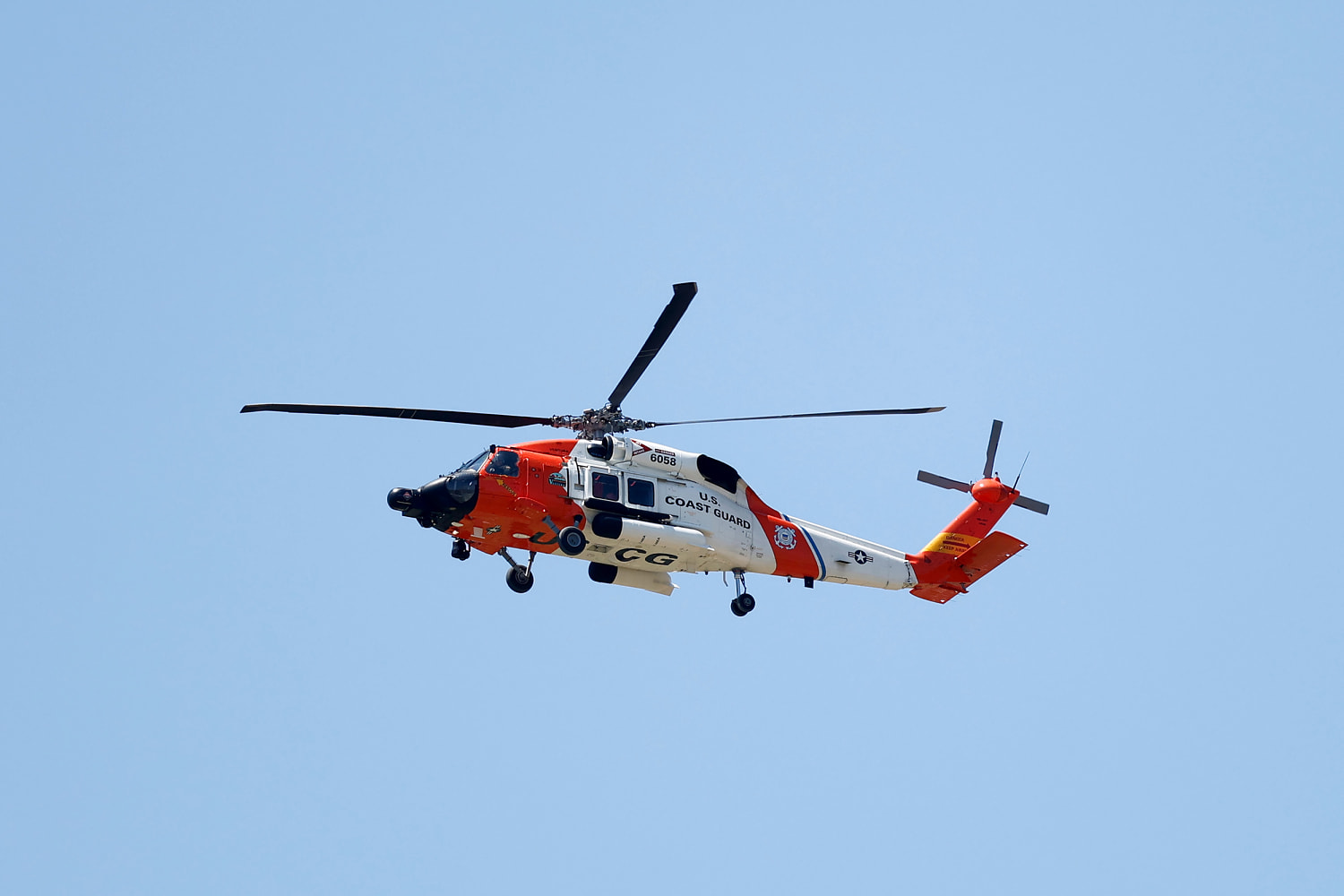
The aviation authorities—including the Flight Standards District Office and local rescue coordination centers—spent hours scouring the waters. Search and rescue teams cut through the same blue waves that moments before had looked like paradise. Debris fields do not care about birthdays, anniversaries, or the laughter recorded in videos still stored on iCloud servers. They simply float, indifferent markers of a catastrophic interruption.
Families are built on accumulated presence. A voice across the kitchen island. A pair of shoes left by the back door. The specific way someone laughs at a terrible joke. When an entire family unit vanishes at once, the grief defies standard geometry. There is no survivor to hold the photographs, no lone witness to recount the final moments with context. There is only an abrupt, jagged edge where a lineage used to continue.
Relatives back home woke up to phones ringing in the dark.
That is the moment the world splits into two distinct eras: before the call, and after. The news arrives not as a fully formed fact, but as a jagged shard of disbelief. What do you mean? They were just texting about dinner. They were supposed to land at three.
The investigative machinery grinds forward. Investigators from civil aviation boards comb through maintenance logs, fuel records, weather patterns, and radar tracks. Was it mechanical failure? A sudden downdraft? Spatial disorientation—that terrifying optical illusion where a pilot loses the horizon and flies straight into the sea, believing they are pulling up?
The reports will eventually drop. They will be filled with technical jargon, nomenclature, and probable causes. They will use clinical terms to describe human terror. Probable cause. Controlled flight into terrain. Engine anomalies.
None of those words will fill the empty chairs at Sunday dinner.
We look at disasters in remote, sun-drenched locations with a strange cognitive dissonance. We associate places like the Bahamas with escape, renewal, and joy. To have death claim a family there feels like a cruel geographic irony. Paradise is unforgiving when the physics fail.
Perhaps that is why stories like this linger, haunting the periphery of our thoughts long after the media cycle pivots. They remind us of the fragile scaffolding upon which our daily lives rest. We drive to work, we book flights, we pack bags, we make plans for next summer, all while walking along an invisible tightrope.
Back in the quiet rooms left behind by the family, the mail will still arrive. Subscription renewals. Bills. Notifications for appointments that will never be kept. The mundane machinery of life keeps turning, completely unaware that the people it was built for are gone.
The sea reclaims its surface. The wind smooths out the invisible scars left in the air by a falling engine. And somewhere, in the heavy quiet of an empty home, a photograph sits on a mantelpiece, waiting for people who are never coming back.