Filipinos are turning off the news, and it isn't just a casual drift. It's a full-on collapse.
The latest data from the 2026 Reuters Institute Digital News Report shows that trust in news in the Philippines plummeted by a staggering 10 percentage points over the last year. Only 28% of adult Filipinos say they trust most news most of the time. That is down from 38% in 2025. It is the sharpest drop among all 48 countries surveyed globally, dragging the Philippines well below the global average of 37%.
Why are people walking away? The easy answer is to blame social media algorithms or lazy readers. But that misses the actual story. Filipinos aren't suddenly indifferent to the world around them. They're exhausted. They're sick of the hyper-partisan warfare, the constant online screaming matches, and the weaponization of facts. When the nightly news feels like a front-row seat to a toxic family feud, changing the channel isn't apathy. It's self-defense.
The cost of divisive politics
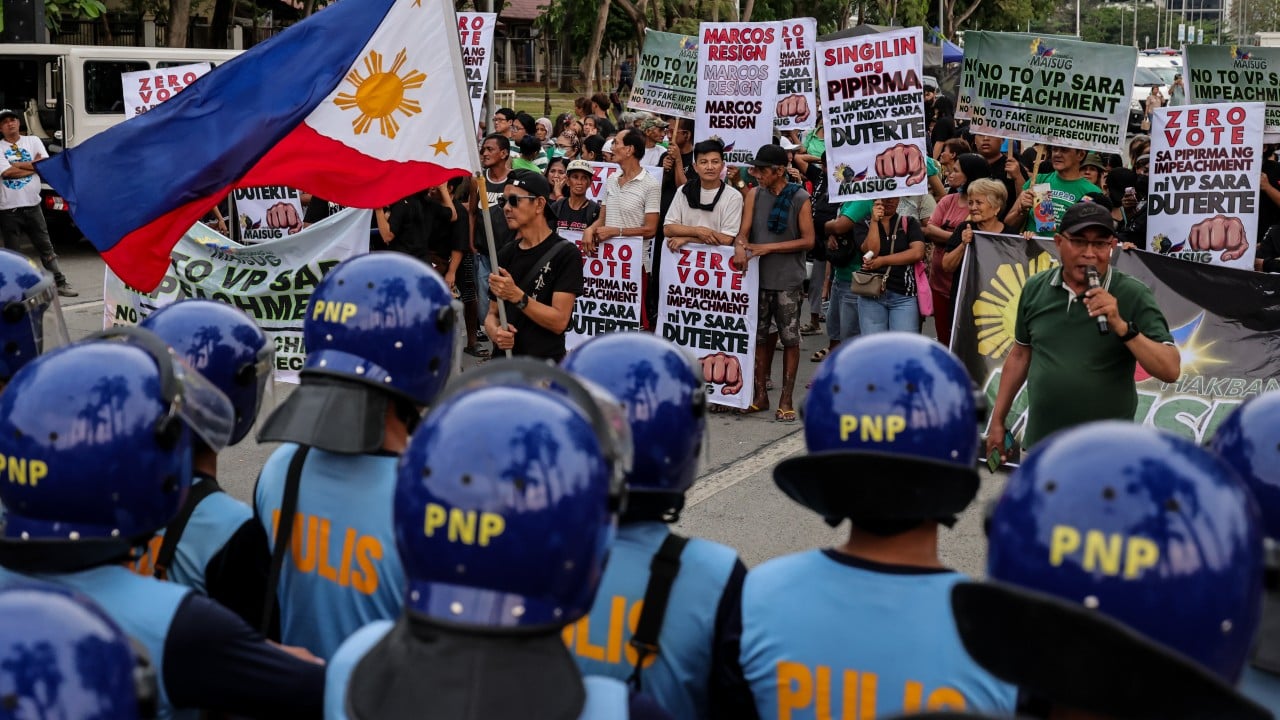
Look at the political friction dominating your feeds right now. The public sphere is a battlefield stretched between the remnants of the Duterte faction and the current Marcos administration. Take the upcoming impeachment proceedings against Vice President Sara Duterte as a prime example. A recent survey by OCTA Research revealed that a meager 19% of Filipinos believe senators will judge the case based on evidence and the law rather than political interests.
When people lose faith in the basic institutions of governance, the journalism covering those institutions takes a hit too. The news stops looking like an objective record of reality and starts looking like partisan theater.
Traditional media formats are losing the battle for attention. Since 2020, television news consumption among Filipinos has crashed from 66% down to 42%. Radio dropped from 25% to 14%. Print media is hanging by a thread at 10%.
Where did everyone go? They moved to platform feeds. About 70% of Filipinos now get their news primarily through social media. The problem is that when you shift from a curated news broadcast to a TikTok or Facebook feed, you aren't just changing the medium. You're entering an environment where professional reporting is forced to compete directly with highly emotional, partisan influencer content.
Why creators are winning the attention war
Filipinos aren't necessarily running to online content creators because they trust them more. In fact, the Reuters data shows that the public is highly conflicted on that front. Only 22% say creators are more trustworthy than traditional journalists, while 21% think they are less trustworthy.
The real draw comes down to tone. Independent creators and influencers talk like human beings. They make current events entertaining, relatable, and easy to understand. They don't use stiff anchor voices or hide behind clinical language.
Mainstream news brands still hold decent individual trust scores. GMA Network sits at 66% trust, the Philippine Daily Inquirer at 61%, and ABS-CBN at 60%. But while people might trust these brands when they see them, they're simply accessing them less. Instead of visiting a news website directly, people wait for clips to find them on YouTube or TikTok.
This creates a dangerous loop. Because platform algorithms reward outrage and high-emotion content, the real reporting gets buried beneath divisive political messaging. The noise level rises, the average citizen gets overwhelmed, and trust drops another notch.
Spotting fake narratives on your feed
With 66% of Filipinos deeply worried about what is real and what is fake online, navigating your daily feed requires a different approach. You can't rely on platforms to filter the garbage for you.
First, watch out for the emotional hook. If an online video or post makes you instantly furious or triumphant, step back. Disinformation thrives on high-arousal emotions. Creators use these hooks to get you to share before you think.
Second, check the source tracking. Many popular commentators present themselves as independent analysts but are quietly funded by political operations. Look at whether they report verifiable facts or simply react to and spin existing clips.
Third, diversify your formats. If you get all your information from short-form videos under 60 seconds, you are missing context by design. YouTube remains a strong space for longer-form breakdowns in the country, with 52% of users consuming longer video content. Use that to your advantage by seeking out detailed explainers rather than quick hot takes.
The reality is that nobody is coming to fix your media diet. Lawmakers in the 20th Congress are trying to push bills with criminal penalties and takedown mechanisms for online falsehoods, but press freedom advocates warn these vague rules could easily be used to muzzle legitimate journalists. Government initiatives like the Presidential Communications Office's "Oplan Kontra Fake News" are trying to step up enforcement, but state-led policing of truth always carries a political bias.
Your best defense against a broken information ecosystem is personal friction. Slow down your consumption, read past the headline, and recognize when a piece of media is trying to inform you versus when it is trying to recruit you for a political knife fight.


