Transparency rarely arrives without a fight. When the New York Police Department releases body-worn camera and surveillance footage following a high-stakes federal operation, people pay attention. Trust is fragile. The October 2026 shooting incident involving U.S. Immigration and Customs Enforcement (ICE) in upper Manhattan and the Bronx exposed a raw nerve. Lines blurred between local policing mandates and federal immigration enforcement, leaving residents demanding answers.
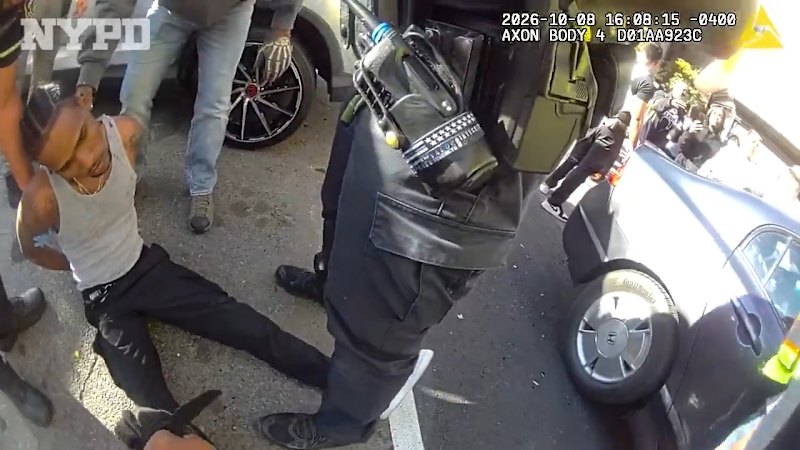
Footage released by the NYPD shows the chaotic immediate aftermath rather than the exact trigger pull. Officers rushed to a scene where a man had been shot and wounded by a federal agent. The optics were messy. Protests flared almost immediately across the neighborhoods, fueled by longstanding anxieties over federal operations conducted on municipal turf. Critics questioned the coordination, accountability, and the very presence of federal tactical gear on residential corners. If you liked this piece, you should look at: this related article.
The Anatomy of the Release
Why did the department drop the video? Public pressure dictates policy these days. Silence breeds suspicion. By publishing the visual record, authorities attempted to control a volatile narrative before rumors solidified into unrest.
The clips show responding local officers assessing a wounded civilian on the ground, securing the perimeter, and dealing with a bewildered, angry public. While the videos do not capture the initial seconds of the confrontation between the ICE agent and the civilian, they highlight the difficult position local police occupy. They didn't pull the trigger, but they own the block when the smoke clears. For another perspective on this story, see the latest update from USA Today.
The Friction Points Between Local and Federal Agencies
New York operates under strict sanctuary city guidelines. Local resources are legally barred from assisting in civil immigration enforcement. Yet, federal task forces operate within city limits independently, creating jurisdictional friction.
When an officer-involved shooting happens on local streets, accountability gets murky. Federal law enforcement personnel operate under different internal review boards and federal guidelines. Local leadership faces the political fallout. Residents want to know who authorized the operation and why local authorities were left scrambling to manage the fallout.
Transparency requires more than edited video clips released days after the fact. It requires clear boundaries. When federal agencies run operations inside dense urban neighborhoods without synchronizing with local precincts, community safety takes a backseat to jurisdiction turf wars.
What Happens Next on the Ground
Community organizers aren't backing down. They are demanding independent investigations into federal tactics used during urban encounters. City officials find themselves squeezed between federal immunity protections and local constituents who demand absolute accountability.
If you live in these neighborhoods, the anxiety is palpable. People want to walk their kids to school or head to the bodega without running into sudden tactical operations. The release of surveillance and bodycam footage pulls back the curtain, but it also reveals how wide the communication gap remains between federal badge holders and the local communities they impact. Real safety means clear rules of engagement, and right now, those rules are still being written in real time.