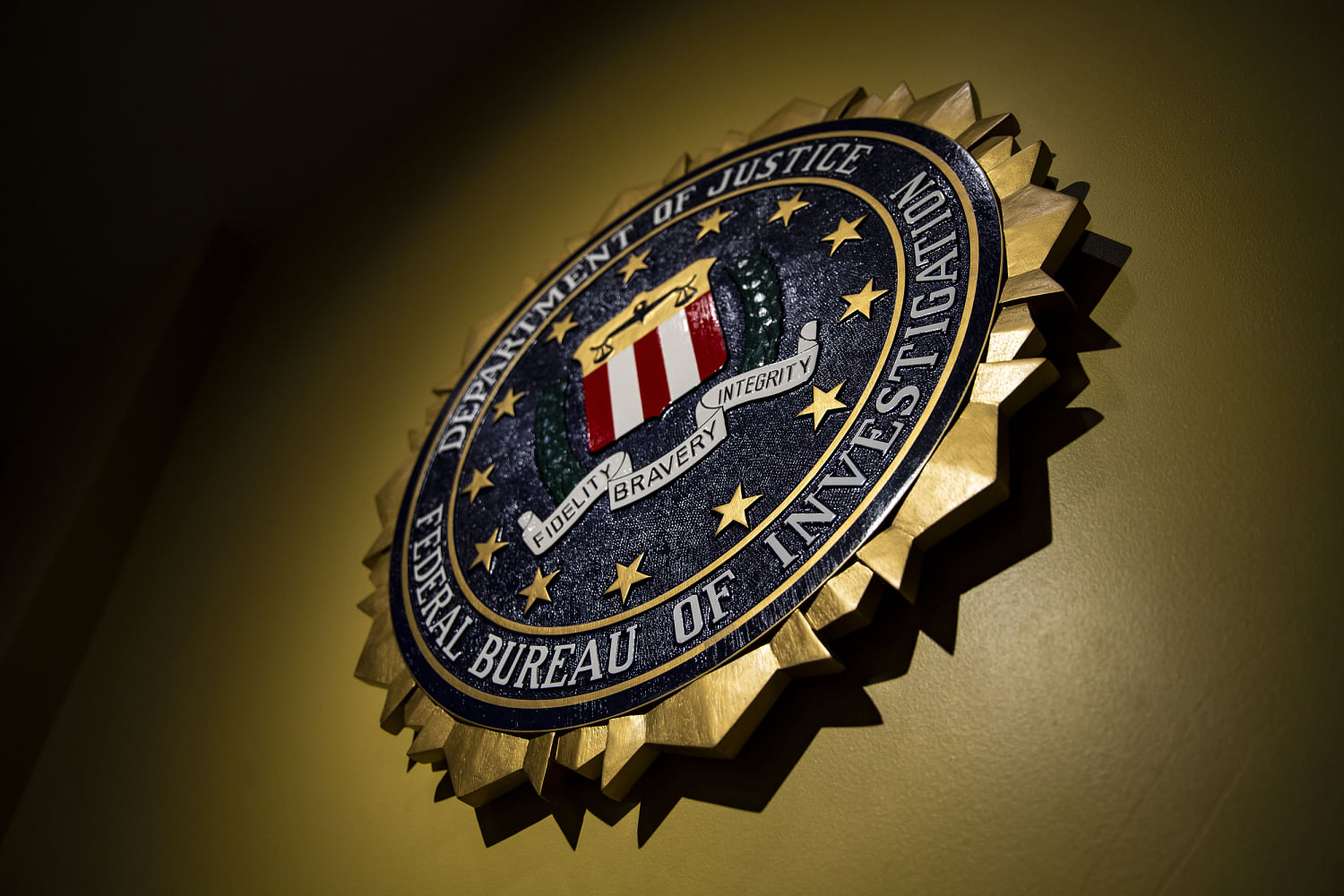
Federal indictments charging individuals with plotting attacks on behalf of foreign extremist organizations such as ISIS reveal a chilling blueprint of domestic radicalization, law enforcement interception, and judicial accountability. When a Pennsylvania man faces federal charges for allegedly attempting to provide material support to terrorism, the headlines flash briefly across screens before fading into the background noise of daily news cycles. Yet beneath the surface of these brief police blotter announcements lies a complex, high-stakes ecosystem of counterterrorism operations, digital surveillance networks, and undercover informants who operate in the shadows to prevent catastrophic violence.
Reporting on terrorism requires stripping away the sensationalism that often accompanies Department of Justice press releases. Bureaucratic language dominates initial public filings. Words like material support, conspiracy, and surveillance mask the gritty, relentless work conducted by federal agents working across multiple jurisdictions. For decades, the methodology of violent extremist organizations has evolved away from centralized command-and-control operations toward decentralized, self-radicalized actors operating behind computer screens thousands of miles away from traditional conflict zones. This shift transformed suburban bedrooms, basement offices, and encrypted chat rooms into the primary battlegrounds of modern national security.
The Anatomy of Modern Terrorism Indictments
Understanding how federal agencies track, evaluate, and neutralize these threats demands a hard look at the tools utilized by the Federal Bureau of Investigation and joint terrorism task forces. Intelligence gathering is rarely glamorous. It is a slow, methodical grind characterized by months of monitoring digital communications, analyzing financial transactions, and deploying confidential human sources. When an individual crosses the invisible legal line from holding radical ideologies to taking active steps toward executing a violent plot, law enforcement must balance two competing priorities. They must gather sufficient evidence to secure a conviction in federal court while acting quickly enough to eliminate any immediate danger to the general public.
Legal frameworks governing these prosecutions rely heavily on specific statutory definitions. Prosecutors frequently find it easier and more effective to charge individuals with attempting to provide material support or resources to a designated foreign terrorist organization than to construct complex conspiracy cases involving attempted mass murder. Material support laws carry decades-long prison sentences while offering clearer evidentiary standards. A suspect who attempts to wire funds, purchase tactical gear, or translate propaganda for an extremist group crosses a legally distinct threshold that simplifies the burden of proof for federal prosecutors standing before a jury.
The investigative burden in these cases extends far beyond wiretaps and physical surveillance. Digital forensics teams must sift through terabytes of encrypted data, recover deleted chat logs, and map cryptocurrency transactions used to mask financial support for overseas networks. Every keystroke, every downloaded manifesto, and every digital oath of allegiance is meticulously documented to build an airtight narrative for federal judges and juries. This technical sophistication represents a massive institutional shift from the post-September 11 era, when physical travel and international wire transfers were the primary indicators of terrorist intent. Today, an entire conspiracy can materialize, mature, and reach the brink of operational execution entirely within the digital confines of a smartphone.
Decoding the Digital Pipeline of Extremist Recruitment
The path leading an ordinary resident of a quiet American town toward violent extremism rarely happens overnight. It follows a predictable trajectory of grievance, isolation, and digital immersion. Propaganda produced by groups like ISIS no longer relies on dusty pamphlets or poorly dubbed videos distributed through obscure web forums. Instead, media arms of extremist entities package their messaging with high production values designed to appeal to disenfranchised individuals seeking purpose, identity, or vengeance. Chat applications equipped with end-to-end encryption offer a false sense of security to would-be operatives who believe their digital footprints remain invisible to intelligence agencies.
Federal investigators know better. Advanced communication monitoring tools and undercover agents embedded within digital spaces routinely pierce the illusion of anonymity. When a suspect begins expressing a desire to commit violent acts, acquire weapons, or travel abroad to join a terrorist organization, they frequently encounter law enforcement assets posing as fellow sympathizers. This introduces a persistent ethical debate within investigative journalism and legal defense circles regarding the line between legitimate law enforcement preemption and manufactured conspiracy.
The psychology of digital radicalization relies heavily on manufactured urgency and a distorted sense of religious or political duty. Online recruiters exploit personal vulnerabilities, mental health struggles, and social alienation, offering a twisted sense of brotherhood and divine purpose. By cultivating online relationships that feel intimate and exclusive, handlers isolate targets from friends and family members who might otherwise challenge their radical transformation. When investigators step in, they often find subjects who are completely detached from reality, believing they are soldiers in a global holy war while sitting at a kitchen table in middle America.
The Delicate Balance Between Entrapment and Preemption
Defense attorneys frequently argue that without the persistent prompting of undercover operatives, their clients would never have moved past angry online rhetoric into actionable criminal conspiracy. Prosecutors, conversely, present mountains of chat logs, audio recordings, and intercepted communications proving that the accused initiated contact, expressed unwavering commitment to violent jihad, and actively sought out the means to execute an attack. This legal battleground hinges on predisposition. If the government can prove that a suspect was already predisposed to commit a violent act before law enforcement intervention, entrapment defenses invariably fail in federal court.
The human element of these investigations remains deeply unsettling to local communities. Neighbors express shock upon learning that a quiet coworker, a polite student, or a familiar face at the local grocery store spent their evenings pledging allegiance to foreign terrorist networks. This cognitive dissonance stems from a fundamental misunderstanding of modern radicalization. Extremism does not wear a uniform or announce itself loudly in public spaces. It festers in isolation, fueled by the intoxicating echo chambers of the internet where radical voices validate dangerous impulses without encountering dissenting perspectives or real-world friction.
Public perception often swings wildly between two extremes when these arrests occur. Some community members express profound shock and disbelief, while others view the incident through a lens of profound cynicism, questioning whether the threat was genuine or artificially inflated by overzealous federal agencies. Investigative journalists bear the responsibility of cutting through both the defensive posture of federal spokespeople and the dismissive arguments of defense attorneys. Examining the raw court filings, affidavits, and exhibits provides the only objective foundation for understanding the true scope of the alleged conspiracy.
Community Vigilance and the Local Warning System
Local law enforcement agencies often play an underrated role in these federal cases. While headline-grabbing indictments bear the imprimatur of Washington-based prosecutors and bureau directors, the initial tips frequently originate from local police departments, community watch reports, or worried family members. A sharp-eyed relative noticing sudden behavioral shifts, suspicious purchases, or obsessive viewing of extremist content remains one of the most effective early warning systems available. Public awareness campaigns urging citizens to report concerning behavior continue to yield tangible results, serving as an essential bridge between community safety and federal investigative reach.
Media coverage surrounding these arrests tends to follow a predictable pattern. Initial reports rely heavily on unverified charging documents, transforming allegations into sensationalized narratives before a single piece of evidence is tested in a courtroom. As journalists, maintaining professional skepticism toward both defense claims and prosecutorial spin is essential. The government holds immense power when wielding federal terrorism statutes against citizens. Ensuring that the judicial process unfolds transparently, with rigorous scrutiny applied to investigative methods, is the only safeguard against overreach in an era defined by heightened security anxieties.
Security analysts frequently debate whether high-profile arrests deter other like-minded extremists or merely drive underground communication channels further into obscurity. The empirical evidence points toward a fragmented reality. Publicizing thwarted plots demonstrates the capability and reach of counterterrorism agencies, potentially discouraging casual dabblers who lack deep ideological commitment. However, true believers often view arrested peers as martyrs, adapting their operational security measures to avoid detection by changing platforms, increasing their use of virtual private networks, and tightening vetting procedures within online echo chambers.
The Economic and Privacy Costs of Endless Vigilance
The economic cost of maintaining this continuous state of heightened vigilance is staggering. Billions of dollars flow annually into intelligence collection, cyber surveillance infrastructure, and joint task force operations. This investment forces a difficult national conversation regarding resource allocation and civil liberties. Every expanded surveillance capability or tightened security protocol chips away at traditional expectations of privacy. Balancing the absolute necessity of public safety with the protection of constitutional rights requires constant judicial oversight and aggressive journalistic inquiry.
Public fatigue regarding terrorism reporting is entirely understandable. Decades of continuous threat warnings, color-coded alert systems, and recurring indictments have desensitized the public to the ongoing nature of the problem. Yet ignoring the underlying drivers of domestic radicalization leaves communities vulnerable to sudden, devastating violence. The Pennsylvania case, much like similar federal actions across the country, serves as a stark reminder that the battle lines of modern security are not drawn along distant foreign borders, but rather within the quiet neighborhoods and digital networks of everyday life.
As federal courts prepare to handle pretrial motions, evidentiary hearings, and trial proceedings stemming from these latest charges, broader institutional challenges remain unresolved. Online platforms continue struggling to police their own ecosystems effectively, caught between free speech absolutism and corporate responsibility to suppress violent extremism. Until tech companies, law enforcement agencies, and community leaders develop a more coherent strategy for addressing online radicalization at its source, federal indictments will remain a recurring symptom of a deeper, systemic vulnerability. The machinery of justice continues turning, arresting individuals one by one, while the digital pipeline of extremism quietly recruits the next generation in the dark.