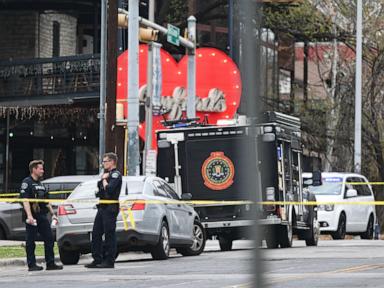
The FBI just closed a chapter on one of the most terrifying nights in recent Austin memory. Federal investigators confirmed that the suspect in the deadly shooting at an Austin bar acted entirely alone. There was no cell, no larger conspiracy, and no secondary threat lurking in the shadows of the city's nightlife. This "lone actor" designation changes how we view the tragedy and how the city moves forward with security in entertainment districts.
When a high-profile shooting happens, the immediate fear is often about a coordinated attack. People want to know if a specific group is targeting their community. The FBI probe, which pulled in local law enforcement resources and digital forensics, found that this individual wasn't taking orders from anyone. They weren't part of a network. While that provides some relief from a counter-terrorism perspective, it raises a much harder question. How do you spot a single person who decides to turn a night out into a crime scene?
Breaking Down the FBI Lone Actor Conclusion
The term "lone actor" isn't just a casual phrase. It's a specific classification used by the FBI and the Department of Justice to indicate that the perpetrator didn't receive material support or direction from a terrorist organization or a criminal group. In the Austin case, this finding followed an exhaustive review of the suspect's digital footprint, financial records, and personal associations.
Investigators looked for "pre-attack indicators." These are the small shifts in behavior or online activity that suggest someone is planning a violent act. For this suspect, the evidence pointed toward a personal breakdown or isolated radicalization rather than a team effort. This matters because it shifts the legal and investigative focus. We aren't looking for accomplices anymore. We’re looking at the breakdown of a single life and the gaps in the system that failed to catch the warning signs.
Austin has seen its share of growth-related pain, but this kind of violence feels different. It strikes at the heart of the city’s identity as a place where you can wander from bar to bar without looking over your shoulder. The FBI's clarity on the lone actor status helps squelch the rumors that usually fly around on social media after these events. No, there weren't multiple shooters. No, it wasn't a coordinated hit. It was one person with a weapon and a terrible plan.
Why Lone Wolf Scenarios Are a Security Nightmare
If you talk to security experts or former law enforcement, they'll tell you the same thing. Lone actors are the hardest to stop. When a group is involved, they talk. They send messages, they recruit, and they leave a trail that intelligence agencies can pick up. A single person who keeps their head down and their plans to themselves is nearly invisible until the first shot is fired.
Austin's Sixth Street and Rainey Street districts are open environments. They thrive on being accessible. That accessibility is also a vulnerability. Security at these venues usually focuses on crowd control, underage drinking, and breaking up the occasional fistfight. They aren't always equipped to handle a determined individual who isn't interested in a bar brawl, but in something much more permanent.
The FBI probe found that the suspect didn't have a history of high-level coordination. That’s a common thread in these cases. Usually, we see a history of social isolation or grievance-based anger. Honestly, that’s more frightening for the average citizen. It means the threat doesn't look like a movie villain. It looks like anyone else in the crowd.
The Role of Digital Forensics in the Austin Probe
The FBI didn't just walk through the bar and call it a day. They spent months on digital forensics. This involved scraping social media accounts, encrypted messaging apps, and even browser histories. They were looking for any sign of "instructional" content—manuals on how to carry out an attack or manifestos meant to inspire others.
In this case, the lack of a manifesto or a "claim of responsibility" from an outside group solidified the lone actor theory. It's a grim task for investigators. They have to inhabit the digital world of a killer to ensure no one else is waiting in the wings. For Austin, this means the threat was contained to that specific night and that specific individual.
Local Impact and the Shift in Austin Police Tactics
The Austin Police Department (APD) has been under the microscope for years regarding how they handle the downtown crowds. After this shooting and the subsequent federal findings, the pressure is on to change the "static" nature of security. You can't just have a cop standing on a corner anymore.
We’re seeing a push for more "roving" patrols and better integration with private security. Bar owners are being asked to do more than just check IDs at the door. They're being trained on "behavioral detection." It sounds like something out of a spy novel, but it’s basically just teaching staff to recognize when someone isn't there to have a good time. Are they scanning the exits? Are they wearing heavy clothing that doesn't match the weather? Are they acting erratic without being intoxicated?
- Increased Surveillance: The city is looking at expanding the HALO camera system.
- Better Communication: A direct line between bar security and APD dispatch to bypass the 911 queue.
- Weapon Detection Technology: Some high-volume venues are experimenting with AI-based scanners that don't require a full pat-down.
These steps aren't about turning Austin into a police state. They're about adapting to the reality that lone actors are a persistent risk in soft-target areas like entertainment districts.
The Reality of Public Safety in 2026
The FBI's conclusion doesn't bring back the lives lost, but it does provide a roadmap for the city's legal response. Since there's no larger conspiracy, the focus remains on the suspect's mental state and their access to the firearm used. It simplifies the prosecution but complicates the public's sense of safety.
People often think that a "lone actor" finding means the event was a fluke. That’s a dangerous way to look at it. It wasn't a fluke; it was a failure of intervention. Most lone actors leave "leakage"—bits of information shared with friends, family, or online strangers before they act. The FBI's report suggests that while this person acted alone in the execution, there were likely missed signals in the months leading up to the shooting.
Community safety isn't just about police. It’s about people being willing to report that one friend who seems to be "going off the deep end." It’s a tough sell in a culture that values privacy, but it’s the only real defense against someone who isn't on the FBI's radar yet.
What Happens Next for Austin
The suspect is facing the full weight of the Texas legal system. With the FBI's "lone actor" report in hand, prosecutors don't have to worry about complex conspiracy charges. They can focus on the direct evidence from the scene.
For you, the resident or the visitor, the takeaway is simple. Stay aware. The "Lone Star State" is dealing with the "Lone Actor" reality. The bars are still open, the music is still playing, but the "business as usual" approach to security is dead. If you’re heading out to Sixth Street or any of the major hubs, look for the exits. Notice the security presence. Don't be afraid to leave a place if the "vibe" feels off.
We often wait for a grand explanation for tragedy. Sometimes, there isn't one. Sometimes it's just one person who decided to cause pain, and no amount of federal investigation will ever make that make sense. The best we can do is harden the targets and keep our eyes open.
If you're a business owner in the area, your next step is a professional security audit. Don't rely on the city to keep your patio safe. Invest in high-definition cameras that actually work at night. Train your bouncers on more than just "no sneakers" rules. Public safety is a shared burden, and the FBI's report is a reminder that the threat can come from anywhere, at any time, with no warning at all. Stay sharp.