A plane carrying 25 people crashes with no survivors, and the immediate public reaction follows a predictable, exhausting script. Grief, candlelight vigils, urgent calls for regulatory oversight, and breathless speculation about mechanical failure or pilot error flood the airwaves. Yet, beneath the surface media churn lies a quieter, more unsettling reality. Aviation safety is built on a mountain of written blood. Every catastrophic hull loss carrying dozens of souls represents not a random act of atmospheric violence, but a systematic failure of multiple independent safety barriers simultaneously.
When twenty-five lives vanish in a remote descent or a sudden runway overrun, the subsequent investigation by authorities like the National Transportation Safety Board or international equivalents is rarely about finding a single smoking gun. Modern commercial and regional aviation is too redundant for one broken bolt or one distracted pilot to bring down a twin-engine turboprop or regional jet on its own. Instead, tragedies of this scale expose systemic vulnerabilities that linger in the blind spots of aviation oversight, maintenance loops, and human-automation interaction.
The Anatomy of a Regional Air Tragedy
Regional carriers and smaller aircraft operations inhabit a different operational universe than widebody transatlantic fleets. Margins are tighter. Turnaround times are relentless. Airports lack the category III instrument landing systems found at major international hubs, forcing pilots to rely more heavily on visual cues or older avionics suites.
When a flight with twenty-five occupants goes down, investigators immediately pull the flight data recorder and the cockpit voice recorder. But long before they decode the digital whispers of the final minutes, industry veterans are looking at the flight schedule, the maintenance logs, and the dispatch records. Was the crew fatigued? Did the dispatch office pressure the captain to launch into deteriorating weather because an alternate routing would blow the daily profit margin? These economic pressures rarely show up in the official probable cause summary, yet they form the invisible gravitational pull dragging aircraft toward the ground.
Consider the compounding effect of deferred maintenance items. Regulatory frameworks allow operators to defer certain non-essential equipment repairs for a specified number of flight hours. On paper, this is a sensible concession to mechanical reality; parts take time to ship. In practice, multiple deferred items can interact in ways the original equipment manufacturer never modeled during certification tests. A malfunctioning anti-ice valve paired with a degraded autopilot mode and a minor instrument calibration error creates a toxic cascade. By the time the crew realizes they are losing situational awareness, the envelope of recovery has already slammed shut.
The Human Element Versus Automation Dependency
We have designed flight decks so sophisticated that human pilots often transition from active operators to glorified system monitors. This shift introduces a insidious psychological trap. When everything functions normally, human attention drifts. When an unexpected emergency strikes—severe icing, unforecasted microbursts, or sudden electrical bus failures—the cognitive leap required to transition from passive monitoring to aggressive manual intervention takes critical seconds.
At two hundred and fifty knots, seconds translate into thousands of feet of lost altitude.
In smaller aircraft operating with a two-person flight deck, the loss of one pilot due to sudden incapacitation or distraction leaves an overwhelming cognitive load on the survivor. Programming flight management systems while hand-flying an aircraft through severe turbulence in IMC requires extraordinary mental bandwidth. When training programs emphasize box-checking and regulatory compliance over raw stick-and-rudder resilience, the baseline competency for emergency recovery degrades across an entire generation of flight crews.
The Regulatory Lag
Every major aviation safety mandate is written in grease and debris. The cockpit voice recorder mandate, the introduction of ground proximity warning systems, the mandatory adoption of traffic collision avoidance technologies—none of these arrived proactively. They were purchased through hull losses and post-accident coroner reports.
The regulatory apparatus moves at a glacial pace compared to the rapid evolution of airspace congestion and operational complexity. When a regional flight carrying twenty-five passengers suffers a catastrophic break-up, the regulatory response typically focuses narrowly on the specific aircraft type or operator involved, rather than addressing the broader structural cracks in regional commuter frameworks. We debate whether the de-icing boots were activated correctly, while ignoring the systemic shortage of experienced mechanics certified on aging airframes.
Accountability in aviation is rarely distributed evenly. Manufacturers point to operator training manuals. Operators point to Federal Aviation Administration approvals. Regulators point to manufacturer design standards. Meanwhile, families are left navigating a labyrinth of international treaties, liability caps, and opaque corporate structures that shield regional code-share partners from public scrutiny.
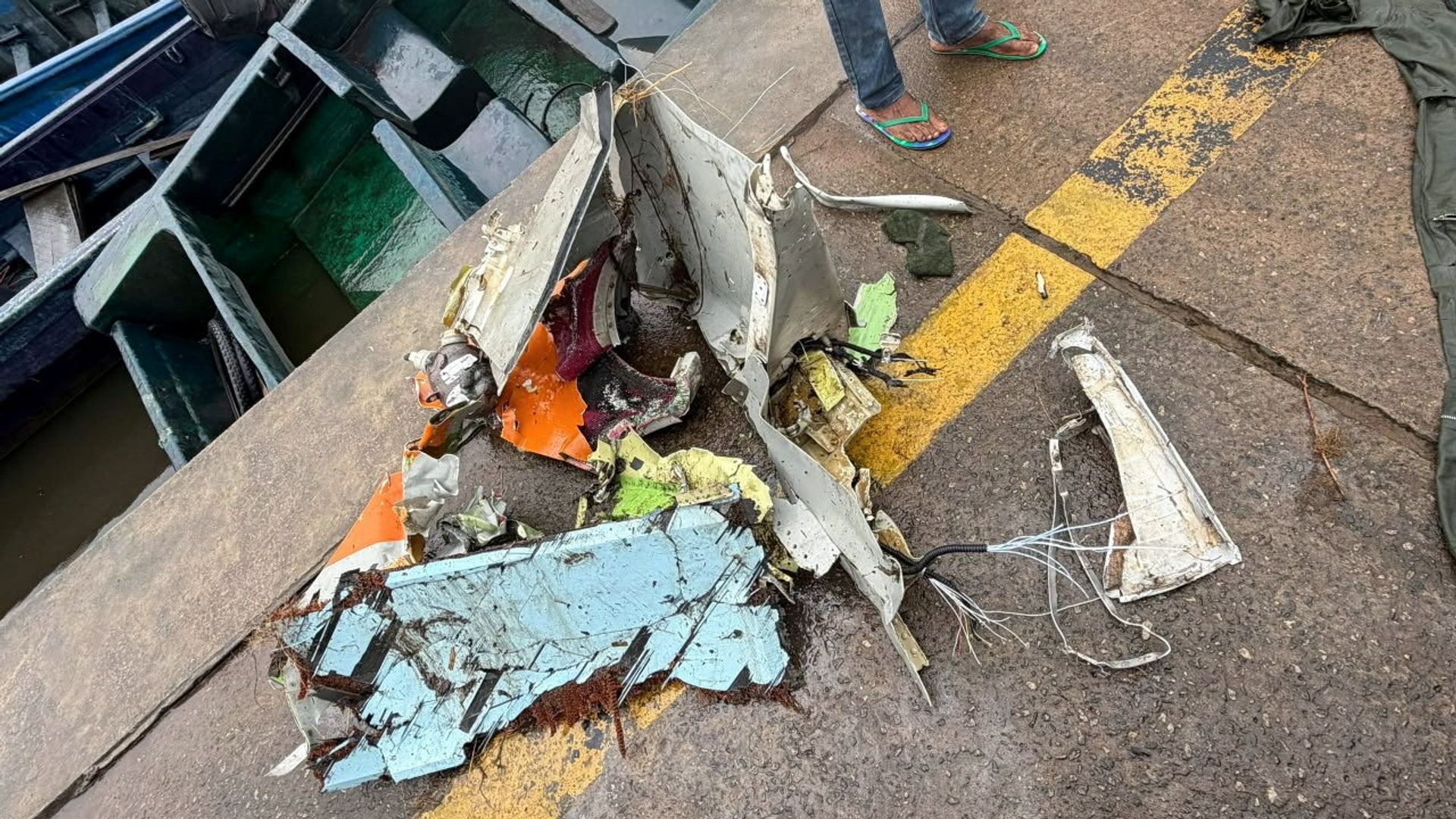
The wreckage is cleared within days. The fuselage pieces are laid out in a hangar grid, tagged, measured, and analyzed. The final report takes eighteen months to publish, by which point the public has moved on to the next breaking news cycle. But in the crew rooms and maintenance hangars, the lessons linger, waiting for the next time the margins vanish.
The twenty-five people who boarded that flight trusted an invisible architecture of safety that spans centuries of collective engineering. When that architecture fractures, the true cost is measured not just in the immediate silence of the crash site, but in the quiet erosion of public trust in the skies above.