The mainstream media is stuck in a predictable, exhausting loop. Every time violence spikes in the Levant, the talking heads trot out the same tired narrative: military strikes are a tragic disruption to the "real work" of diplomacy, and if we just pause negotiations, we can pressure bad actors back to the table.
This is backward. It misreads the mechanics of geopolitical leverage.
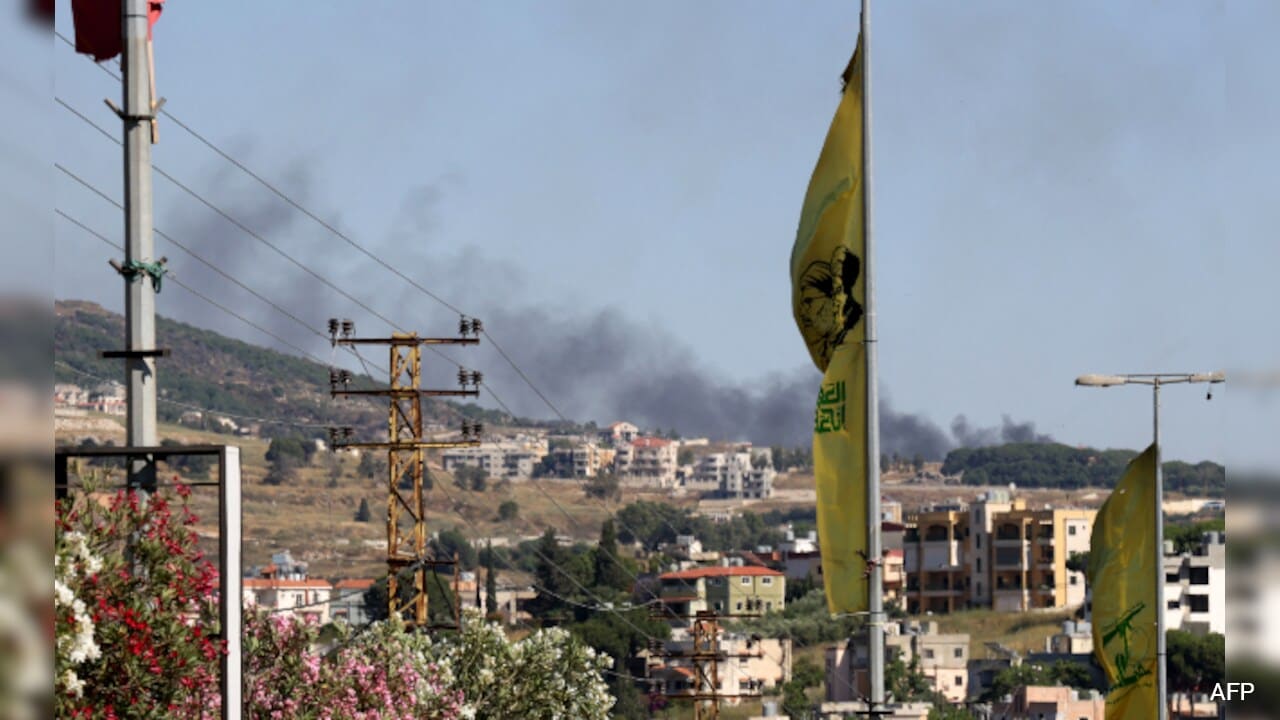
The latest reports detailing Israeli strikes in Lebanon alongside the postponement of US-Iran talks are being framed as a setback for peace. The consensus view suggests that halting talks penalizes aggression. In reality, delaying diplomatic engagement during an active kinetic conflict does not punish adversaries. It gives them a blank check. By tying the timeline of diplomacy to the chaotic rhythm of battlefield strikes, Western foreign policy has effectively handed veto power over peace to the most radical factions on the ground.
The Leverage Myth: Why Pausing Talks Always Backfires
The standard foreign policy playbook dictates that you do not reward escalation with engagement. When a proxy group strikes, or when a state actor retaliates, the immediate reaction from Washington is to "push back" scheduled summits. The logic appears sound on paper: signal displeasure, withhold the prize of legitimacy, and force the opponent to recalculate.
It is a strategy built on a fundamental misunderstanding of how revisionist powers operate.
For an actor like Iran, diplomacy is not a reward to be earned through good behavior. It is an instrument of statecraft used to manage pressure. When the US walks away from the table because of violence in Lebanon, it confirms to Tehran that its asymmetric strategy is working. Regional escalation is meant to dictate the terms and timing of Western attention. By retreating from negotiations every time a rocket is fired or an airstrip is bombed, the West lets regional proxy networks set the calendar.
I have spent years analyzing regional security frameworks and tracking the implementation of sanctions. The patterns are clear. When engagement ceases, the vacuum is never filled by moderation. It is filled by hardliners who point to the collapsed talks as proof that negotiation is a fool's errand.
Consider the mechanics of the Joint Comprehensive Plan of Action (JCPOA) fallout. The moment structural dialogue was replaced by unilateral pressure and diplomatic freezes, Iran's breakout time shrank, and its regional proxy alignment tightened. Pausing talks to show strength is actually an admission of diplomatic impotence.
Dismantling the Consensus on Regional Escalation
The public is constantly bombarded with flawed premises regarding Middle Eastern conflicts. Let us dismantle the three most prominent myths driving current editorial pages.
Myth 1: "Military pressure creates diplomatic openings."
This is the classic hawk fallacy. The argument states that if you hit a proxy network hard enough, their state sponsor will negotiate from a position of weakness.
The data contradicts this entirely. Decades of structural analysis by organizations like the International Crisis Group demonstrate that while targeted strikes can degrade short-term operational capabilities, they simultaneously stiffen political resolve. Escalation reinforces the internal narrative of the ruling elite in target states, allowing them to suppress domestic dissent under the guise of national defense. You cannot bomb an adversary into a mindset of compromise.
Myth 2: "De-escalation must precede negotiation."
This is the dove fallacy. It assumes that both sides must stop fighting before they can start talking.
History shows the exact opposite is true. The most enduring diplomatic breakthroughs—from the Dayton Accords to the back-channel negotiations that led to the Camp David framework—occurred while the conflict was actively raging. Waiting for the guns to fall silent before initiating talks means you will never talk. It gives any rogue commander with a mortar tube the ability to derail international security policy.
Myth 3: "Proxies act independently of state strategy."
Media coverage frequently treats groups in Lebanon, Yemen, and Iraq as disconnected entities operating in a vacuum.
They are part of an integrated, synchronized network. When strikes occur in Lebanon, it is not an isolated local event; it is a calculated chess move linked directly to the broader regional standoff. Treating these theaters as separate issues that can be solved sequentially is a recipe for strategic failure.
The High Cost of Diplomatic Absence
Let us be completely honest about the risks. Mainstream commentators love to champion relentless engagement as a risk-free virtue. It is not.
Diplomacy with an adversarial revisionist power carries massive domestic political costs. It risks alienating regional allies who view any dialogue with their chief rival as a betrayal. It can give an adversary breathing room to regroup, restructure their finances, and project legitimacy on the global stage while continuing to fund sub-state violence under the table.
But the alternative is demonstrably worse.
+-----------------------------------+-----------------------------------+
| Strategy: Diplomatic Freeze       | Strategy: Continuous Engagement    |
+-----------------------------------+-----------------------------------+
| • Adversaries dictate timeline    | • West maintains initiative       |
| • Hardliners gain domestic power  | • Creates friction in enemy elite |
| • Proxy networks scale up attacks | • Exploits internal economic pain |
| • Breakout timelines accelerate   | • Sets clear boundaries for text  |
+-----------------------------------+-----------------------------------+
When you freeze talks, you do not freeze the adversary's centrifuges. You do not freeze their missile production lines. You do not freeze the deployment of drones across regional borders. A diplomatic freeze is simply an optimization strategy for the adversary's military-industrial complex.
By refusing to sit in a room because of strikes in Lebanon, the West deprives itself of the only tool capable of creating structural friction within the adversary's decision-making apparatus. It leaves the field entirely to kinetic options, ensuring a cycle of action and reaction that inevitably expands the theater of war.
Flip the Script on Crisis Management
The current framework for handling Middle Eastern escalation is broken because it views diplomacy as a merit badge for good behavior rather than a weapon of strategic containment.
Stop waiting for the perfect, tranquil moment to negotiate. That moment does not exist in the real world. The most effective time to force an adversary to face hard choices is precisely when their regional architecture is under immense strain on the battlefield.
The US administration should not be pushing back talks because of violence in Lebanon. They should be accelerating them. Drag the adversary to the table while the costs of their regional strategy are compounding in real-time. Force them to defend their overextended positions under the harsh glare of direct diplomatic demands, rather than letting them hide behind the fog of a proxy war.
If you want to stop the strikes in Lebanon, you do not walk away from the table in Washington. You lock the door, sit down, and make the cost of staying outside unbearable. Everything else is just theater for the evening news.


