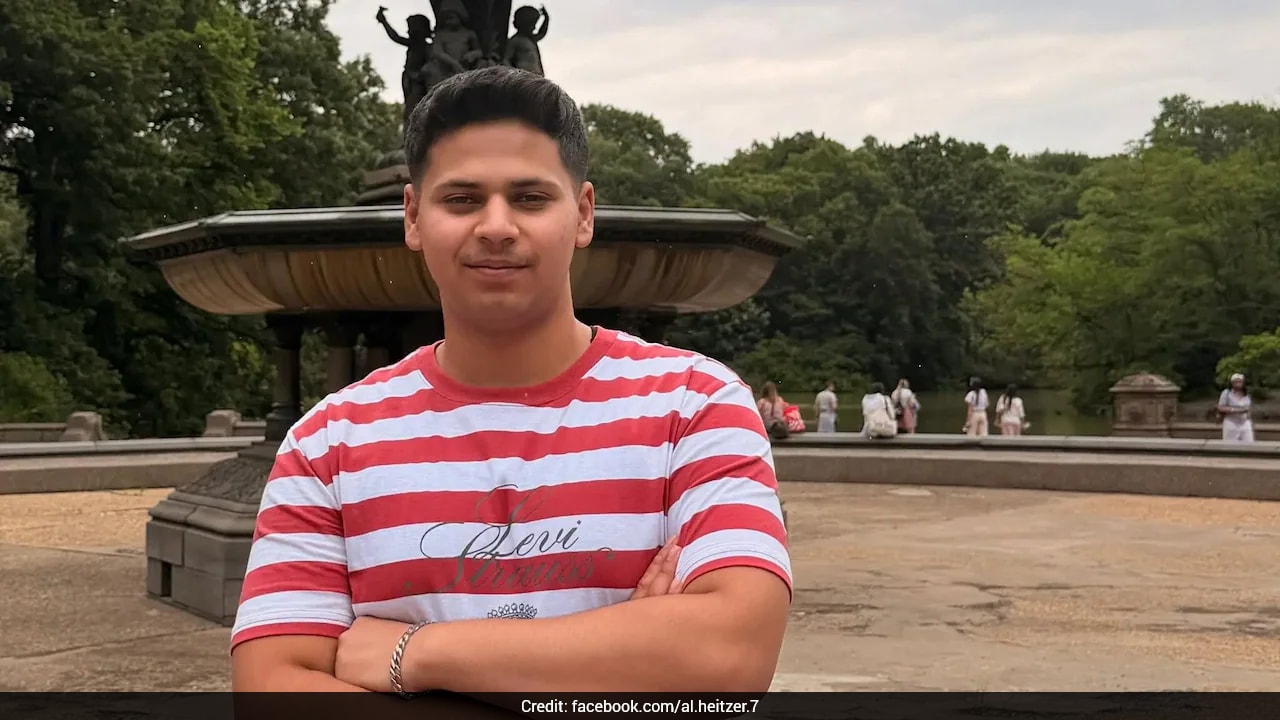
Mainstream news coverage of the tragic death of Romanch Mahajan follows a tired, predictable script. The media has immediately weaponized a family's unimaginable grief to fuel a decades-old political proxy war. On one side, animal welfare groups scream for an outright ban. On the other, labor unions bunker down to protect a century-old trade. Both sides are completely wrong, and their lazy consensus is actively obscuring the real culprit: a catastrophic failure of modern urban design.
The narrative surrounding the 18-year-old tourist's fatal accident has been reduced to a simple story of human error. A driver stepped away to take a photo, a horse bolted, and a tragedy occurred. It is easy to point fingers at an individual operator or declare an entire industry inherently evil. It requires zero intellectual effort.
The harder, more uncomfortable truth is that New York City officials have permitted a high-risk, multi-million-dollar tourism asset to operate in a hyper-congested environment with absolutely zero modern safety infrastructure.
The Myth of the Controlled Prey Animal
To understand why this tragedy was entirely predictable, you have to look at the mechanics of the environment. A carriage horse is a 1,200-pound prey animal. The current regulatory framework operates under the delusion that verbal commands and a leather rein are sufficient safety measures in a park crowded with electric bikes, high-speed pedicabs, and thousands of distracted pedestrians.
I have spent years analyzing municipal risk and public infrastructure management. In any other high-risk transport or heavy-machinery operation, relying solely on human behavior to prevent a catastrophe is considered a fatal design flaw. You design systems with physical fail-safes.
When a driver steps an arm's length away to take a photo at a scenic overlook like Cherry Hill, there is nothing holding that animal in place except habit. The Central Park Conservancy reported eight horse-related incidents over a 13-month span leading up to this accident. The data was screaming that the system was broken long before Wednesday afternoon.
Banning Is the Lazy Way Out
The immediate political reaction from city leaders is to push for Ryder's Law to ban the industry entirely. This is a classic political distraction technique. It allows administrators to look decisive without actually solving the underlying systemic issues of the park's layout.
Imagine a scenario where a city experiences a surge in pedestrian accidents involving delivery e-bikes. The solution isn't to ban bicycles; the solution is to build dedicated, protected infrastructure that separates conflicting modes of transit.
Banning the carriage industry does nothing to fix the chaotic, mixed-use failure that Central Park's loop has become. The park operates on an archaic model where horses, speeding amateur cyclists, motorized scooters, and tourists are all forced into the same tight asphalt channels.
The Solution Nobody Wants to Fund
If New York City actually cared about visitor safety rather than scoring cheap political points on social media, the focus would shift immediately to physical infrastructure.
- Automated Hitching Posts: Major tourist photo stops should have been equipped with heavy-duty, automated mechanical tethers decades ago. If a driver wants to step down to take a family photo, the carriage must be physically locked into a ground anchor that a bolting horse cannot move.
- Grade Separation: Horse carriages should not share space with mechanized or high-speed recreational transit. Restricting carriages to dedicated, physically buffered tourist lanes would eliminate the sensory triggers that cause horses to bolt.
The downside to this contrarian approach is obvious: it costs money, requires structural construction, and forces the city to redesign portions of a landmarked park. It is far cheaper for politicians to hold a press conference, blame a suspended driver, and try to wipe out a historic industry than it is to actually fix the park's broken infrastructure.
Stop asking whether horse carriages belong in the modern world. Start asking why the richest city in the world refuses to build the basic safety infrastructure required to keep its visitors alive.


