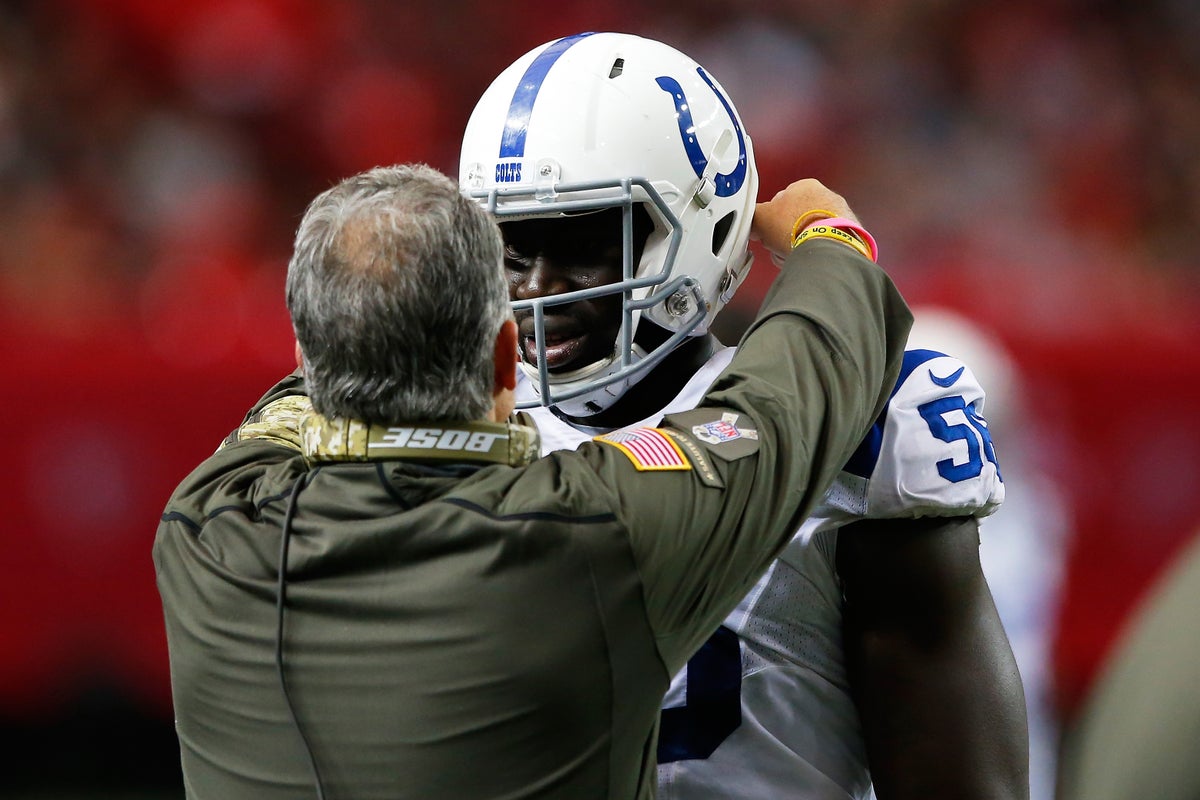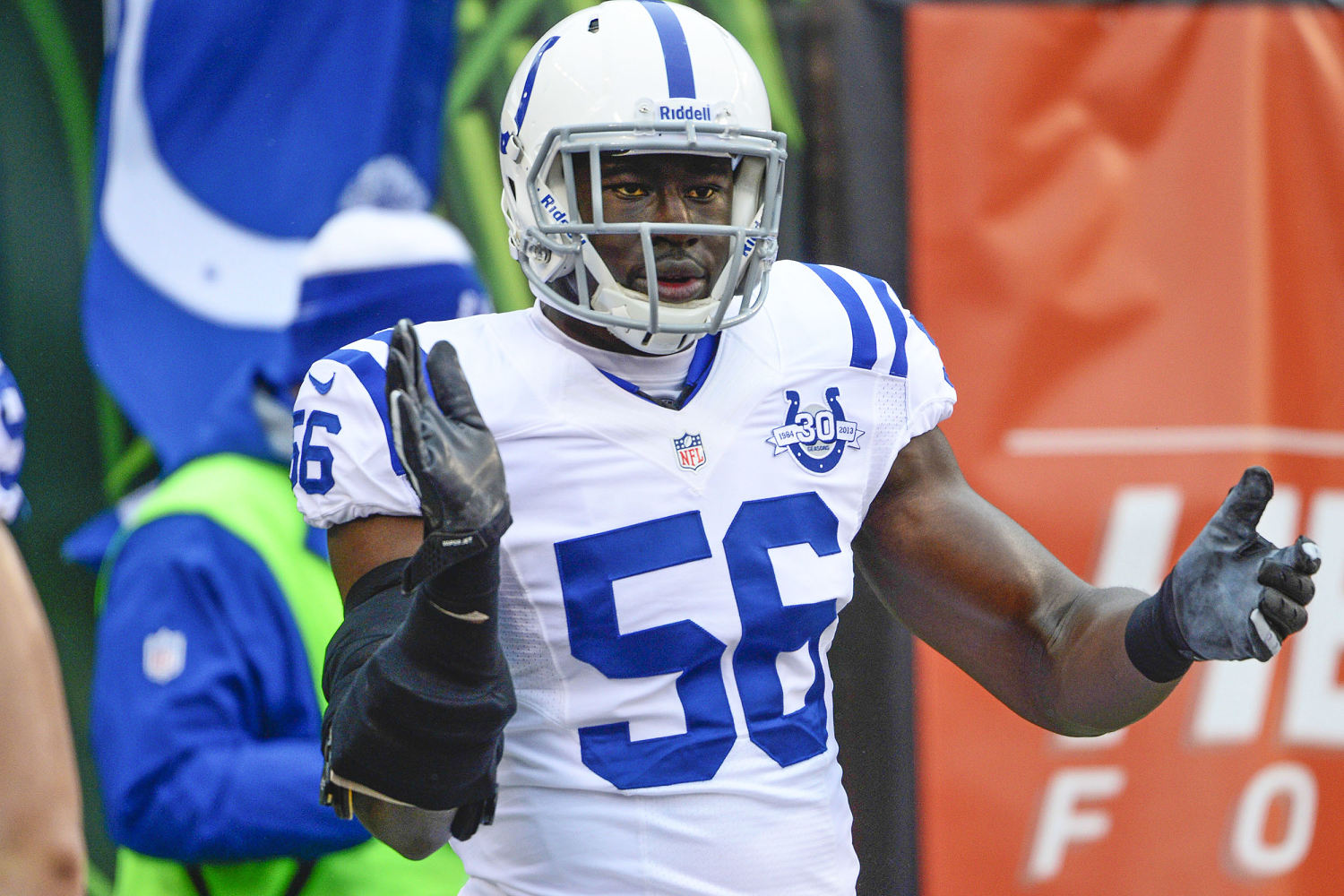
The stadium lights are a specific kind of violent white. They hum with a current that vibrates straight through the skull, casting sharp shadows over six feet and five inches of sculpted muscle. In 2013, Daniel Adongo stood under those lights in Indianapolis as something entirely unprecedented. The first Kenyan-born player in the history of the National Football League.
Think about the sheer improbability of that arc. Nairobi to South African rugby academies, across oceans and sporting codes, leaping straight into the most brutal arena of American sport. He was an athletic experiment. A raw, bruising specimen signed by the Colts to test whether elite rugby instincts could translate to the gridiron. For a fleeting moment, he was the embodiment of boundless potential.
Then the lights went out.
Careers in the professional ranks do not always end with confetti. More often, they terminate in quiet phone calls, empty lockers, and a sudden, terrifying vacuum. By 2015, Adongo's time with the Colts was over. Five career games played, mostly running down kicks on special teams. Just like that, the high-wire act of professional athletics ceased, leaving behind a young man untethered in a foreign country.
What happens when the stadium empties and the applause dies down?
For Adongo, the years that followed became a slow-motion unraveling. His visa expired in 2016. He stayed. Invisible to the system at first, drifting through the suburbs of Indiana as the calendar pages turned. But the margin for error vanishes when the uniform comes off.
Over the next decade, the record shows a disturbing descent. Arrests accumulated like debris. Felony intimidation, battery, disorderly conduct. The private turbulence of a life coming undone spilled into public view. By 2020, the courts caught up. A conviction for criminal mischief resulting in property damage. A 364-day sentence in an Indiana jail.
The descent was no longer a private tragedy. It was a legal trajectory.
Consider the machinery of the modern state. When federal priorities shift and new statutes take effect, the past is pulled into the harsh light of the present. Under the Laken Riley Act—which mandates the detention of non-citizens facing certain criminal accusations or convictions—Adongo's status transformed entirely. No longer just a former athlete navigating personal demons, he became a priority for immigration enforcement.
In March, a Department of Justice immigration judge ordered his removal. On June 20, U.S. Immigration and Customs Enforcement agents carried it out, putting a definitive end to his American chapter from a facility in Chicago.
"This dangerous individual was clearly a threat to the community," ICE Chicago Assistant Field Office Director Douglas Thompson stated, drawing a hard line across the narrative. "Those who violate immigration law are held equally accountable, including former professional athletes."
The institutional verdict is clinical, absolute, and finalized. Yet, looking at the broader picture reveals shadows that paperwork cannot capture. Friends, family, and legal advocates have raised quiet, urgent questions regarding his mental state and the hidden toll of repeated head trauma inherent in high-impact contact sports. Rugby collisions combined with NFL hits leave marks that do not always show up on an X-ray, altering behavior and fracturing minds long after the final whistle.
The Department of Homeland Security does not weigh concussions when enforcing visa overstays. The law reads black and white. Expired documentation plus criminal convictions equals removal. The dual realities—accountability for unlawful actions and the tragic vulnerability of a broken athlete—exist simultaneously, refusing to resolve into a comfortable conclusion.
Now, at thirty-seven, Adongo returns to Kenya. Far from the roaring crowds of Lucas Oil Stadium, far from the blinding white lights of the American Sunday, he steps back onto the soil he left as a teenager chasing an impossible dream. The history books will forever record him as a pioneer. But history is cold comfort when the game is over, the country is lost, and the stadium doors are locked for good.
Samuel Kangethe is one of thousands of immigrants who is self-deporting
This video provides context on the difficult choices and realities faced by long-term immigrants navigating shifting U.S. immigration policies and enforcement pressures.
http://googleusercontent.com/youtube_content/1