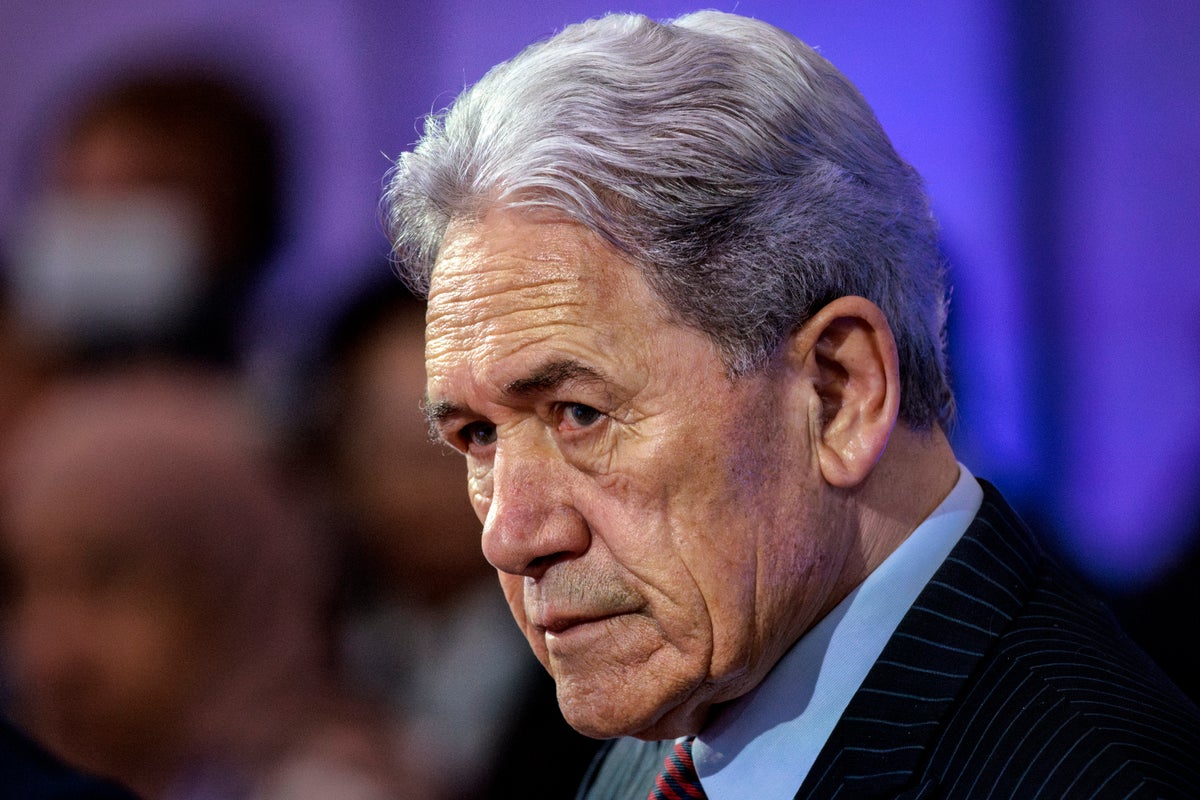
Another week, another manufactured political meltdown in Wellington. A New Zealand cabinet minister drops a clumsy, xenophobic-adjacent line telling a Chinese-origin opposition MP to go back to where they came from, the Twitter mob starts hyperventilating about systemic racism, and the media treats the incident like a constitutional crisis.
Everyone is playing their scripted roles. The left demands immediate resignations. The right offers half-baked apologies about heated parliamentary debate. Pundits pen thousand-word columns about the soul of the nation.
It is entirely performative noise, and it is blinding everyone to how political theater actually weaponizes identity to protect bad policy.
I have spent years watching political communications teams spin minor rhetorical gaffes into multi-day national emergencies. It is a brilliant distraction technique. When a government is floundering on economic metrics, healthcare delivery, or housing infrastructure, nothing rescues a poll number quite like a cultural proxy war.
The Lazy Consensus on Casual Xenophobia
The standard narrative writes itself. A politician uses a nativist trope. Therefore, the institution of parliament is rotten with bigotry, and the targeted minority is unsafe.
This argument relies on a lazy conflation between personal bad manners and systemic oppression. Words matter, yes. But treating every xenophobic insult as proof of an ongoing civil rights emergency dilutes the term until it loses all diagnostic power.
When a politician tells a colleague to go home, it is obnoxious, tribalist, and small-minded. It is the political equivalent of shouting at another driver in traffic. But elevating it to a referendum on national multiculturalism treats voters like infants who cannot distinguish between institutional discrimination and garden-variety political mudslinging.
Worse, it lets politicians off the hook. Every hour spent debating whether a parliamentary insult crossed the line into hate speech is an hour not spent debating actual legislative incompetence.
The Weaponization of Victimhood in Modern Parliaments
Let us look at the mechanics of how this game is played from the inside.
When an MP from an ethnic minority is targeted with a crude remark, two things happen instantly. First, the targeted politician gains a temporary moral high ground and a surge of sympathetic media coverage. Second, the ruling party gets dragged into a defensive crouch where every policy defense sounds cold and defensive.
This creates a perverse incentive structure. In modern politics, being a victim of bad behavior is currency. It commands attention, silences internal dissent, and shuts down policy critique. If you question the economic arguments of an MP who has just been subjected to racist abuse, you are immediately painted as an accomplice to the abuse.
This is intellectually bankrupt. It creates a protected class of ideas that cannot be scrutinized because the messenger belongs to a demographic group that was recently insulted.
Real representation does not mean treating minority politicians like fragile ornaments who require institutional shielding from insults. Real representation means treating them as full-contact political combatants who can take a punch and dish one back without needing the Speaker of the House to act as a nursery school teacher.
What the Media Misses About Nativism in Settler Nations
New Zealand, like Australia, Canada, and the United States, is a settler-colonial state built on waves of migration. Nativism is our original sin, baked into our zoning laws, our labor markets, and our immigration quotas.
Yet, mainstream commentary insists on treating xenophobic outbursts as isolated anomalies rather than predictable symptoms of a society built on competing identity claims. Every time an old-school politician drops a nativist slur, commentators act shocked that the past is still present.
The truth is much more cynical. Nativism is a fallback mechanism for politicians who feel losing control of cultural demographics. As traditional power structures shift and second- and third-generation citizens take over the machinery of the state, the old guard panics. They lash out with tribal language because their substantive arguments have expired.
Getting hysterical over their vocabulary misdiagnoses the disease. The problem is not that some aging MP has archaic views on citizenship. The problem is that our political system rewards tribal grievance over competence.
The Cost of Perpetual Offense Culture
Here is the downside of my approach, because intellectual honesty requires acknowledging it: when we brush off casual xenophobia as mere political noise, we risk normalizing low-grade hostility against everyday citizens who do not have the platform or security of a parliamentary salary.
An immigrant working a night shift who hears "go back to your country" experiences real fear and isolation. An MP sitting in the chamber can call a press conference, raise campaign funds off the backlash, and dominate the evening news cycle. Conflating the two is a category error.
By treating elite political squabbles as national trauma, we exhaust the public empathy reserves. When actual hate crimes happen or severe civil rights violations occur, the public is already fatigued from screaming about a bad sentence uttered during Question Time.
Stop Policing Tone and Start Scrutinizing Power
If you want to fix political discourse, stop demanding sensitivity training for politicians. Sensitivity training is corporate HR theater designed to protect institutions from lawsuits, not to change human behavior.
Instead, look at what the outrage is covering up.
Whenever a cultural controversy dominates the headlines for forty-eight hours, check the order paper. Look at what bills were quietly introduced while everyone was arguing about parliamentary etiquette. Look at which regulatory approvals were signed off without scrutiny. Look at which economic forecasts were quietly downgraded.
The politicians dropping xenophobic cliches are often the most politically incompetent, relying on cultural panic to obscure their lack of vision. The politicians manufacturing outrage over those cliches are often using identity politics as a smoke screen for their own policy stagnation.
The next time a politician says something appalling and the entire media ecosystem loses its mind, do not take the bait. Look past the pearl-clutching. Ask yourself who benefits from keeping the public divided over manners while the material conditions of the country continue to rot.
Stop treating parliament like a finishing school. It is an arena for power. And until we start treating it that way, we will keep getting the government we deserve.