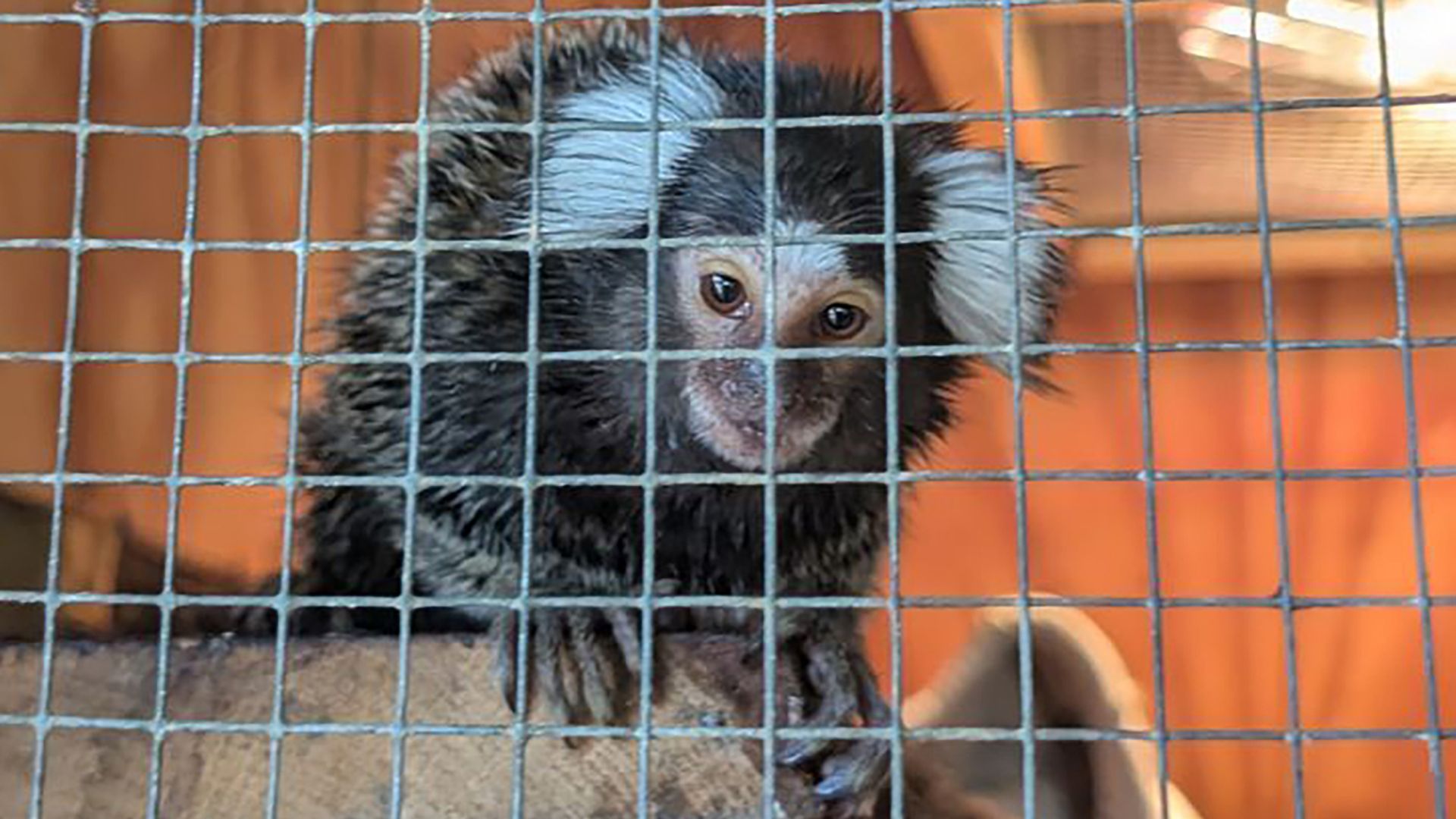
A monkey left inside a zipped laundry bag on a city bus sounds like a fever dream or a bizarre urban legend. It isn't. Rescuers and animal welfare officers regularly encounter exotic animals dumped in public spaces, from subway platforms to public park benches. When passengers noticed a twitching duffel bag abandoned under a bus seat, they expected a forgotten gym kit or a stray kitten. Instead, they unzipped a full-blown wildlife crisis.
The illegal pet trade is breaking under its own weight, and everyday commuters are left dealing with the fallout.
The Reality Behind Abandoned Exotic Pets
People buy non-human primates, exotic reptiles, and wild felines because they want something cool or unique. They buy them off unverified online marketplaces or sketchy local dealers without doing an ounce of research. Within six months, reality sets in. Wild animals aren't domesticated dogs. They bite. They carry diseases. They destroy furniture, require specific ambient temperatures, and demand specialized diets that cost hundreds of dollars a month.
When the owner realizes they're completely out of their depth, panic kicks in. Surrendering an illegal or unregulated pet to a local shelter often means risking hefty fines or criminal charges. Fear drives these owners to make reckless choices. They pack the animal into a backpack, a cardboard box, or a laundry bag, board a public bus, and walk away at the next stop.
It's cruel. It's cowardly. And it's happening way more often than public officials care to admit.
Why Local Shelters Struggle to Handle Wild Animals
Standard animal shelters are built for cats, dogs, and maybe the occasional rabbit. They don't have the specialized facilities, veterinary staff, or secure enclosures required to care for a distressed primate or a dangerous reptile.
When a transit driver calls in a bizarre discovery, the response chain gets messy real quick.
- Local animal control officers get dispatched, often lacking proper handling equipment for non-domesticated species.
- The animal must be temporarily quarantined to check for zoonotic diseases like herpes B, tuberculosis, or rabies.
- Rescuers scramble to contact specialized wildlife sanctuaries that are almost always operating at maximum capacity.
- Legal investigations stall because public transit buses rarely have clear footage of the exact moment a small bag gets tucked under a seat.
Sanctuaries spend tens of thousands of dollars rehabilitating a single abandoned primate. These animals often arrive severely malnourished, traumatized, and suffering from metabolic bone diseases caused by improper light and poor diets. The financial burden falls almost entirely on non-profit organizations and private donors, while the original owners walk away without a scratch.
How Illegal Pet Ownership Endangers the Public
Leaving a wild animal on public transit isn't just an act of animal cruelty—it's a serious public safety hazard. A panicked monkey trapped in a tight, dark bag can bite through fabric in seconds. Primates carry bacteria and viruses that transfer easily to humans, posing severe infection risks to curious bystanders or unsuspecting transit workers who open the bag.
Beyond the immediate health hazards, exotic species pose a ecological threat if they escape into local ecosystems. Non-native species can quickly become invasive, destroying local wildlife populations and disrupting local habitats.
What You Should Do If You Spot an Abandoned Animal
If you ever find a closed bag, crate, or box that appears to contain a live animal on a train, bus, or public bench, don't try to play hero.
- Do not open the container yourself. A frightened animal will bite, scratch, or bolt directly into traffic.
- Alert the transit operator or station staff immediately so they can clear the area and pause transit service if necessary.
- Call local animal control or emergency services right away. Give them exact location details, vehicle numbers, and a description of the container.
- Keep a safe distance and discourage other commuters from getting close or poking at the bag.
Reporting suspicious behavior on public transit saves lives. If you see someone abandon a suspicious package or container and immediately exit the vehicle, take note of the time, the bus route number, and any physical descriptions of the individual to help law enforcement trace the offender.