Every summer, the media machine rolls out the exact same tired script. The mercury climbs, southern Europe bakes, smoke fills the sky over the Mediterranean, and headlines scream about unprecedented climate forces turning the continent into a tinderbox. The lazy consensus points an accusing finger strictly at rising ambient temperatures and carbon emissions, treating every charred acre as a direct, unvarnished symptom of atmospheric warming.
It is a convenient narrative. It is also fundamentally incomplete.
Blaming climate change entirely for Europe's wildfire crisis is like blaming gravity for a plane crash because it pulled the wreckage down. Gravity is a constant condition, not the root cause. The lazy narrative ignores the administrative, ecological, and cultural failures happening right on the forest floor. Europe is not simply burning because it is getting hotter; it is burning because centuries of traditional land management have been replaced by passive, paralyzing bureaucratic neglect.
The Myth of Pristine Wilderness
Ask any mainstream environmental pundit what is driving the blazes, and they will recite the standard catechism: heatwaves dry out the soil, lower humidity turns trees into powder, and fires follow. While thermodynamic principles are real, this explanation treats European forests as fragile museum exhibits that simply react to the weather.
This view misunderstands European ecology. Much of the Mediterranean landscape is not ancient, untouched wilderness. It is a cultural artifact shaped by millennia of human intervention, grazing livestock, and intentional, controlled burning.
When rural depopulation accelerated over the past several decades, millions of hectares of pastoral land and managed woodland were abandoned. Rural communities dwindled. Traditional shepherds, who kept undergrowth suppressed with flocks of goats and sheep, disappeared.
What replaced them? Well-meaning urban conservation policies that criminalized active management under the banner of protecting nature. By locking these landscapes away and adopting a strict policy of total fire suppression, bureaucrats engineered a catastrophic ecological trap.
Imagine a scenario where you never take out the trash in your kitchen, choosing instead to pack it tighter and tighter into the bin while spraying air freshener to mask the smell. That is modern European forestry policy. Decades of uncollected deadwood, dense brush, and overgrown shrubs accumulated into continuous fuel ladders. When a spark finally hits, the fire does not merely burn; it annihilates.
Weather Whiplash is a Symptom, Not the Dictator
The current obsession with weather whiplash—the violent swing from a wet, rainy winter that spurs heavy vegetation growth to an intense early-summer drought that bakes that growth into fine fuel—is technically accurate, but strategically misleading.
Yes, the atmosphere is acting like an expanding sponge, pulling moisture out of soils and plants with ruthless efficiency. But a dry sponge only burns if someone drops a match on it.
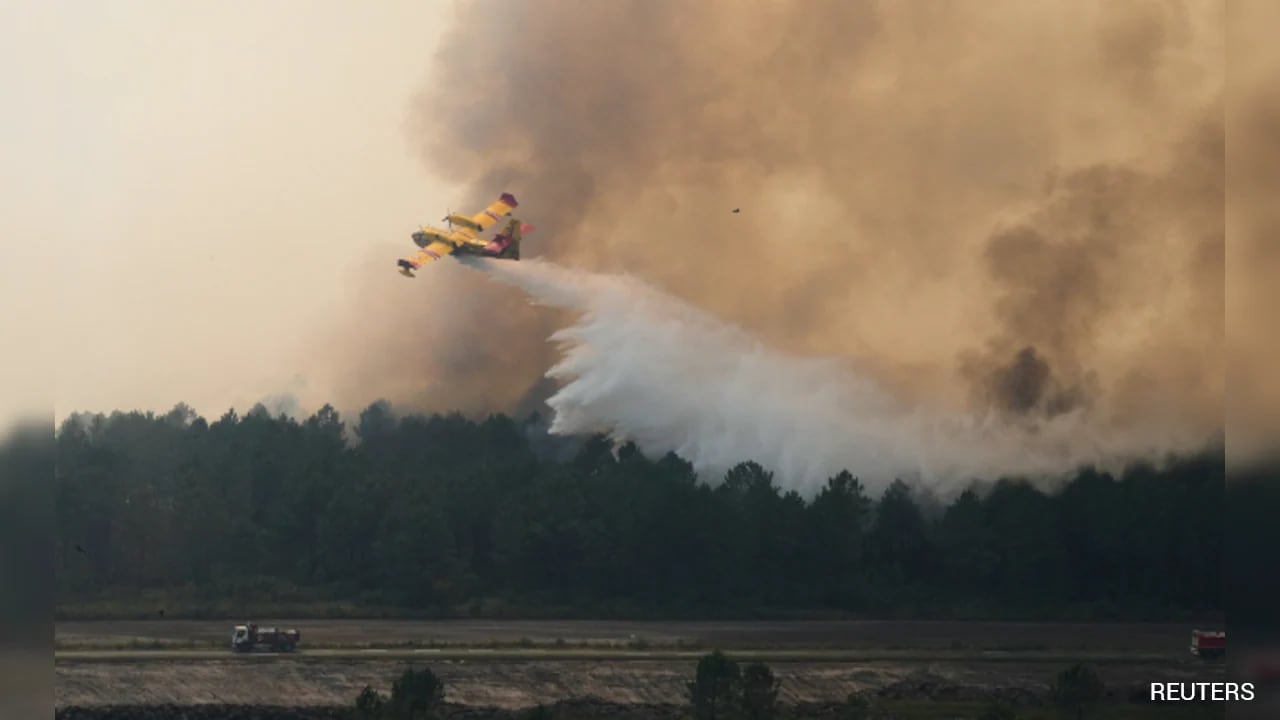
The data reveals a stark reality: climate establishes the ignition potential, but human choices dictate the outcome. Look at countries that have shifted toward aggressive, localized fuel-load reduction versus those relying purely on aerial water-bombing fleets. Air tankers are glamorous theater. They make great television footage. They also arrive after the canopy has already caught, serving as an expensive band-aid for structural incompetence.
Throwing millions of euros at bigger firefighting aircraft while refusing to clear underbrush or permit controlled burns is like buying a larger fire extinguisher for a house wired with frayed, sparking electrical cords.
The Economics of Neglect
Let us talk about the economic incentives governing European land management. I have seen municipal budgets bloated with emergency response funds while preventive maintenance accounts starve.
There is political capital in flying over charred valleys in a helicopter with a furrowed brow, promising emergency relief funds. There is very little short-term political reward in spending money quietly on local goat herders, mechanical thinning crews, and winter prescribed burns. Prevention is invisible when it works. Catastrophe is hyper-visible when it happens.
Consequently, regional authorities perpetuate a cycle of crisis management. They wait for the heatwave, mobilize the civil protection mechanisms, evacuate hundreds of thousands of people, and then act surprised when next summer brings the exact same devastation.
The Uncomfortable Prescription
If Europe wants to stop watching its southern flank turn to ash, it has to abandon its romanticized, hands-off approach to ecology. Nature does not reward sentimentality.
The path forward requires radical decentralization. Local populations must be incentivized to return to the land. Traditional agroforestry, intensive grazing, and strategic logging must be reintroduced not as heritage hobbies, but as critical national security infrastructure. Forests must be treated as working landscapes that require active, aggressive human intervention to remain stable.
Stop waiting for the climate to cooperate. It will not.