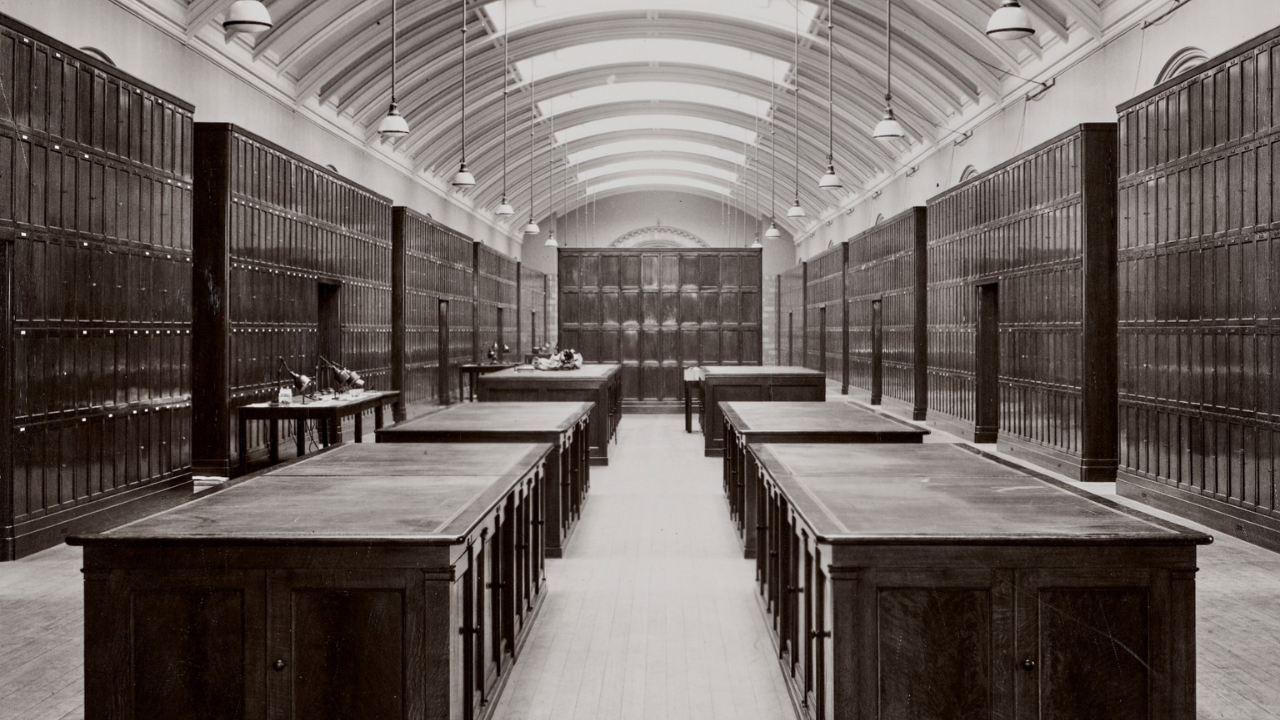
An 80-year wait just ended in London, and somehow the biggest headline isn't the priceless Victorian silverware or the centuries-old porcelain. It's a tiny plastic figure from a galaxy far, far away.
Honestly, people love a good pop culture hook. When the Victoria and Albert Museum—specifically its newly transformed Young V&A in Bethnal Green, or the newly reopened historic galleries across London's museum circuit—puts something recognizable behind museum glass, the internet loses its mind. You've probably seen the headlines circulating about a London museum gallery reopening after eight decades of closure, complete with a vintage Star Wars toy sitting right alongside genuine historical artifacts.
Here's the problem with most of the coverage you'll read. Journalists treat the Star Wars figure like a cheap gimmick to get clicks. They frame it as a quirky contrast between "serious history" and "silly plastic toys." That's completely backwards. If you actually understand how museum curation works, putting a Kenner Luke Skywalker or a vintage stormtrooper next to 19th-century artifacts isn't a publicity stunt. It's the entire point of modern design history.
Why It Took 80 Years to Open the Doors
Eighty years is a staggering amount of time for any public space to sit dark. To put that timeline into perspective, when these gallery spaces originally closed their doors during the mid-20th century, World War II was reshaping the physical map of London.
During the Blitz and the immediate post-war years, London's major institutions—from the V&A in South Kensington to its sister branches in East London—had to evacuate collections, board up skylights, and repurpose exhibition halls for wartime storage and administrative offices. Once a gallery space gets converted into back-of-house storage or staff offices, getting it back takes decades of political willpower and millions of pounds in structural restoration.
You don't just sweep the floors and turn the lights back on. Historic London buildings suffer from outdated wiring, fragile plasterwork, asbestos remediation needs, and strict heritage listing rules that make installing modern climate control a logistical nightmare. Every square inch has to be approved by conservation architects before a single display case gets bolted to the floor.
So when a gallery finally reopens after an eight-decade hiatus, curators aren't just filling empty shelves. They're making a deliberate statement about what matters right now.
The Real Story Behind the Star Wars Toy
Let's talk about that Star Wars artifact, because calling it an "ancient Star Wars toy" is half-joke, half-truth. In museum terms, anything from the late 1970s is already pushing fifty years old. For a kid walking through a London gallery today, 1977 might as well be the Victorian era.
When George Lucas released the original film, nobody expected the merchandise to become more culturally persistent than the movie's box office records. Kenner famously couldn't even manufacture the action figures in time for Christmas 1977, selling empty cardboard "Early Bird Certificate Packages" instead. Those original 3.75-inch molded plastic figures changed industrial design, toy manufacturing, and global licensing forever.
I've spent years looking at how major British institutions—especially the V&A, which holds the UK's national collection of childhood objects—decide what earns a spot in a permanent display. Curators don't pick a Star Wars figure because they ran out of Roman coins. They pick it because industrial plastic molding from the late 1970s tells the exact same story about human craftsmanship and mass production as a 19th-century tinplate train.
Think about what a child actually holds when they pick up one of those early figures. You're looking at:
- Early injection-molding techniques that dictated how limbs could bend (five points of articulation, stiff and blocky).
- Paint applications that frequently rubbed off within weeks of backyard play, showing real physical wear that historians call "object biography."
- Packaging design that shifted retail psychology from selling individual toys to selling entire collectible ecosystems.
A pristine, mint-in-box toy tells you about a collector who never played with it. A scuffed, slightly faded Star Wars figure with a missing vinyl cape tells you about an actual kid living in Britain in 1978. Museums crave that second kind of object.
What Curators Actually Do When Building a Comeback Gallery
Most visitors walk past a glass vitrine in four seconds flat. Curators know this, which is why reopening a space after 80 years requires rethinking how objects talk to each other.
If you group objects strictly by date, you end up with boring rows of identical-looking things. Old pottery next to slightly newer pottery. Tin soldiers next to slightly different tin soldiers. Nobody remembers that five minutes after leaving the gift shop.
Instead, contemporary London curators use thematic juxtaposition. By placing a late-20th-century sci-fi action figure in a newly restored historic gallery, they force your brain to make a connection you wouldn't otherwise make. Suddenly, you start noticing how the sculpted folds on a plastic Jedi robe mimic the drapery on classical porcelain figurines two cases over. You see how both items were mass-produced for middle-class households using the peak manufacturing technology of their respective eras.
It's a clever trick, and frankly, it works. Parents stop to point out the toy they had when they were eight years old. Kids lean in because they recognize the character from modern streaming shows. Once both generations are standing still in front of the case, they actually read the wall text explaining the history of the room itself.
The Trap of Nostalgia Bait
There's a fine line between smart curation and cheap nostalgia bait, and plenty of museums get it wrong. You've probably been to exhibitions that slap a few 1980s lunchboxes on a plinth, play some synth-pop over the speakers, and charge twenty quid at the door without offering any real historical context.
That's lazy. Nostalgia without analysis is just a flea market with better lighting.
What separates a serious London museum reopening from a pop-up tourist trap is provenance and preservation. Conservators treat a 1970s PVC action figure with the exact same scientific rigor they apply to a Tudor tapestry. Early plastics are notoriously unstable—they off-gas, degrade, turn sticky, and leach plasticizers over time. Keeping an original Kenner figure intact under gallery lighting requires strict lux-level monitoring and humidity control so the plastic doesn't literally crumble into dust over the next fifty years.
Why London Museums Are Betting Big on Pop Culture
If you've visited London's museum district lately, you've noticed a massive shift in how these institutions use their floor space. Competition for foot traffic is brutal. Even with free general admission at national museums across the UK, institutions have to justify their public funding and attract diverse local audiences, not just international tourists ticking boxes off a guidebook.
Reclaiming dead space—like galleries shuttered since the 1940s—is the smartest way to expand without building expensive new wings from scratch. Look at the broader trend across the city:
- Uncovering hidden architecture. Stripping away false ceilings and 1960s partition walls reveals original Victorian brickwork, terrazzo floors, and natural daylight that architects designed a century ago.
- Democratizing collections. Bringing toys, video games, sneakers, and everyday household electronics out of deep storage validates the lived history of working- and middle-class Londoners.
- Creating multi-generational hooks. A gallery that appeals simultaneously to architecture buffs, history nerds, and Star Wars fans gets triple the organic word-of-mouth coverage.
Some traditionalists hate this approach. Every time a British museum puts a comic book, a vinyl record, or a plastic space toy on display, a handful of critics complain that institutions are "dumbing down" culture. They argue that museums should remain temples of high art and ancient antiquities.
They're missing the point entirely. High art didn't exist in a vacuum, and today's everyday mass-market toys are tomorrow's archaeological record. Two hundred years from now, historians won't just study 20th-century oil paintings to understand how we lived. They'll study the mass-produced plastic mythology we put in our kids' hands.
How to Actually Experience These Reopened Spaces
If you're planning to visit London and check out these newly accessible galleries, don't treat it like a quick photo op just to snap a picture of the Star Wars display for social media. You'll miss the best parts of the restoration.
Look up before you look into the display cases. When a room has been closed for 80 years, the ceiling, cornices, and window frames are usually the real stars of the show. Notice where modern conservationists left old wartime scars or historic paint layers visible rather than covering everything in sterile white drywall.
Read the accession numbers on the object labels. Those tiny codes tell you when the museum acquired the item. You'll often discover that a pop culture toy sitting in a brand-new 2026 display was actually donated to the museum thirty years ago and has been sitting in a climate-controlled warehouse in West London waiting for the right gallery space to finally open.
Skip the weekend midday rush if you can. Go on a weekday morning right when the doors unlock at 10:00 AM, head straight to the newly reopened wing before the school groups arrive, and take ten quiet minutes to see how 80 years of architectural history and a tiny piece of plastic cinema history sit side by side.