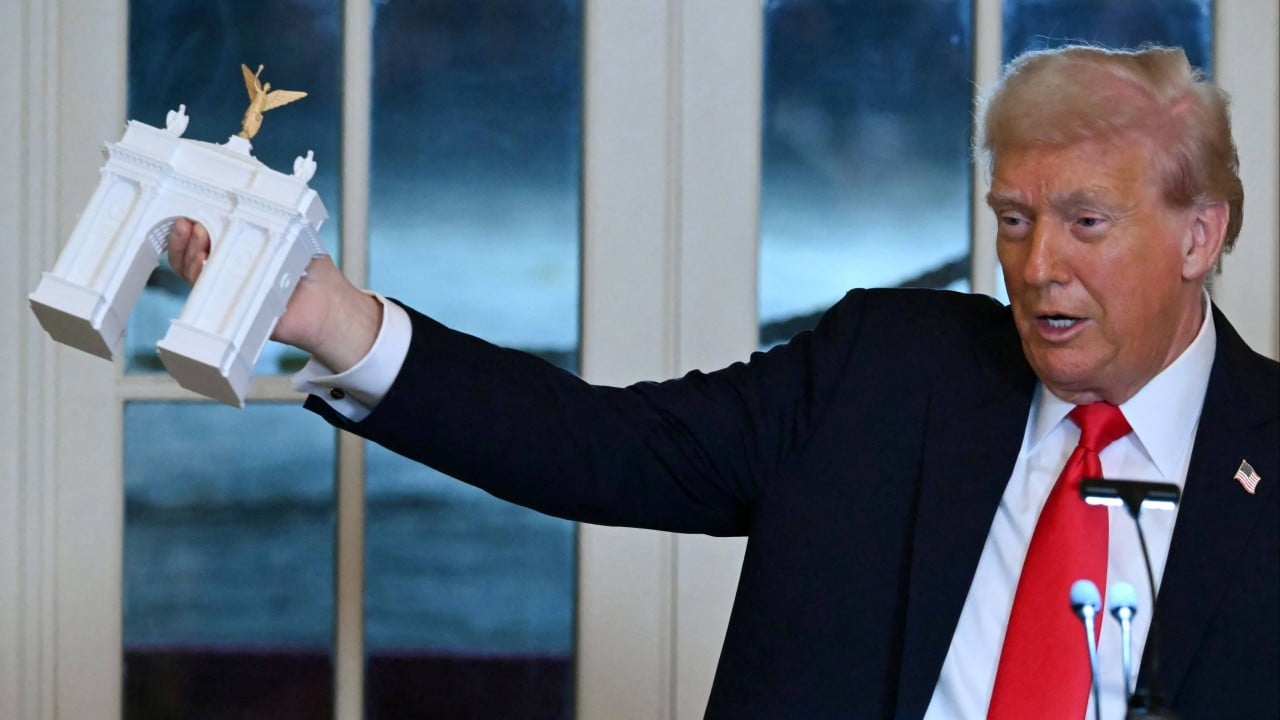
Monuments in Washington, D.C. usually spark polite architectural debates. They rarely feature tactical sniper positions and drone launchpads. Yet here we are.
When the administration first floated plans for a massive 250-foot triumphal arch near Arlington National Cemetery and the Lincoln Memorial, skeptics brushed it off as vanity real estate. Then the specs changed. President Donald Trump publicly reframed the structure as a high-end military complex capable of hosting tactical drones, ammunition storage, and sniper nests on its roof and plaza.
That shift turned a standard heritage dispute into a multi-layered controversy involving federal overreach, airspace safety, and fierce family pushback.
Why Memorial Circle Became a Battleground
The proposed site at Memorial Circle isn't just a random patch of asphalt. It sits right at the foot of the Arlington Memorial Bridge, acting as a critical gateway between the capital and hallowed national grounds. Proponents originally pitched the arch to commemorate the United States semiquincentennial.
Architectural critics initially argued about aesthetics, scale, and whether a Parisian-style monument fit the neoclassical identity of the National Mall. But injecting military operational utility into a public memorial completely changes the design intent. Transforming a tourist-facing landmark into an active security installation introduces a jarring juxtaposition that urban planners never anticipated.
The Security and Aviation Puzzle
Placing military infrastructure directly in the center of the nation's capital creates immediate logistical headaches. Local representatives and aviation experts quickly pointed out the obvious hazard: height and proximity.
A 250-foot structure towering near major flight paths and regional airports forces a hard look at airspace safety. Add drones and munitions storage into the mix, and the site transforms from a peaceful commemorative plaza into a fortified security zone. Critics argue that housing tactical gear and sniper provisions so close to civilian memorials compromises both public access and urban safety.
Legal Roadblocks and Family Opposition
The project hasn't had an easy path through the bureaucracy. Federal judges have repeatedly hit pause on construction, keeping heavy machinery off the site while legal challenges play out.
The most emotional resistance comes from the families of historical figures buried nearby. Members of the Kennedy family filed a formal lawsuit against the project. Their complaint argues that a towering monument would cast an intrusive shadow over the gravesites of slain American leaders and permanently alter the solemn character of Arlington National Cemetery. They also noted it obstructs carefully planned historic sightlines—such as the visual corridor connecting the Lincoln Memorial and Arlington House—that were explicitly designed to symbolize national reunification after the Civil War.
Where the Project Stands Now
Despite fierce pushback from local lawmakers, legal injunctions from federal courts, and neighborhood protests, the administration continues to push for the monument's completion. Whether the structure ultimately rises as a glorified military outpost or gets permanently tied up in litigation depends on upcoming rulings from federal land commissions and district judges.
The debate goes far beyond concrete and steel. It exposes a deep tug-of-war over who gets to shape the physical legacy of the capital and what a modern national monument is actually supposed to represent.
Trump says planned triumphal arch will house drones, snipers
This news report provides visual context and coverage regarding the announcement of the proposed triumphal arch and its planned military capabilities.