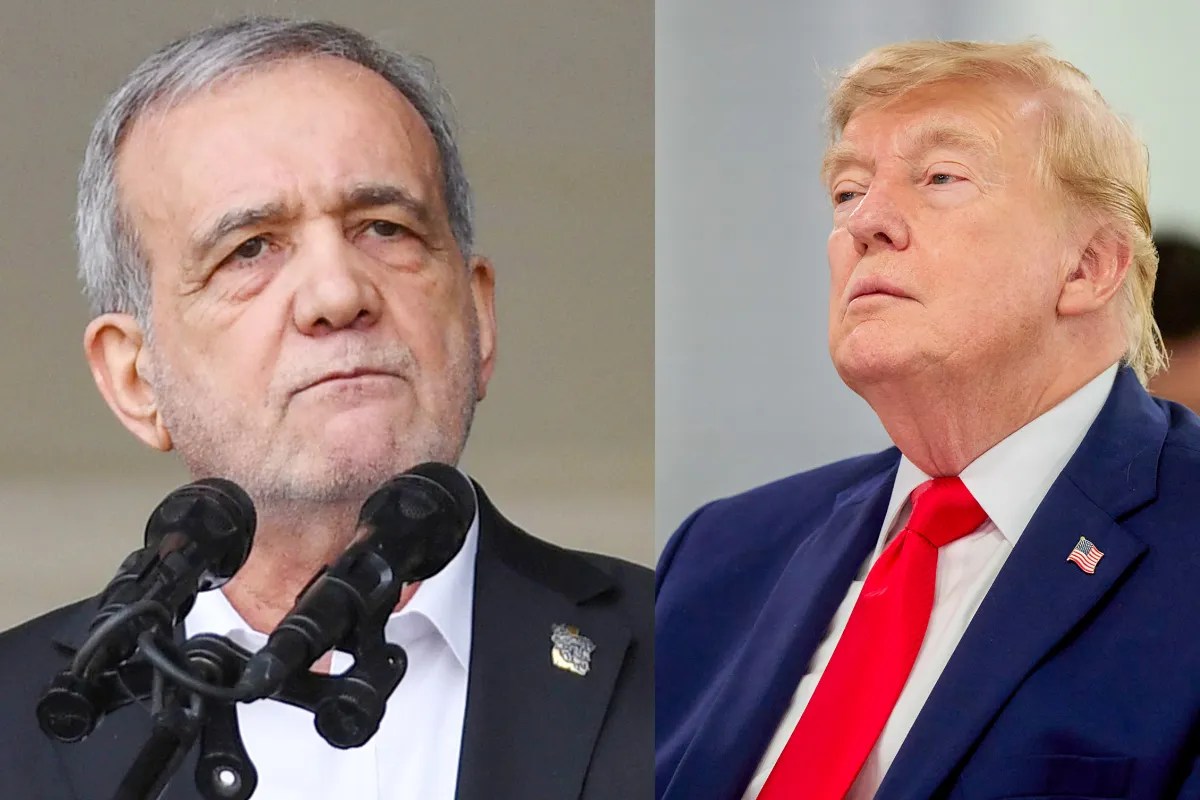
Donald Trump just signed a preliminary peace deal with Iran, and Washington is absolutely losing its mind. The center of the storm is a single provision in a draft memorandum of understanding that outlines a massive 300 billion dollar fund for Iran's reconstruction and economic development. Within minutes of the text leaking, political battle lines were drawn. Opponents claim the White House is sending a massive taxpayer-funded jackpot to a historic adversary, while the administration insists American taxpayers won't pay a single cent.
The political panic on Capitol Hill makes it sound like Uncle Sam is cutting a direct check to Tehran. It's a great talking point for an election year, but it completely misses how this deal actually works. The reality of this 300 billion dollar fund is far more complicated than a simple payout, and the real financial burden is being shifted somewhere else entirely.
The Truth About Where the Money Comes From
Let's clear up the biggest misconception right away. The United States government isn't financing this fund. When the draft text leaked, revealing that Washington undertook a commitment with regional partners to develop a 300 billion dollar plan for Iran, critics pounced. Senator Amy Klobuchar quickly posted on X that this money could instead end homelessness or fund cancer research for 40 years.
Trump shot back on Truth Social, calling the idea of a direct US payment "Fake News." So if Washington isn't paying, who is?
According to Vice President JD Vance and leaked details from the negotiations, the money is supposed to come from foreign governments and private sector investors. Specifically, the White House is looking at wealthy Gulf Arab states like the United Arab Emirates to lead the financial charge. The strategy isn't to give Iran cash grants. Instead, the US plans to lift specific sanctions so third-party countries and global corporations can legally invest in Iranian infrastructure.
Reports indicate that about half of the proposed 300 billion dollar fund has already been tentatively committed through a private investment vehicle. This structure involves zero government grants from the US treasury. Instead, private companies from the US, Asia, South America, Africa, and the Gulf have agreed to back commercial projects in energy, manufacturing, and transport.
Why Iran Wants Infrastructure Investment Over Direct Cash
Tehran originally demanded 400 billion dollars directly from the US as compensation for war damages. Washington flatly rejected that demand. The compromise was this development fund, which actually serves Iran's long-term economic interests much better than a temporary cash injection.
Decades of economic isolation and recent conflict have left Iran's core industries in absolute ruins. The country holds the second-largest natural gas reserves on the planet and the fourth-largest oil reserves, but its extraction and refining technologies are hopelessly outdated. They can't cash in on their own resources efficiently.
The 300 billion dollar framework targets these exact vulnerabilities. Instead of a direct bank transfer to the Iranian government, the fund is structured around concrete projects.
- New oil refineries and advanced gas processing units to boost energy exports.
- Modernized railway networks to transform Iran into a logistics hub connecting Asia, Europe, and the Middle East.
- Rebuilt commercial airports, sea ports, and freight hubs that were degraded or destroyed.
By framing this as an investment fund rather than direct aid, the administration bypassed the political impossibility of handing cash to Tehran, while giving Iran a pathway to rebuild its economy.
The Secret Panic Gripping the Gulf States
While the White House publicizes the fund as a triumph of private diplomacy, America's traditional allies in the Middle East are privately terrified. The administration claims Arab states are eager to invest in Iran if Tehran alters its behavior, but behind closed doors, members of the Gulf Cooperation Council were completely blindsided by the terms of the MoU.
The anxiety in places like Riyadh and Abu Dhabi isn't about the money itself. It's about regional power balances. Gulf leaders fear that a massive influx of 300 billion dollars—even if restricted to commercial infrastructure—will naturally free up Iran's domestic budget. If international consortia build Iran's power plants and railways, Tehran can redirect its own state revenues directly into its military apparatus and regional proxy networks.
Secretary of State Marco Rubio has been dispatched to the Gulf to manage this exact diplomatic fallout. His job is to convince skeptical allies that the peace deal includes enough oversight to prevent Iran from weaponizing its economic revival. It's a tough sell. The Gulf states know that a wealthy, economically integrated Iran is a far more formidable neighbor than an isolated one.
How the Frozen Assets Fit Into the Equation
To understand the full scope of the controversy, you have to separate the 300 billion dollar investment fund from Iran's frozen assets. They are two entirely different pools of money, but critics constantly lump them together to maximize the outrage.
A separate clause in the memorandum states that the US will make Iran's frozen or restricted assets fully available. Washington is currently working with Qatar to facilitate the release of these specific billions, which were locked up in foreign banks due to past banking sanctions. This is Iran's own money being returned as a condition for ending hostilities and accepting strict nuclear limits.
The 300 billion dollar fund is entirely separate from those unlocked bank accounts. It represents future, long-term capital flows that will only materialize over years if Iran complies with every single term of the peace agreement.
The Timeline for What Happens Next
This fund isn't going to appear overnight. The memorandum of understanding is a preliminary framework, not a final legal treaty. Both sides have a 60-day window to finalize the formal agreement, identify specific commercial projects, and legally lock in the private investors.
The immediate obstacle is domestic politics in the US. With mid-term elections approaching, congressional Democrats are planning to fight the implementation of the MoU every step of the way. Senate Majority Leader Chuck Schumer has made it clear that opposition lawmakers won't cooperate with any measures that ease the path for this fund, setting up a brutal legislative battle over the executive branch's sanction-lifting powers.
Businesses looking to participate are currently waiting for explicit legal guarantees from the US Treasury Department. No major international corporation will risk investing a dime in Iranian rail or energy projects until they have ironclad, written exemptions ensuring they won't face sudden penalties if the political winds change again in Washington. The next two months will determine whether this financial framework becomes reality or falls apart under political pressure.


