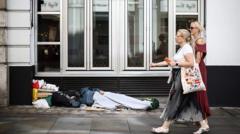
Every winter, local government PR machines spin up the same predictable machinery. Mayors and regional leaders wheel out emergency accommodation pledges, packaged in festive soundbites, promising that every rough sleeper will be brought inside by Christmas. The media laps it up. The public feels a momentary warmth. Then January arrives, the cameras turn off, and people are back on the damp concrete.
Andy Burnham rolling out a seasonal rough sleeping plan sounds compassionate on a press release. It reads well in local newspapers. It scores points at committee meetings. But treating a structural housing catastrophe like a seasonal weather event is not policy. It is theater.
I have spent years watching regional authorities throw emergency funding at temporary winter beds while ignoring the structural pipeline of actual permanent housing. I have seen councils blow millions on short-term cold-weather shelters that close their doors in spring, throwing the exact same human beings back onto the street with zero progress made.
It is time to dismantle the lazy consensus that winter emergency pushes solve street homelessness. They do not. Often, they make things worse by creating a false sense of security while draining resources from solutions that actually work.
The Seasonal Fallacy
The core flaw in the annual Christmas push is its temporal framing. By branding homelessness as a crisis that peaks in December, politicians invite a seasonal response. They scramble for hotel rooms, requisition community halls, and draft emergency volunteers.
This approach relies on a profound misunderstanding of why people sleep rough. Chronic street homelessness is not caused by a sudden drop in temperature. It is caused by a catastrophic lack of social housing, an underfunded mental health infrastructure, and a broken statutory welfare framework.
When a politician promises to get everyone indoors for the holidays, they are treating a chronic systemic failure like a sudden snowstorm.
- Temporary winter shelters lack the privacy and stability required to address trauma.
- Congregate shelters often trigger safety fears, driving vulnerable people back outside.
- The sudden influx of December funding evaporates by February, leaving support networks fractured.
Imagine a scenario where a hospital decided to treat cancer patients only when it rained, offering temporary umbrellas instead of chemotherapy. That is precisely what a seasonal rough sleeping initiative does. It manages the optics of suffering without altering the trajectory of the disease.
Why Emergency Accommodation Fails Long-Term
There is a dirty secret about emergency winter beds that municipal leaders rarely mention: many people refuse them.
When a rough sleeper turns down a spot in an emergency shelter, self-righteous commentators wring their hands about people choosing the streets. This is nonsense. People do not choose freezing doorways out of stubbornness. They choose them because large congregate shelters can be violent, chaotic, and dehumanizing environments.
If you have spent months surviving on the streets, developing hyper-vigilance just to stay alive, walking into a crowded room full of strangers with active addictions and untreated psychiatric crises is terrifying.
Housing First pioneers understood this decades ago. The evidence base is overwhelming. Permanent housing must come first, completely unconditional on sobriety or psychiatric compliance, with wraparound support provided in the private dignity of a front door.
Yet, regional leaders continue to invest in the Victorian-era dormitory model because it offers a quick photo opportunity. They want the headline of bed-nights secured rather than the harder, less photogenic reality of tenancy sustainment rates twelve months down the line.
The Economics of Band-Aids
Let us look at the financial mechanics. Emergency winter beds are notoriously expensive on a per-night basis. Councils scramble at the eleventh hour, paying inflated rates to private hoteliers or temporary facility operators.
This money does not build long-term capacity. It does not acquire one-bedroom council properties. It is a transactional subsidy paid to manage a symptom while the root cause continues to compound.
- Emergency hotel placements cost local authorities thousands per individual over a few winter months.
- That same capital, pooled and directed toward rapid rehousing acquisition, could secure permanent tenancies.
- Instead, the budget is burned on temporary fixes, ensuring the council must repeat the exact same panic buying twelve months later.
This is not fiscal responsibility. It is circular accounting designed to protect political reputations rather than human lives.
Dismantling The Savior Complex
The public appetite for Christmas charity creates a dangerous feedback loop for politicians. Citizens want to feel good during the holidays. Donating to a winter shelter or nodding along to a mayor's compassionate pledge provides an easy moral clearance.
But charity is not a substitute for justice. When we accept a system where people only receive shelter because the temperature dropped below freezing, we are institutionalizing cruelty. We are saying that basic human survival is dependent on the charity of the festive season rather than an inalienable right to shelter.
If a mayor wants to fix rough sleeping, they need to stop announcing emergency winter taskforces. They need to stop pretending that December is the enemy.
The enemy is a housing market that treats shelter as a luxury asset. The enemy is a planning system that blocks social construction. The enemy is the political cowardice that prefers a flashy Christmas press release to the unglamorous, decade-long work of building municipal homes.
Stop funding the seasonal circus. Build permanent homes, integrate mental health care into primary services, and stop pretending that a temporary roof for the coldest weeks of the year is a victory.
Winter ends. The streets remain. It is time to act like it.