Tragedy makes bad policy. Every time a high-profile violent incident grips the news cycle, the public demands an immediate, emotional response. We want villains identified, institutions blamed, and sweeping new mandates enacted before the blood has even dried on the pavement.
The media narrative follows a predictable, lazy script. A horrific event occurs, a grieving family speaks out, and pundits demand immediate legislative action or institutional overhaul. Nobody asks whether the proposed solution actually prevents the next tragedy, or if it simply makes us feel better while doing nothing.
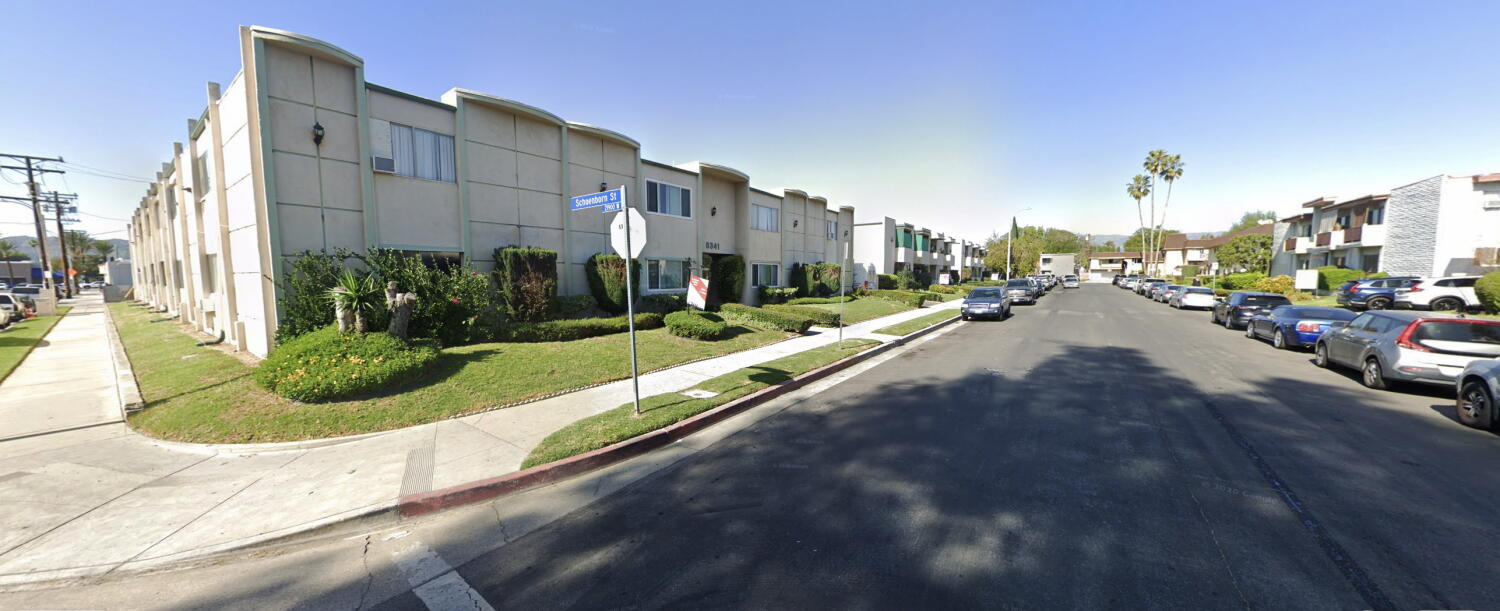
Let's look at the systemic knee-jerk reactions that follow localized public violence. When a shooting happens in a commercial zone like Canoga Park, the immediate cry centers on perimeter security, localized policing budgets, or weapon restrictions. These responses treat symptoms while ignoring the structural architecture of public urban safety.
The Fallacy of Reactive Legislation
We love to legislate after the fact. Lawmakers rush to draft bills named after victims, promising that a new statute will freeze human volatility in place. It is an illusion.
A rule cannot deter someone willing to commit an irreversible act. When we rely on reactive policy, we build a bureaucratic theater of safety. Metal detectors, increased guard presence, and emergency response drills create a psychological comfort blanket, but they rarely alter baseline criminality.
Imagine a scenario where a commercial corridor doubles its private security budget overnight. Insurance rates drop slightly. Shoppers feel a temporary surge in confidence. The underlying social decay, resource starvation, and individual mental deterioration that sparked the violence remain entirely untouched. You have secured the perimeter while ignoring the interior rot.
The Cost of Emotional Policymaking
When policy is driven by raw grief, bad data wins.
I have watched local governments burn millions of dollars on high-tech surveillance grids that catch crimes after they happen rather than funding community mental health infrastructure that stops them before conception. We buy hardware because hardware has a receipt. You can photograph a new camera array for a press release. You cannot photograph a teenager receiving adequate psychiatric intervention five years before a breakdown.
The lazy consensus tells us that more security guard presence equals more safety. The data tells a different story. Static guards act as deterrents only against opportunistic property theft. They are entirely ineffective against targeted, irrational acts of violence. Yet, institutions double down on the exact same failed playbook because admitting that a situation is largely unmanageable via simple guard placement is politically fatal.
Redefining Urban Vulnerability
We talk endlessly about victim support and institutional failure, but we rarely discuss the limits of municipal intervention. Not every square foot of public space can be turned into a fortress. When we pretend that absolute safety is a policy choice rather than a statistical improbability, we set the public up for perpetual betrayal.
The brutal truth is that public safety requires accepting a baseline of vulnerability. The moment we try to eliminate all risk through heavy-handed intervention, we destroy public life itself. We get sterile, over-policed dead zones where nobody wants to walk, shop, or live.
Stop asking how institutions can lock down every street corner. Start asking why our social fabric is fraying to the point where public spaces become powder kegs in the first place. Until we shift our focus from defensive posture to structural repair, every memorial will just be a rehearsal for the next one.