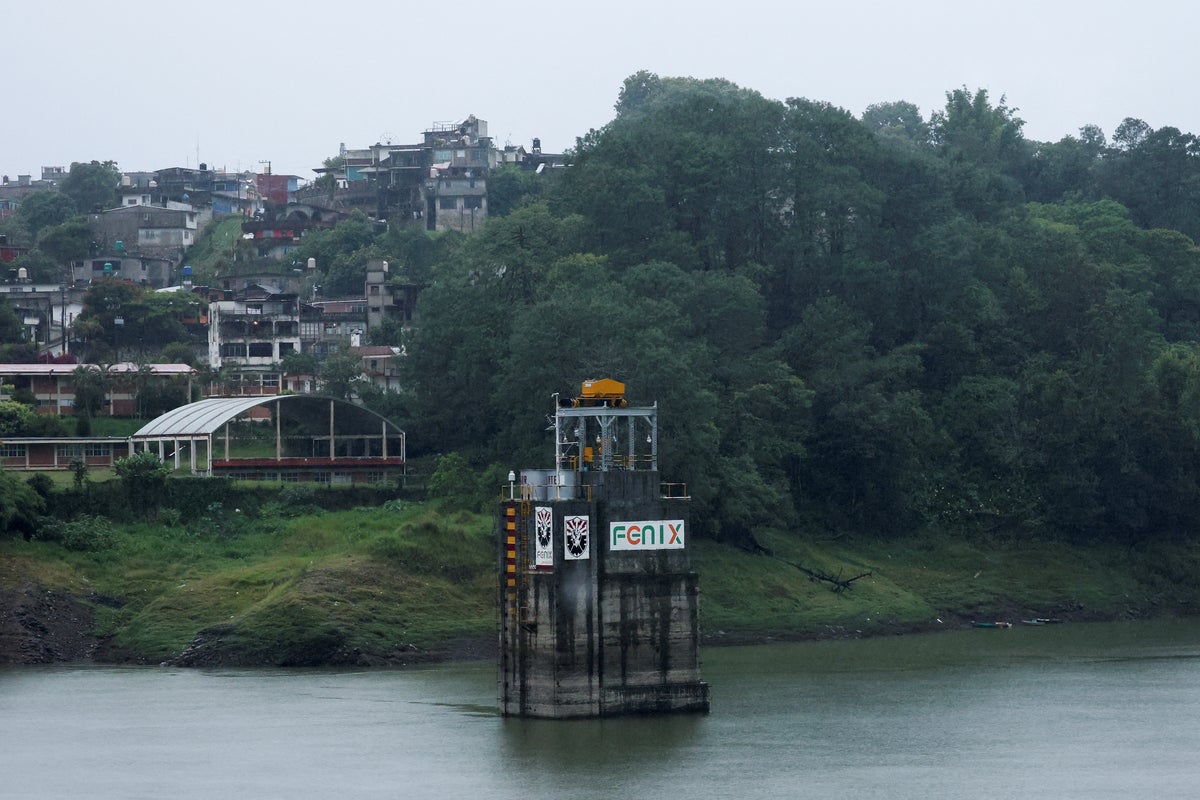
The headlines screamed about a sophisticated underground crypto mining empire run by cartels hidden deep within the rugged Mexican mountains. Law enforcement raided the compound, seized rows of whirring ASICs, unplugged industrial-grade power transformers, and patted themselves on the back for disrupting high-tech transnational money laundering. Every major tech blog and mainstream news outlet echoed the exact same lazy narrative. They painted modern syndicates as cyberpunk masterminds leveraging cutting-edge decentralized finance tools to obscure their illicit billions.
It is a fantastic Hollywood script. It is also entirely detached from economic reality.
I have spent the last decade tracking illicit capital flows and infrastructure logistics across Latin America. I have watched criminal enterprises attempt to integrate into modern digital finance networks, and I can tell you with absolute certainty that running a mountain-top crypto farm is one of the stupidest things a cartel can do.
The lazy consensus is that crypto mining is the ultimate evolution of drug money laundering. The reality is that crypto mining is a transparent, capital-intensive, highly traceable trap for anyone trying to hide dirty cash.
Let us dismantle the fiction and look at the brutal, unromantic truth about why cartels mining crypto is actually a sign of desperation, not sophistication.
The Physical Footprint Delusion
The media loves to romanticize remote mountain hideouts. A cluster of ASICs chewing through megawatts of electricity in the middle of nowhere sounds like a Bond villain's headquarters. But scale destroys secrecy in the physical world.
To mine Bitcoin profitably at industrial scales, you need two things in massive, unrelenting quantities: cheap electricity and immense cooling capacity. You cannot hide those requirements.
A medium-sized mining rig pulling a few megawatts throws off enough heat to melt a small warehouse and draws a thermal signature visible from space. More importantly, it requires a steady, high-voltage power supply. You cannot run industrial-grade mining hardware off smuggled gasoline generators without burning through your profits in fuel costs within a week. You have to tap into the grid.
When you tap into the grid illegally—which is what these operations usually do via massive energy theft—you create an immediate, glaring anomaly for utility operators. Power grids do not just leak megawatt-hours. Smart grid technology and state-owned power companies track line losses down to the neighborhood. A sudden, massive spike in power consumption in a remote mountain region does not go unnoticed by engineers. It triggers automated alarms long before any law enforcement intelligence unit starts sniffing around for narco-miners.
The cartels didn't outsmart the system. They picked the most conspicuous, resource-heavy, high-failure-rate method available to launder money, solely because they watched too many television dramas.
The Traceability Trap
Let us address the most persistent myth in digital finance: the idea that cryptocurrency is anonymous.
Bureaucrats and sensationalist journalists still push the tired trope that crypto is suitcases of digital cash moving invisibly through the shadows. Anyone who has actually looked at an on-chain ledger knows the opposite is true. Public blockchains like Bitcoin are transparent ledgers. Every transaction leaves a permanent, immutable scar on the blockchain.
Imagine a scenario where a cartel successfully mines ten Bitcoin a day in their mountain hideout. Now, what do they do with it?
To buy weapons, pay bribes, or fund operations, that digital asset has to be converted back into fiat currency or stablecoins accepted by local merchants and suppliers. The moment those newly minted, unspent transaction outputs try to cross into centralized exchanges or over-the-counter brokerages that comply with anti-money laundering regulations, blockchain analytics firms freeze them instantly. Chainalysis and Elliptic track tainted coins with terrifying precision.
Mining fresh cryptocurrency creates a pristine, mathematically verifiable audit trail linking the newly generated coins directly to the wallet addresses controlled by the miners. If law enforcement seizes the hardware or compromises the private keys during a raid, they don't just get a bunch of paper trails; they get a cryptographic map of every single Satoshi generated by that specific pool.
Traditional cash laundering—smuggling bulk physical currency across borders, using front businesses with high cash-flow volumes, or relying on trade-based laundering—is messy, labor-intensive, and risky. But it offers the one thing crypto never can: plausible deniability and the sweet, untraceable friction of physical paper. Moving millions in physical dollars through shell companies requires a network of corrupt accountants and willing banks, but once it is clean, it is clean. Crypto leaves a permanent digital footprint that law enforcement can analyze decades down the road.
The Energy Arbitrage Fallacy
Why would a cartel even bother with crypto? The answer comes down to a desperate search for yield on trapped capital, misunderstood by people who think syndicates operate like Silicon Valley venture capital firms.
Drug cartels generate mountains of physical cash faster than they can launder it through traditional channels. Cash is bulky, it degrades, and holding physical pesos or dollars in underground warehouses is an operational nightmare. They need to convert physical cash into liquid, transportable value.
Buying crypto with physical cash via peer-to-peer markets happens every day. But mining crypto with physical cash? That implies a different motive. It suggests they are trying to convert excess, stolen electricity—or localized capital surpluses—into digital assets because they do not know what else to do with their logistics infrastructure.
However, energy arbitrage only works if your electricity is genuinely cheap or free, and your hardware depreciation is manageable. ASIC hardware has a brutal shelf life. Moore's Law and the relentless rise in global network hash rate mean that mining hardware becomes obsolete or unprofitable within two to three years.
If you are a cartel running stolen electricity through stolen or smuggled hardware, you are dealing with equipment that breaks down constantly in dusty, poorly ventilated mountain environments. You need specialized replacement parts, stable internet connections, and skilled technicians who know how to flash firmware and manage cooling loops.
You cannot hire a certified IT specialist on LinkedIn for a mountain cartel mining operation. You are relying on low-level foot soldiers who treat delicate microelectronics like small engines. The failure rate of the hardware combined with the constant threat of interdiction makes mining an atrociously inefficient financial instrument.
The Real Threat Nobody Wants to Talk About
If the mountain crypto farm narrative is a distraction, what is the actual financial mechanism powering modern transnational crime?
It is not decentralized mining nodes in the wilderness. It is boring, mundane traditional banking, shadow trade finance, and stablecoins used for cross-border settlement in jurisdictions with weak regulatory oversight.
Cartels do not need to mine Bitcoin when they can effortlessly acquire millions of dollars worth of USDT on Tron or Ethereum through decentralized OTC desks in major financial capitals. Tether and other stablecoins offer the speed of crypto without the massive capital expenditure and glaring physical footprint of a power-hungry mining rig. You don't need a mountain hideout and a megawatt transformer to transfer stablecoins; you just need a smartphone and a corrupted corporate account in a free-trade zone.
The media focuses on the romantic imagery of rugged mountain hideouts because it feeds the public desire for cinematic narratives. It reassures us that criminals are clumsy tech-novices stumbling through a world they do not understand.
The truth is much darker. Modern criminal networks use boring, frictionless, systemic loopholes in the global financial architecture. They rely on complicit executives, lax enforcement in developing economies, and the sheer volume of legitimate global trade to hide their illicit flows.
The next time you read about a dramatic raid on a hidden tech compound, remember what you are actually looking at. It is not the cutting edge of cybercrime. It is a monument to bad strategy, poor resource allocation, and a fundamental misunderstanding of how money actually moves in the twenty-first century.