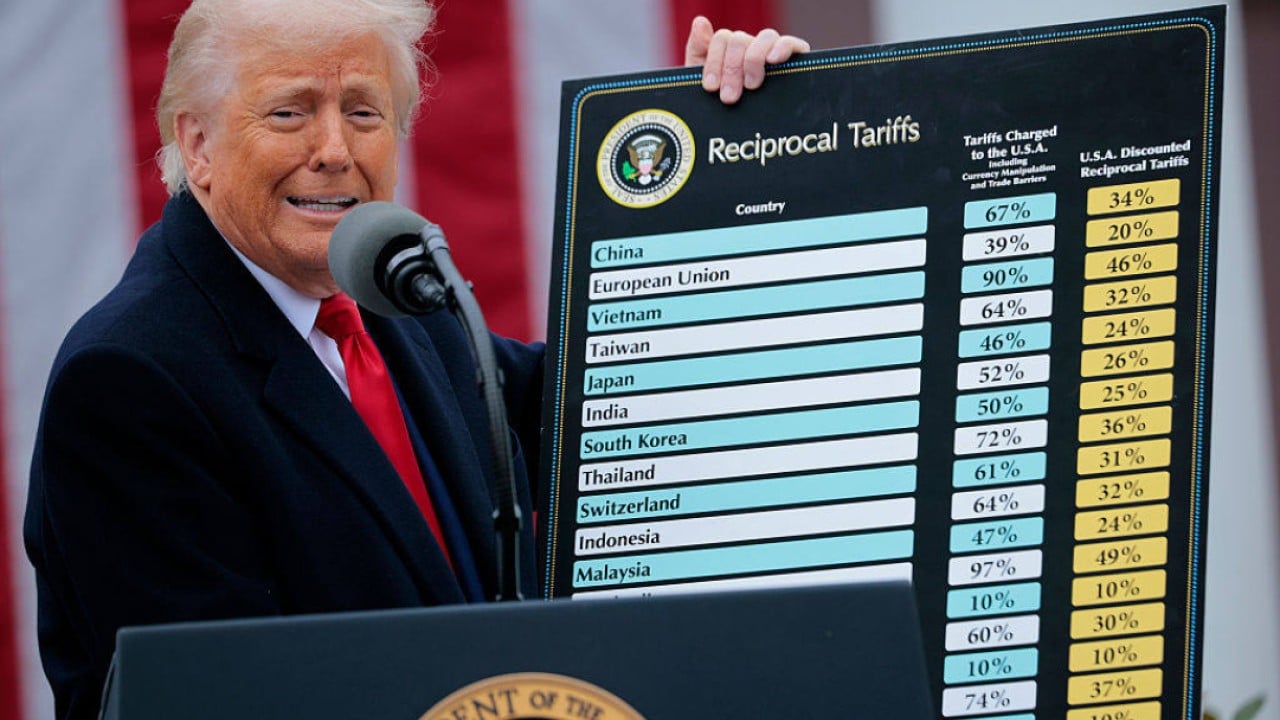
Europe is running out of patience with Beijing. The polite diplomatic dance that defined EU-China relations for decades is officially over, replaced by a tense standoff in Brussels. As EU leaders head into a high-stakes crunch fortnight, the internal debate over how to handle cheap Chinese imports and massive industrial subsidies has reached a boiling point.
For years, the European Union clung to the hope that open markets and dialogue would level the playing field. That illusion has shattered. Faced with what's frequently called China Shock 2.0—a massive wave of state-subsidized electric vehicles, green tech, and manufactured goods flooding European ports—the trade bloc is shifting toward a much more aggressive defensive posture. If you want to understand where global trade is heading, you need to look at what's happening right now in the halls of the European Commission. Meanwhile, you can find similar events here: Why the Outrage Over Kushner Island Is Economically Illiterate.
The Death of European Naivety
Brussels is shifting from a regulator to a protector. For a long time, the EU took pride in being the global champion of free trade rules. But those rules don't work when one player plays by an entirely different playbook.
A coalition of the bloc's heavy hitters, including France, Italy, Spain, the Netherlands, and Lithuania, recently made their anxieties clear in a joint paper sent to European Commission President Ursula von der Leyen. The message was blunt. The EU needs to stop dragging its feet and start building an economic fortress. To understand the complete picture, we recommend the recent analysis by Harvard Business Review.
The main culprit is systemic and structural industrial overcapacity. Beijing has poured billions into factories that produce far more than the domestic Chinese market can consume. The excess has to go somewhere, and Europe's affluent consumer market is the prime target.
Take a look at the sheer scale of what's hitting European shores. The European Commission is currently swamped with an unprecedented backlog of dumping and anti-subsidy complaints. The departments responsible for investigating these infractions are completely overwhelmed. It's not just electric vehicles anymore. Wind turbines, solar panels, and steel are all arriving at prices that European firms simply can't match without going bankrupt.
Weapons of Mass Protection
The EU isn't just complaining. It's actively building a new arsenal of trade weapons designed to bypass the slow, bureaucratic processes of old WTO rules. The goal is speed.
The Resilience Tool
The center of the current debate focuses on a proposed resilience tool. This mechanism would automatically trigger defensive trade measures when European supply sources for critical goods become concentrated beyond a specific, dangerous threshold. If the EU relies on China for 80% or 90% of a critical technological component, this tool steps in to force diversification.
Company-Level Sanctions
Traditionally, tariffs apply to entire countries or specific product categories. The new strategy targets individual companies. This prevents Chinese firms from shifting production lines or slightly altering products to dodge blanket country tariffs. If one specific manufacturer is caught benefiting from illegal state subsidies, that specific company gets hit hard.
Emergency Safeguards and Faster Tariffs
Anti-dumping investigations usually take a year or more. By the time Brussels confirms that a European industry is being hollowed out, the damage is already done. The new proposals demand fast-tracked emergency tariffs and broader safeguard measures that can be deployed in weeks, not months.
Eradicating Third-Country Circumvention
When the EU imposes tariffs on Chinese goods, those goods often get routed through third countries like Vietnam, Mexico, or nations in Eastern Europe to mask their origin. New anti-circumvention powers will track the true ownership and manufacturing supply chains, shutting down these backdoor trade routes.
The Internal Friction Holding Back a Trade War
While the momentum toward a tougher stance is real, Brussels is rarely completely united. The biggest internal obstacle to a full-blown trade war isn't a small nation—it's Germany.
There's a clear consensus among diplomats that nothing will meaningfully change until Berlin is fully on board. Germany’s position is complicated by its massive economic exposure. Corporate giants like Volkswagen, BMW, and BASF rely on China not just for parts, but as their most critical consumer market. If Beijing retaliates with its own tariffs, German automakers stand to lose billions overnight.
French President Emmanuel Macron has openly called for a European equivalent to the US Section 301 tariff tool—the same aggressive mechanism used by Washington to slam Chinese imports with massive duties. France doesn't have the same automotive exposure to China that Germany does, which explains why Paris is happy to lead the charge while Berlin hesitates.
But the sheer volume of the current import surge is forcing Germany's hand. European trade officials are hopeful that the sheer scale of the industrial damage will finally push Berlin to support the new measures during the upcoming leaders' summit.
Beijing’s Menacing Response
Unsurprisingly, China isn't taking this shift lying down. Diplomats in Brussels report that recent meetings with Chinese envoys have taken on a distinctly menacing tone. Beijing has openly warned of strong, targeted retaliation if the EU pushes forward with its defensive trade plans.
Chinese Commerce Minister Wang Wentao is scheduled to arrive in Brussels later this month for what promises to be an incredibly tense series of meetings. Beijing’s counter-strategy is already visible. They're accusing the EU of using trade diversification as a thin veil for raw protectionism. They claim the West is simply afraid of fair competition in green technologies.
But the friction isn't limited to economic data. Geopolitics is bleeding into the trade debate. The EU is simultaneously drawing up new sanctions packages targeting Chinese companies accused of backing Russia’s military logistics, specifically regarding drone components and shadow-fleet shipping. The fact that Beijing continues to support Moscow while dumping cheap goods into Europe has alienated even the most dovish politicians in Brussels.
Actionable Next Steps for European Businesses
If you run a business that relies on global supply chains, you can't afford to watch this play out from the sidelines. The era of cheap, frictionless sourcing from China is ending. You need to adapt your strategy immediately.
- Audit Your Tier-2 and Tier-3 Suppliers: Don't just look at where you buy your final products. Track where your suppliers get their raw materials and components. If a critical part originates in a subsidized Chinese facility, it could soon face sudden, steep tariffs.
- Map Out Alternative Sourcing Hubs: Begin building relationships with manufacturers in regions that aren't in the EU's crosshairs. Look closely at India, Southeast Asia, Central America, or near-shoring options within the Western Balkans and North Africa.
- Factor Tariff Risks Into Contract Pricing: When signing new supply contracts, include explicit clauses detailing who bears the financial burden if emergency EU tariffs are implemented. Don't let an overnight 25% duty wipe out your entire profit margin.
- Monitor Brussels Regulatory Updates Directly: Stop waiting for mainstream news to report on trade shifts. Follow the European Commission’s Directorate-General for Trade updates and industry compliance notices directly to get ahead of upcoming regulatory changes.