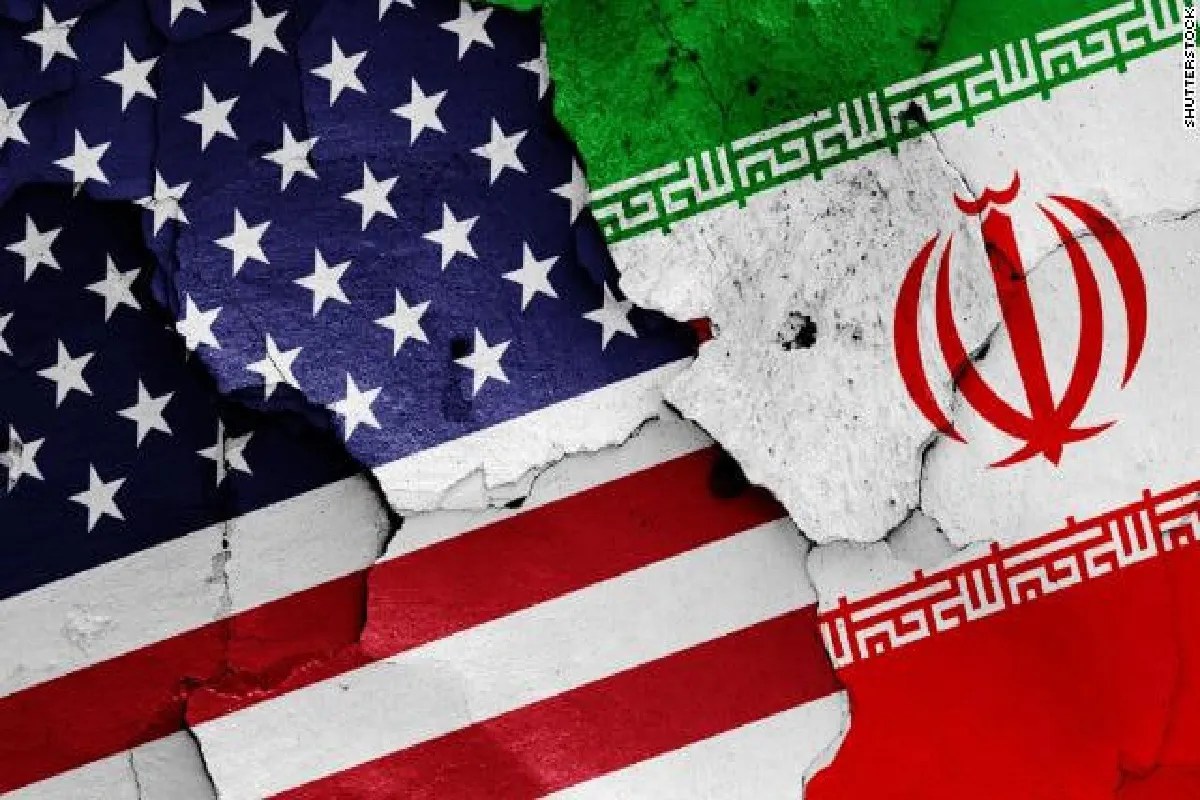
Tensions between Washington and Tehran just hit a dangerous breaking point, and the consequences are rippling across global energy markets.
Donald Trump recently announced that for every single attack on commercial shipping in the Strait of Hormuz, the United States military will destroy one Iranian bridge or power plant. That statement didn't sit well in Tehran. Iranian officials instantly shot back with threats of their own, warning that if Washington targets civilian infrastructure inside Iran, Tehran will retaliate against regional infrastructure and US military installations in the Persian Gulf.
This tit-for-tat dynamic isn't just heated rhetoric. It marks a shift from fighting over sea lanes to directly threatening essential power grids, bridges, and energy sites across the Middle East.
What Triggered the New Wave of Threats
The crisis centers on the Strait of Hormuz, a narrow waterway where roughly a fifth of the world's petroleum flows during normal times. Disagreements over transit rules and maritime control caused recent diplomatic talks to crumble. Iran attempted to control transit through the strait and charge fees, while US naval forces moved to maintain open navigation and enforce a blockade on Iranian ports.
When Iranian forces fired on commercial vessels and US-guarded convoys, Washington responded with heavy air strikes. Trump then took to social media to outline a strict rule of engagement. He stated that any Iranian missile, rocket, or drone aimed at a ship in the strait would trigger the destruction of major infrastructure targets, including sites near Tehran.
Iran's leadership didn't back down. Foreign Minister Abbas Araghchi and military commanders from the Khatam al-Anbiya Central Headquarters made it clear that any strike on Iranian civilian infrastructure would make regional energy facilities and American bases legitimate targets.
The Massive Stakes for Global Markets and Regional Energy
This isn't an abstract military exercise. Real economic numbers show how quickly this conflict is hitting consumers around the world.
- Oil Prices Are Surging: Brent crude oil shot past $93 a barrel following the latest warnings, jumping up from under $72 earlier in the month.
- Shipping Rerouted: Tankers are either stuck or taking massive detours around Africa, driving up freight costs and insurance premiums.
- Soaring Financial Costs: US Defense Secretary Pete Hegseth revealed during Capitol Hill testimony that military operations in the region have already racked up $37.5 billion in costs, with the Pentagon seeking billions more for munitions.
Gulf countries find themselves trapped in the middle. Iranian strikes and drone interceptions have already activated air defenses in Bahrain, Kuwait, Saudi Arabia, and Jordan. Desalination plants and power grids in the Gulf Cooperation Council states are vulnerable because any disruption to regional power or fresh water supplies would create an immediate humanitarian nightmare.
Beyond the Strait and Into Fortified Sites
The confrontation is spilling past maritime borders. Washington has signaled potential strikes on fortified facilities, including the heavily protected nuclear complex at Pickaxe Mountain, known locally as Kuh-e Kolang Gaz La. Intelligence reports indicate Tehran moved sensitive equipment underground after previous fighting.
In response, Iranian forces launched drone and missile strikes targeting air defense radars and military assets near Kuwait's Ali Al Salem Air Base and Jordan's King Faisal base. The Iranian military is intentionally trying to saturate complex radar defenses by deploying swarms of cheap drones alongside precise ballistics.
Meanwhile, international leaders are sounding alarms. United Nations Secretary-General Antonio Guterres condemned attacks on non-military infrastructure, pointing out that striking power networks and bridges breaks international norms and harms civilians most.
What You Need to Watch Next
If you're watching how this military crisis impacts your personal finances and global stability, keep an eye on these specific triggers over the coming weeks.
Track crude oil benchmark futures and fuel price trends at your local pump, as further disruptions in the strait will directly push gas prices higher. Monitor official updates from the US Energy Information Administration and maritime tracking groups like MarineTraffic to see if commercial traffic resumes through the waterway. Pay close attention to diplomatic moves out of regional mediators like Pakistan and Turkey, who are quietly trying to establish a new off-ramp before critical energy infrastructure gets hit on either side.
The margin for error in the Persian Gulf has never been thinner. One single missile launch could turn warnings into an all-out blackout across the region.