The map of Europe is stained with grease and ink. Every morning, men in heavy coats lean over walnut tables in command bunkers, pushing plastic markers across topographical sheets, measuring human lives in millimeters of advance and retreat. But tonight, a different kind of movement cuts through the dark.
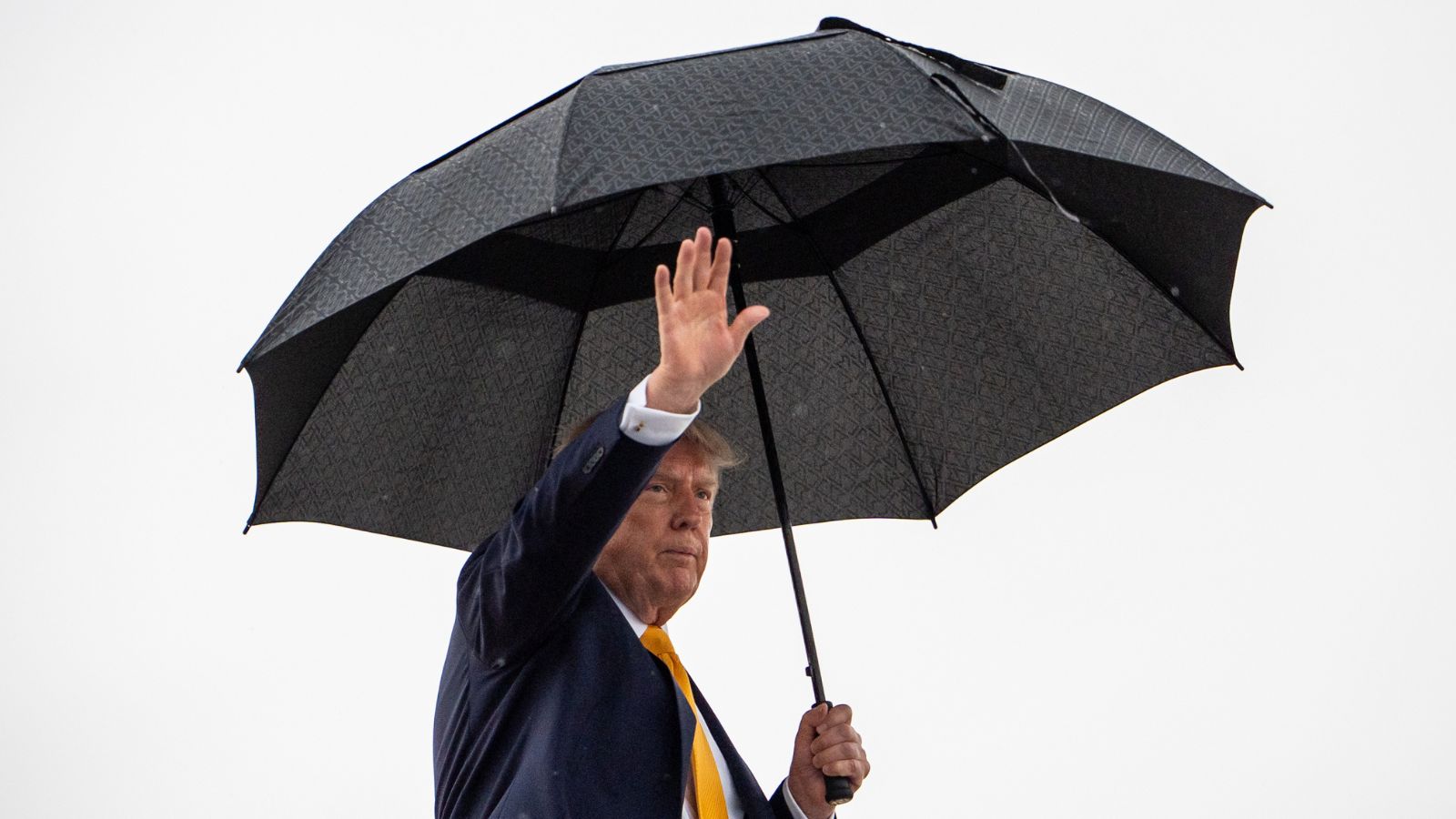
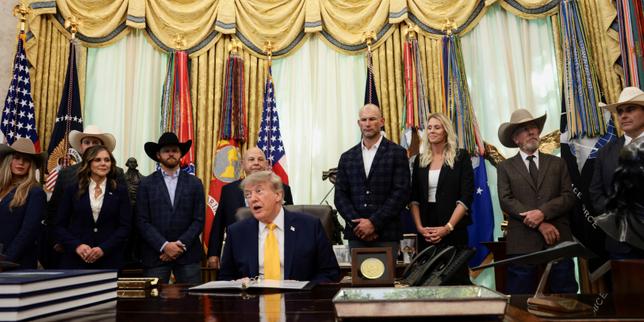
Donald Trump has dispatched his envoys. They are moving simultaneously toward the frost-bitten avenues of Kyiv and the heavily guarded corridors of Moscow, carrying folded papers and an urgent directive: find an exit.
To understand what happens next, you have to look past the podiums in Washington and the sanitized communiques issued by foreign ministries. You have to picture a kitchen in a quiet suburb outside Dnipro, where the windowpane rattles every time a distant battery fires. (Note: This specific household is a hypothetical construct meant to illustrate the daily reality of millions, though the trembling glass is entirely real.) A mother sits by the cold stove, her coat still on, watching the steam vanish from her tea. She does not care about geopolitical leverage. She cares about the clock. She cares about whether the silence that falls between midnight and dawn will hold, or if it is only a breath before the next scream splits the dark.
For months, the war has worn a predictable groove. Iron meets flesh; mud swallows armor; rhetoric hardens into dogma. Both sides are trapped inside the terrible momentum of their own justifications. Wars do not usually end because someone suddenly discovers a moral truth. They end because exhaustion finally bleeds the fight out of the room, or because a new force shoves the actors off their rigid scripts.
Enter the envoys.
They are carrying what is being billed as a concrete plan to bring the hostilities to a halt. Details are fiercely guarded, whispered behind thick glass in secure compounds, but the geometry of any peace deal always follows the same brutal laws of gravity. It requires concessions that taste like ash. It demands that enemies who have sworn to destroy one another look across a table and agree to stop counting the dead.
Consider what happens when a mediator steps into a burning room. The heat does not recede immediately. The first reaction is suspicion. In Kyiv, officials eye foreign proposals with a wary gaze, terrified of a peace that resembles surrender, a forced partition that carves their country like a holiday roast. In Moscow, the calculus is wrapped in imperial pride and the desperate need to declare victory, no matter how hollow the bones beneath it.
Yet, the wheels are turning. The sheer economic and demographic weight of the conflict is grinding down the gears of both states. When leaders talk about bringing an end to the fighting, they are responding to an invisible pressure gauge. It is the sound of empty factories, depleted treasuries, and cemeteries expanding faster than towns.
We have seen this script before in the blood-soaked chapters of the twentieth century. Every protracted war eventually reaches a moment of bruised pragmatism. The diplomats boarding those planes are gambling that this moment has finally arrived.
If you stand on the platform at the railway station in central Europe, you can feel the quiet tension of history pivoting on a hinge. The train rolls forward, its headlight cutting a pale wedge through the falling snow. Inside, men review talking points, maps, and ultimatums. Outside, an entire continent waits to see if the endless winter is finally thawing into something resembling tomorrow.
The silence after the artillery stops is never peaceful. It rings in the ears like a bell struck too hard. But it is better than the alternative. The envoys are riding toward that silence now, speeding through the dark toward a reckoning that will either rewrite the map of our era or shatter against the stubborn stone of immovable hate.