The floor of Lake Pend Oreille plunges over one thousand feet into a dark, frigid void. In this massive Idaho basin, a quiet, high-stakes conflict has raged for two decades. It is not a war of land or ideology, but one of biology and survival. Since 2006, the Idaho Department of Fish and Game has waged a relentless campaign of attrition against the lake trout. This is not a project with a finish line. It is a permanent, state-sanctioned obligation, a testament to the reality that once an invasive predator secures a foothold in a deep-water system, the price of balance is eternal vigilance.
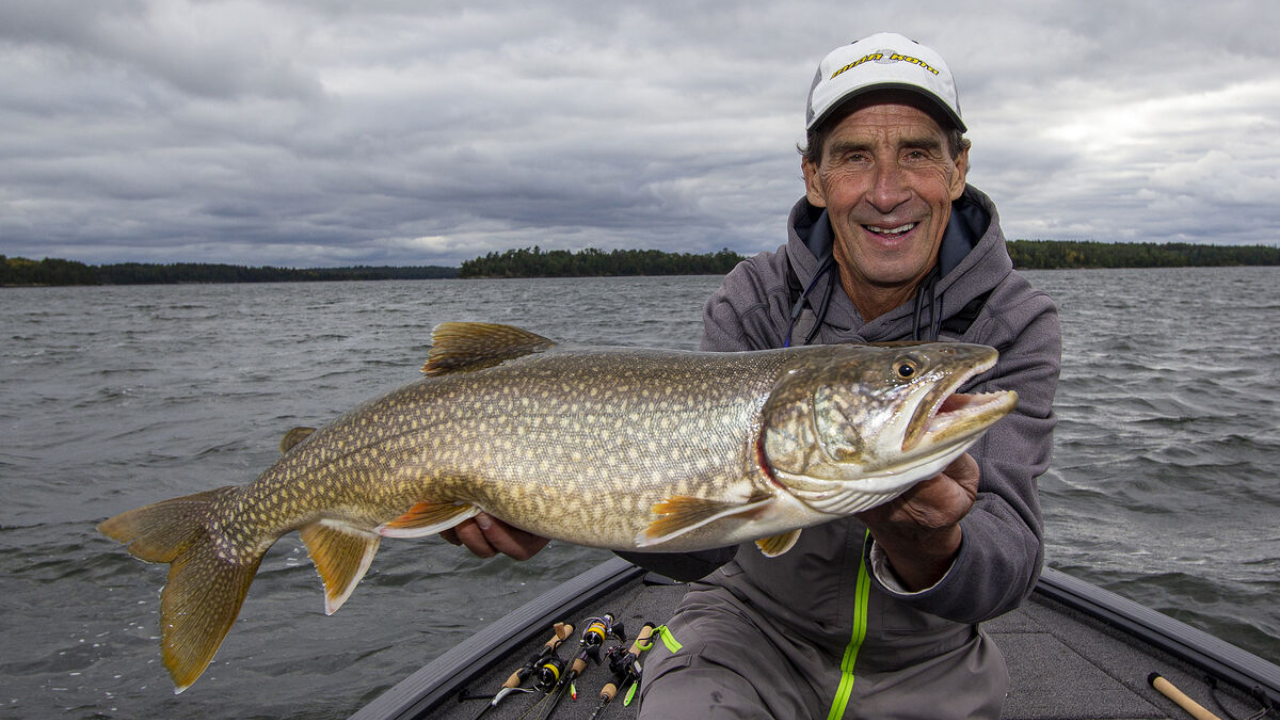
The primary target is Salvelinus namaycush, the lake trout. An apex predator with a voracious appetite, these fish nearly erased the kokanee salmon, the bedrock of the lake’s aquatic food chain. By the early 2000s, the kokanee population had cratered, collapsing from millions to a negligible remnant. The ripple effect threatened everything from the endangered bull trout to the legendary Gerrard rainbow trout, species that define the regional identity. The state had two options: watch the ecosystem blink out of existence or initiate a radical suppression effort that turned every recreational angler into an operative of the state.
The strategy was a hybrid of public participation and industrial efficiency. Idaho instituted a bounty, handing out fifteen dollars for every lake trout brought to the dock. This incentivized thousands of local fishermen to spend their weekends hunting a species they previously prized, effectively flipping the social narrative of the lake. Simultaneously, the state funded a professional netting operation, deploying crews from the Great Lakes to drop deep-water gill nets into the hidden spawning grounds where recreational gear could not reach.
This two-pronged approach achieved a statistical success that rarely occurs in environmental management. By 2016, a decade into the program, adult lake trout numbers had plummeted by 64 percent. The kokanee responded with a resurgence that surprised even the biologists, rebounding to densities not documented since the 1970s. For a moment, the crisis appeared resolved. But the math of the lake tells a different story.
Biology is rarely a static equation. Removing 193,982 lake trout between 2006 and 2016 did not eliminate the population; it shifted the age structure. The lake is simply too deep, too vast, and too complex for total eradication. The current reality is a state of suspended animation. The project continues today, not as a recovery mission, but as a maintenance cycle. If the nets were pulled and the bounties vanished, the lake trout would reclaim the depths within years, potentially triggering the same collapse that nearly bankrupted the ecosystem twenty years ago.
The human element remains the most volatile variable. The early years of this campaign were marked by deep community friction. Watching prized fish being pulled from the water and discarded or processed for food banks caused significant heartburn among locals who saw their angling culture being dismantled. The transition from a trophy-hunting paradise to an active culling ground forced an uncomfortable reckoning within the community. It required a shift in mindset where the value of the lake was no longer measured by the size of a single caught fish, but by the health of the entire biomass.
This serves as a sobering lesson for other western water bodies. Projects in places like Yellowstone Lake and Flathead Lake have looked to the Idaho model as a blueprint, yet the Pend Oreille example underscores a brutal truth. When you invite an invasive species into a complex, deep-water environment, you do not just change the ecosystem. You commit to a future where human intervention must mimic the natural predation that was lost. There is no off-switch for this kind of management.
As the program enters its third decade, the focus has shifted from emergency suppression to long-term population control. Biologists track the ratio of juveniles to adults, monitoring the lake’s ability to sustain the recovery of the kokanee. Every fish netted is a tactical strike against a potential population explosion. The local anglers who once revolted against the killing of trophy fish have largely integrated themselves into the machine, accepting the bounty system as the necessary toll for maintaining a viable sport fishery.
The success of the Lake Pend Oreille project is undeniable, but it is a fragile victory. It rests entirely on the continued commitment of funding partners and the willingness of the public to participate in a cull. The lake has been brought back from the brink of ecological sterilization, yet it remains fundamentally altered. It is a man-managed environment where the wildness has been replaced by carefully calculated equilibrium. For as long as those deep, cold waters remain, the war will continue, one net and one bounty at a time. The moment the state stops paying the price, the predator will return to the silence of the depths, waiting for the system to falter. There is no path back to the way things were before. There is only the effort to prevent what comes next.