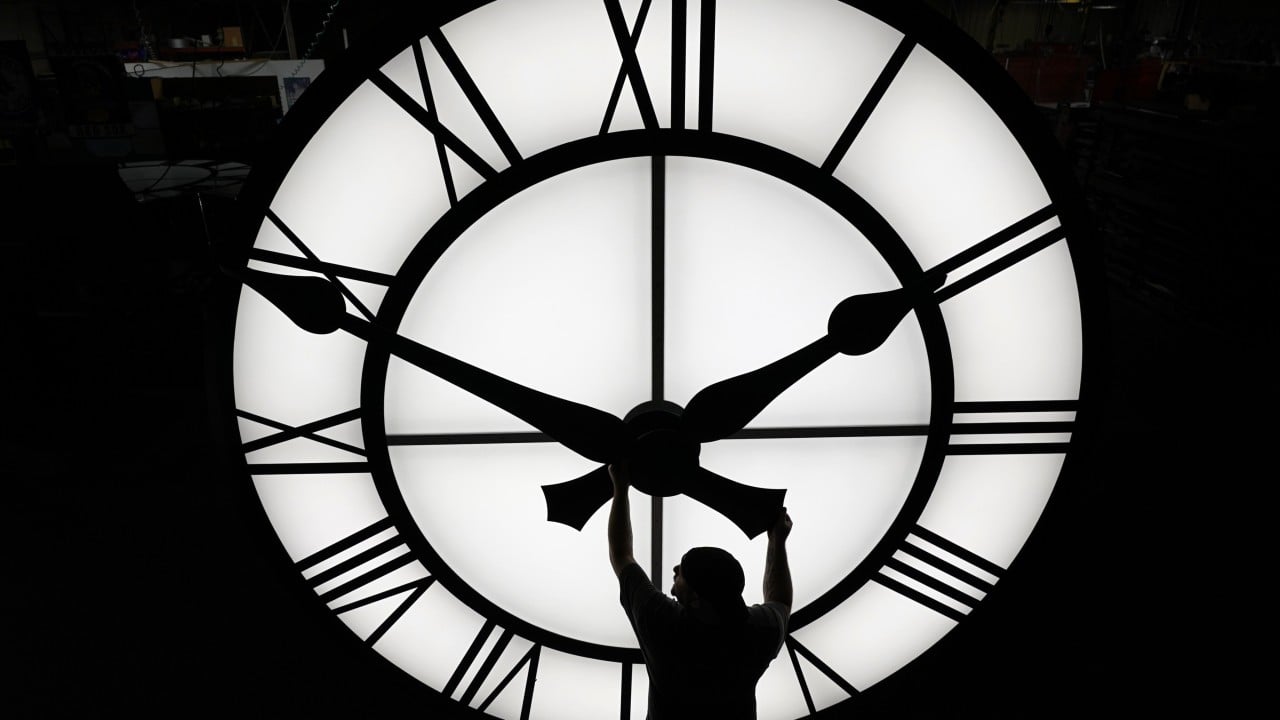
The US House of Representatives just voted 308-117 to pass the Sunshine Protection Act, a sweeping bill designed to end the biannual ritual of changing our clocks. For millions of Americans who despise "springing forward" and losing an hour of sleep, the promise to "ditch the switch" sounds like pure common sense.
But here's what most people get wrong about this legislation: making daylight saving time (DST) permanent is not a simple, victim-free victory. While the House vote is a massive milestone, the real battle is just beginning, and history suggests we might deeply regret getting exactly what we wished for.
We've actually tried this exact experiment before, and it failed spectacularly.
The Push to Lock the Clock
Sponsored by Florida Republican Representative Vern Buchanan, the Sunshine Protection Act (H.R. 139) aims to make daylight saving time the permanent, year-round standard for the nation. Under this bill, we would no longer shift our clocks back an hour in November. We would keep that extra hour of evening light through the dead of winter.
The lopsided bipartisan House vote reflects a deeply unpopular reality: almost nobody likes the current system. An October 2025 AP-NORC poll revealed that a measly 12% of Americans want to keep shifting their clocks twice a year.
Proponents of the bill point to several key arguments:
- Economic Boost: The golf, retail, and tourism industries love extra evening light because people stay out later and spend more money.
- Public Safety: More light during the hectic evening commute naturally reduces traffic accidents and deters opportunistic evening crime.
- Lifestyle Benefits: Families get more usable outdoor time after school and work, which advocates argue promotes healthier lifestyles.
Even Donald Trump has championed the move on social media, calling it a "very nice WIN" and a "popular, common-sense reform". The White House has indicated that advisers would recommend the president sign the bill if it clears Congress.
The Dark Side of Permanent Daylight Saving Time
If everyone hates changing the clocks, why has it taken so long to fix? The answer lies in the harsh reality of geography and human biology.
While late-afternoon sun in December sounds great, the trade-off is incredibly dark winter mornings. If this bill becomes law, cities like Washington, D.C. won't see the sun rise until 8:30 a.m. in late December. Further north and west within time zones, sunrises will drag past 9:00 a.m.
This means millions of children will walk to school or wait for school buses in pitch-black darkness. Commuters will head to work in the dead of night. Pennsylvania Representative Mary Gay Scanlon fought the bill on these exact grounds, warning of hazardous, dark winter mornings that could put pedestrian safety at risk.
Then there's the science. Sleep experts, neurologists, and the American Academy of Sleep Medicine strongly oppose permanent daylight saving time. Their issue isn't with "locking the clock"—it's with locking the wrong clock.
According to sleep scientists, permanent standard time (the winter time we currently "fall back" to) aligns far better with human biology. Early morning light is what signals our brains to wake up and resets our circadian rhythms. When we force our bodies to wake up in prolonged darkness, we suffer from chronic sleep debt, which is linked to metabolic issues, cardiovascular strain, and mental health struggles.
The 1973 Lesson We Forgot
We don't have to guess how this will play out because we've already run this experiment.
During the energy crisis in the winter of 1973-1974, President Richard Nixon signed a bill putting the U.S. on permanent daylight saving time to conserve fuel. At first, the move was highly popular, boasting approval ratings above 70%.
The enthusiasm lasted until January.
As school districts forced children into freezing, pitch-black mornings, tragedy struck. Reports of children being hit by cars on their way to school flooded the news. Public outrage was swift, fierce, and loud. By the spring of 1974, approval ratings had cratered to less than 20%. Congress rushed to undo the law, and the country quickly reverted to the standard winter time we use today.
What Happens Next
Just because the House passed the bill doesn't mean you should throw away your clock-resetting skills just yet.
The bill now moves to the Senate, where its future remains highly uncertain. While the Senate passed a similar measure back in 2022, the political landscape and regional priorities have shifted. Lawmakers representing Midwestern states, where winter sunrises would be pushed past 9:00 a.m., remain highly skeptical of the disruption it will cause to their agricultural and school-aged communities.
If the Senate does pass the bill and it's signed into law, there are built-in guardrails. States would have the opportunity to opt out of permanent daylight saving time in favor of permanent standard time, provided their state legislatures act before the federal law officially takes effect. Currently, Hawaii and most of Arizona already observe permanent standard time and would remain unaffected.
The debate is far from over, but the momentum to stop the biannual clock-switching has never been stronger. Whether we end up with permanent summer light or standard winter mornings, the era of "springing forward" and "falling back" is finally on life support.