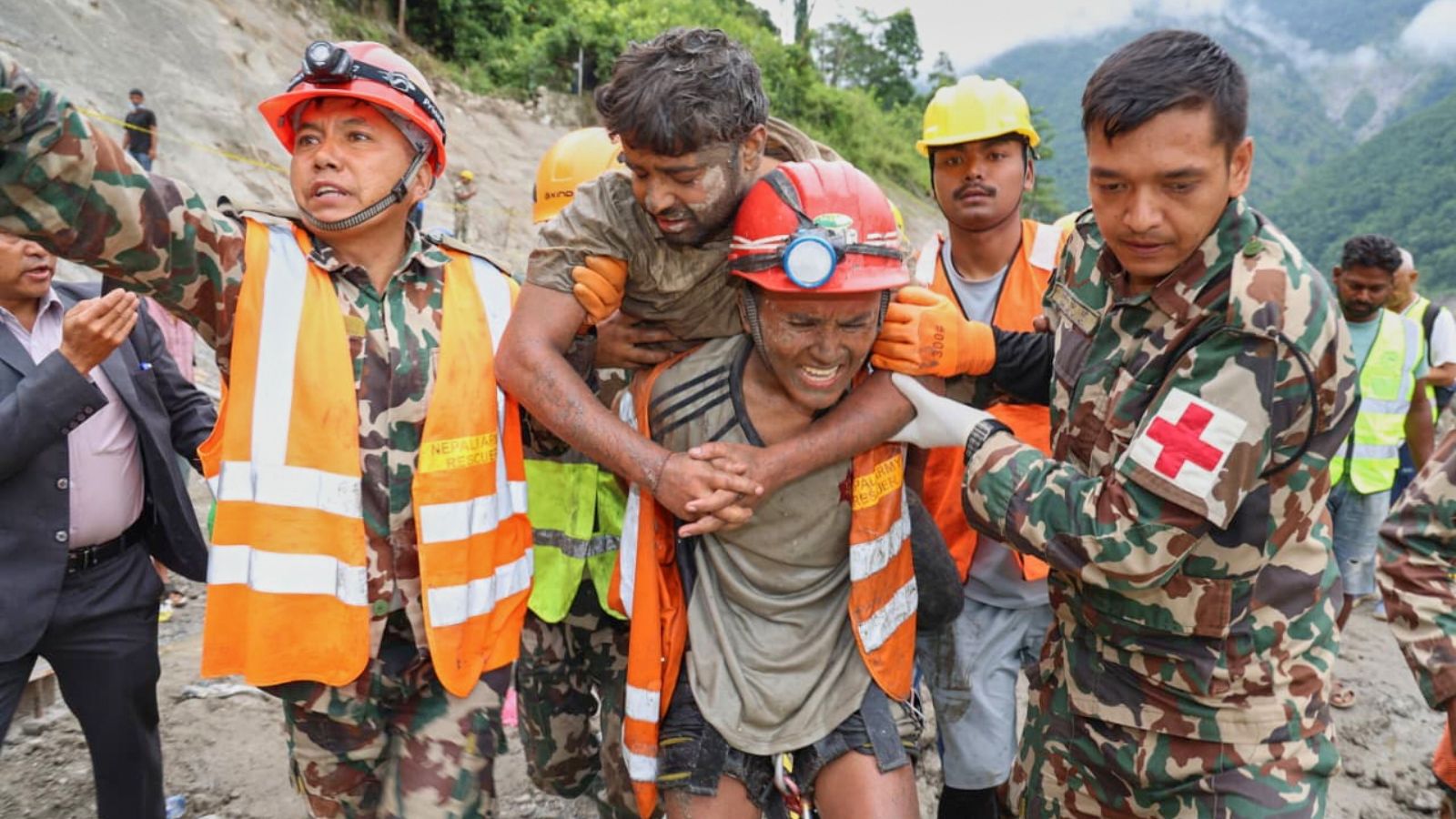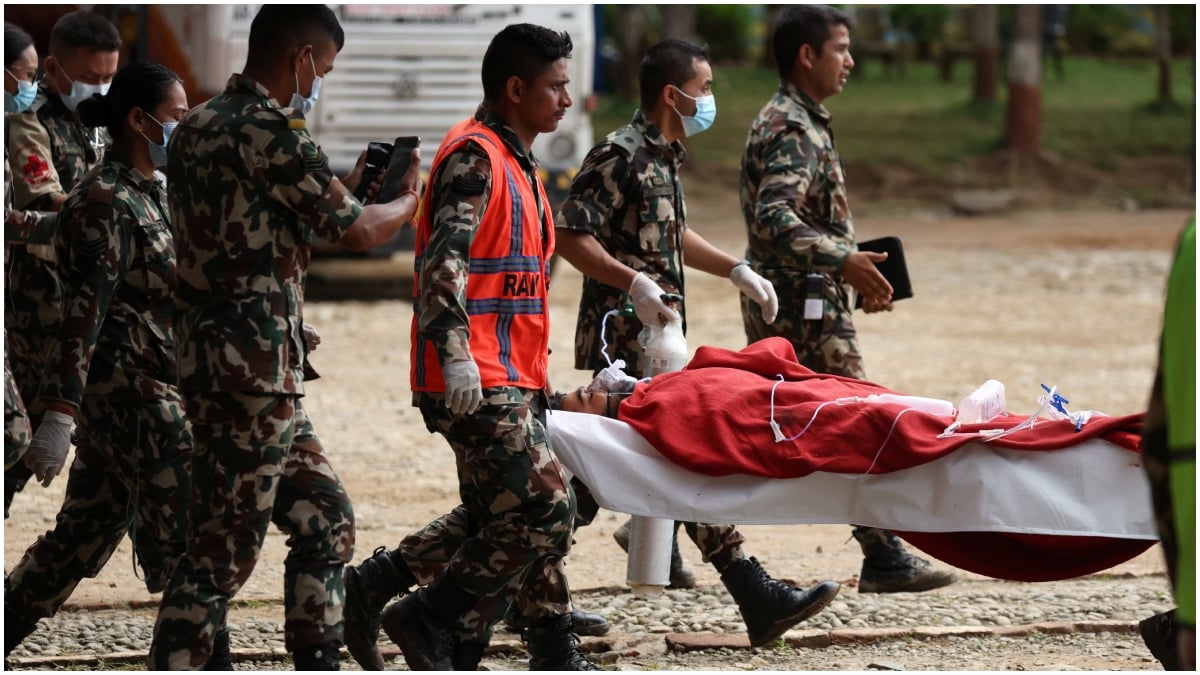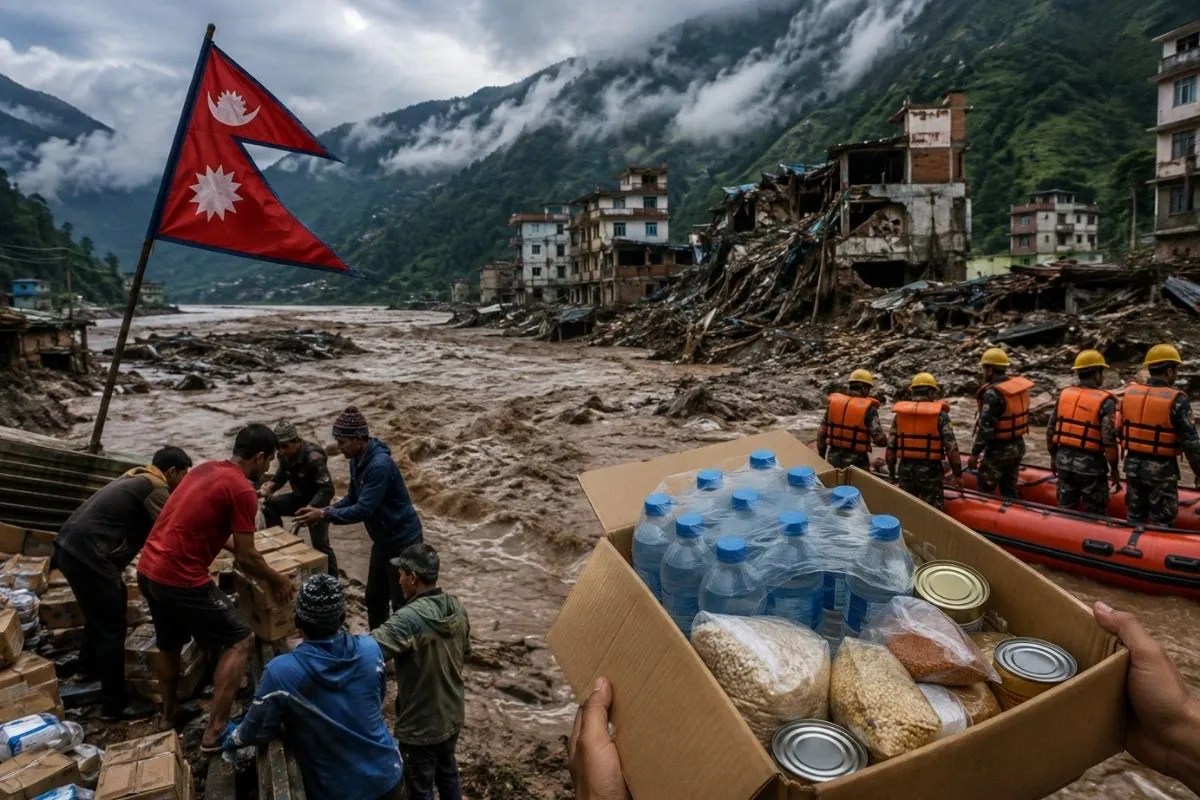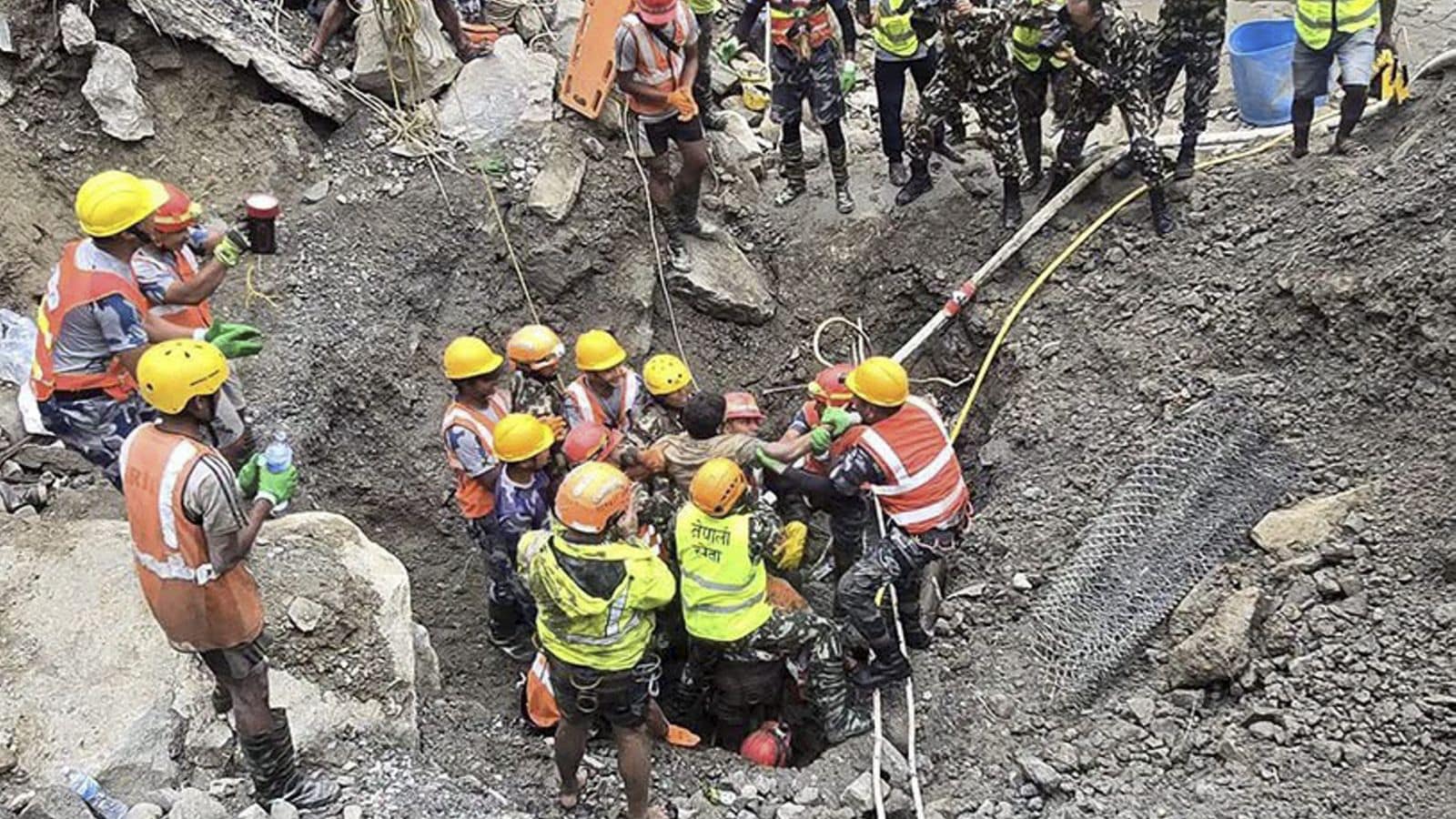
The headlines from South Asia follow a tired, predictable script. When heavy monsoon rains trigger catastrophic landslides and swelling rivers in Nepal, media outlets rush to tally the dead and missing. They quote ballooning casualty statistics, splash photos of submerged neighborhoods across screens, and demand international aid.
It is a tragedy, certainly. But the standard reporting commits a fundamental error of perspective. It treats geography and weather as active criminals and structural poverty as an unavoidable act of God.
Focusing purely on the rising body count obscures the actual mechanics of destruction. The lazy consensus says more funding and quicker emergency food drops solve the crisis. That is a dangerous delusion. Relief efforts keep the symptoms alive while ignoring the policies actively engineering the next catastrophe.
The Geography of Neglect
Let us look past the shock value of the casualty totals. Nepal sits on one of the most volatile tectonic zones on the planet, carved by steep mountain ranges and fed by intense seasonal monsoons. Heavy rainfall is not an anomaly here. It is a defining climatic feature.
Yet, urban planning across the region operates as if flash floods are sudden anomalies. Unregulated construction creeps directly into natural floodplains. Riverbanks are choked with unauthorized structures. Hillsides are stripped of stabilizing vegetation to feed rampant, unzoned real estate speculation.
When the inevitable monsoon hits, water reclaims its ancient paths. The resulting devastation is categorized as a natural disaster. It is not. It is an engineering failure packaged as a weather event.
I have spent years analyzing disaster response economics, and the pattern is identical across developing hazard zones. Municipal governments trade safety regulations for short-term political expediency. They grant permits in high-risk zones, fail to invest in sub-surface drainage, and rely on the international community to foot the bill when the inevitable washouts occur.
The Aid Trap
Emergency aid creates a perverse incentive structure. When a disaster strikes, massive pools of international capital flow into the affected zones. Tents, bottled water, and short-term rations arrive in waves.
This response treats the acute trauma while starving the chronic disease.
Pouring money into post-disaster recovery without enforcing structural reform is like bailing out a sinking ship with a teaspoon while drilling more holes in the hull. Local politicians have zero incentive to spend capital on expensive, unglamorous mitigation projects like retaining walls, zoning enforcement, or watershed management. Why bother raising local taxes for infrastructure when a disaster guarantees a windfall of foreign sympathy and cash?
The international humanitarian complex loves a good crisis. It thrives on visible suffering because visible suffering opens checkbooks. But by prioritizing emergency response over structural hardening, the system guarantees that next year's monsoon will find the exact same vulnerable populations standing in the exact same path of destruction.
Dismantling the Victim Narrative
Standard reporting loves to paint rural villagers and displaced urbanites as passive victims of climate change. Climate change undeniably intensifies weather patterns, but hiding behind global warming lets local administrative corruption off the hook.
Consider how land ownership laws force impoverished populations into hazardous terrain. Wealthy landowners and commercial enterprises monopolize stable, elevated ground. Marginalized families are pushed onto steep slopes and low-lying riverbeds because those are the only spaces left unregulated and affordable.
When a hillside collapses on a cluster of informal dwellings, the headline blames continuous rainfall. The headline fails to mention the municipal corruption that approved the clear-cutting above the village.
To fix this, we must stop talking about relief and start talking about accountability.
The Hard Reset
If we genuinely want to reduce casualties in regions prone to seasonal flooding, the playbook needs an aggressive rewrite.
First, freeze international disaster relief funds that do not include mandatory, verifiable infrastructure hardening clauses. If a local government refuses to enforce zoning laws along river basins, foreign aid should be redirected to independent contractors who will bypass corrupt local bureaucracies entirely.
Second, pivot capital from reactive rescue operations to proactive relocation. Stop rebuilding homes in active floodplains. Offer citizens financial incentives and secure land grants to move out of high-risk corridors before the monsoon season begins, rather than waiting to fish them out of swollen rivers afterward.
Third, hold regional planners legally liable for structural negligence. When a poorly engineered bridge washes out or an unauthorized settlement collapses, treat it as a structural failure demanding an investigation, not an unfortunate act of nature requiring a moment of silence.
The current system profits off human misery by keeping vulnerable populations right where the water hits hardest. Until we break that cycle, every monsoon will bring the exact same numbers, the exact same tears, and the exact same systemic failure disguised as tragedy.
Stop funding the rescue. Fix the architecture.