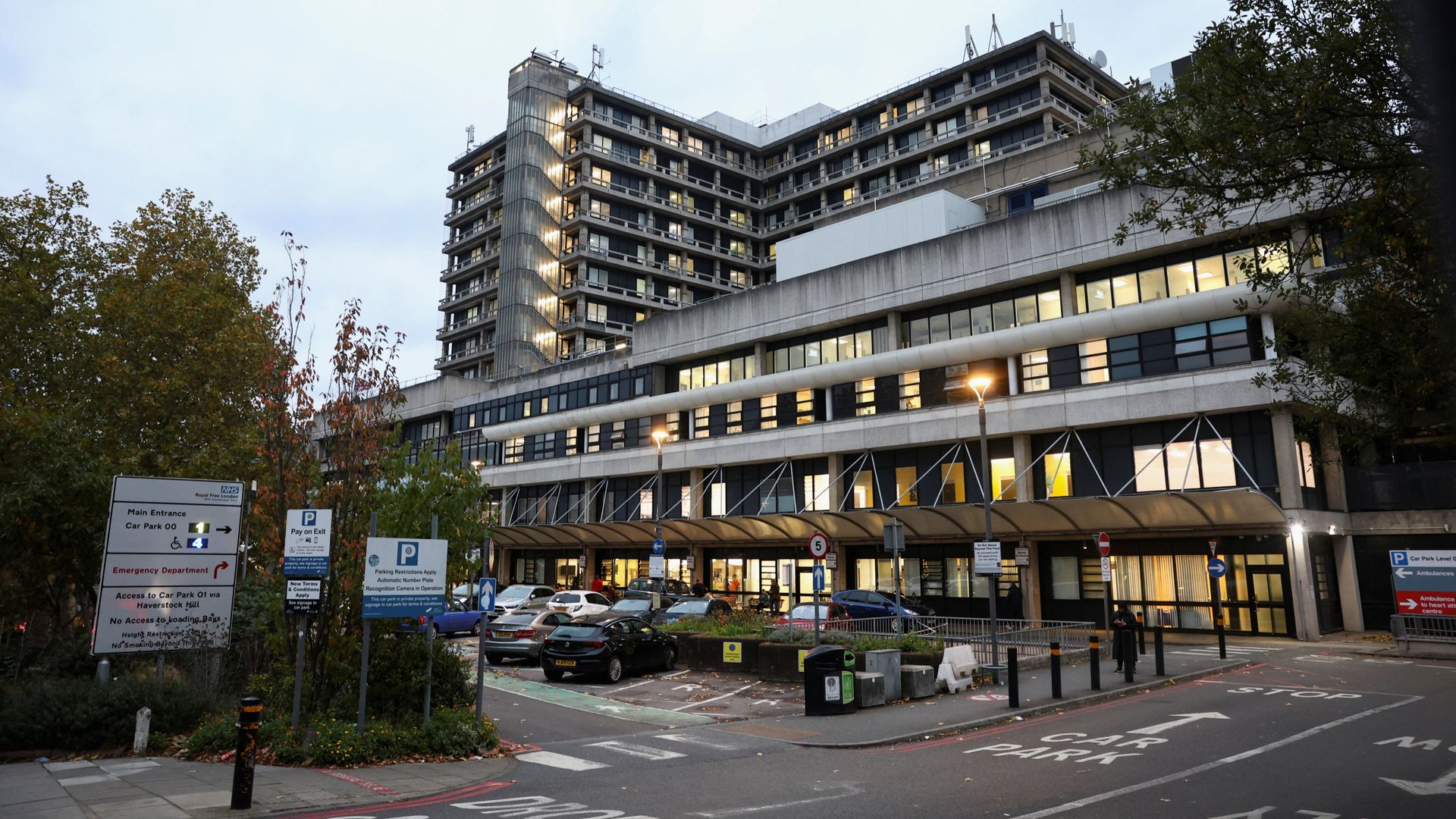
When a British doctor contracted Ebola while treating patients in the Democratic Republic of Congo, public health authorities triggered an emergency protocol refined over decades of viral outbreaks. The patient was airlifted back to London under strict quarantine, arriving at the Royal Free Hospital's specialized High Level Isolation Unit.
It was a dramatic deployment of modern medicine. It also highlighted a glaring vulnerability in global health response.
Transporting an individual infected with one of the world's deadliest filoviruses across continents isn't just a transport challenge. It's a complex chain of biological containment, international air traffic clearance, specialized logistics, and acute clinical intervention. While the medical crew executed the London transfer with precision, relying on single-patient evacuations exposes systemic weaknesses in how high-consequence pathogens are managed during regional crises.
The Reality of High Level Isolation Transport
Standard emergency transport stops working when dealing with an airborne threat or a virus spread through bodily fluids with high fatality rates. The logistics shift instantly.
During the evacuation from West Africa and central Africa in recent outbreak cycles, medical teams relied on specialized isolation technology like the Aircraft Transit Isolator (ATI) and modern Portable Isolation Units. These systems maintain negative air pressure to prevent pathogens from leaking into the aircraft cabin.
The physical toll on transport crews is immense. Personnel operate inside full personal protective equipment (PPE) within confined aircraft spaces for 10 to 15 hours straight. Dehydration, heat exhaustion, and limited dexterity make simple medical procedures like inserting a central line or managing intravenous fluid lines exceptionally risky.
Royal Free Hospital in London remains one of the few global centers equipped with a dedicated, permanent High Level Isolation Unit. Their setup features negative-pressure tent systems built around patient beds, allowing medical staff to provide continuous care through integrated access ports while minimizing direct exposure.
+-------------------------------------------------------------------+
|                  AIR TRANSIT CONTAINMENT CHAIN                   |
+-------------------------------------------------------------------+
|  [Field Triage & Stabilization]                                   |
|         │                                                         |
|         ▼                                                         |
|  [Negative-Pressure Portable Isolator Unit Loading]              |
|         │                                                         |
|         ▼                                                         |
|  [Long-Haul Aeromedical Transport (Controlled Flight Envelope)]    |
|         │                                                         |
|         ▼                                                         |
|  [Secure Tarmac Transfer to Decontamination Ambulance]            |
|         │                                                         |
|         ▼                                                         |
|  [Royal Free Hospital High Level Isolation Unit Bedside Isolation]|
+-------------------------------------------------------------------+
Why In-Country Support Fails Before Medical Airlifts Begin
Focusing strictly on successful international evacuations overlooks a uncomfortable truth. Relying on medical airlifts for international staff highlights the persistent failure to maintain robust, permanent containment facilities within local outbreak zones.
When a healthcare worker contracts Ebola in a remote field clinic in North Kivu or Equateur province, stabilization before transport presents severe challenges. Local health infrastructure often lacks basic supportive care equipment, including basic laboratory monitoring for electrolyte imbalances, organ failure tracking, and rapid blood banking.
Air medical evacuations take days to arrange. Diplomatic clearances, flight permits over multiple airspace jurisdictions, and fuel stops demand intense coordination. A patient's condition can deteriorate rapidly while waiting on a tarmac.
We keep treating high-consequence pathogen evacuations as sudden heroics instead of predictable logistical requirements. That approach costs critical hours.
Medical Interventions inside the Containment Bubble
Once a patient reaches a facility like the Royal Free Hospital, the clinical strategy shifts from basic containment to aggressive supportive therapy combined with experimental antivirals.
Historically, Ebola treatment relied almost entirely on oral and intravenous rehydration to counter massive fluid loss from gastrointestinal symptoms. Modern protocols are vastly different. Today, early administration of monoclonal antibodies—such as mAb114 (Ansuvimab) or REGN-EB3 (Inmazeb)—dramatically improves survival rates when delivered soon after symptom onset.
| Treatment Modality | Historical Baseline Care | Modern High-Level Protocol |
|---|---|---|
| Fluid Management | Basic oral/IV rehydration | Target-driven IV fluid resuscitation guided by central venous monitoring |
| Therapeutics | Symptom control only | Monoclonal antibodies (mAb114, REGN-EB3) targeting viral surface glycoproteins |
| Organ Support | Limited intervention | Real-time continuous renal replacement therapy (CRRT) and mechanical ventilation |
| Diagnostics | Delayed field blood smears | Point-of-care quantitative PCR inside negative-pressure lab isolators |
Managing these advanced therapies inside an isolation tent isn't simple. Every piece of equipment entering the unit must either undergo aggressive chemical decontamination or face destruction as biohazardous waste. Laboratory samples require dedicated, point-of-care PCR machines stationed directly inside the isolation boundary to avoid moving live virus through standard hospital corridors.
Fix the Gaps in Global Pathogen Response
Relying on long-distance evacuations for critical medical staff is an unsustainable strategy for managing global health emergencies. Real biosecurity demands structural changes to how international relief missions operate.
- Deploy Modular Field Isolation Units First: Stop waiting for patients to collapse before organizing air transport. Standardize rapidly deployable negative-pressure field intensive care units that can be airlifted directly into outbreak epicenters within 24 hours.
- Establish Pre-Cleared International Air Corridors: Bilateral diplomatic delays regularly ground evacuation flights. Regional health bodies must pre-negotiate permanent medical evacuation transit rights for epidemic-prone pathogens.
- Equip Local Health Systems Equally: Providing high-tier therapeutics strictly after medical personnel return to Western capitals creates an ethical and operational failure. Monoclonal antibody stockpiles and point-of-care testing equipment must be permanently stationed within high-risk regions.
When high-consequence pathogens emerge, relying solely on specialized airlifts back to facilities in London or Atlanta is a temporary fix. True resilience requires building real containment and treatment capacity directly where outbreaks start.