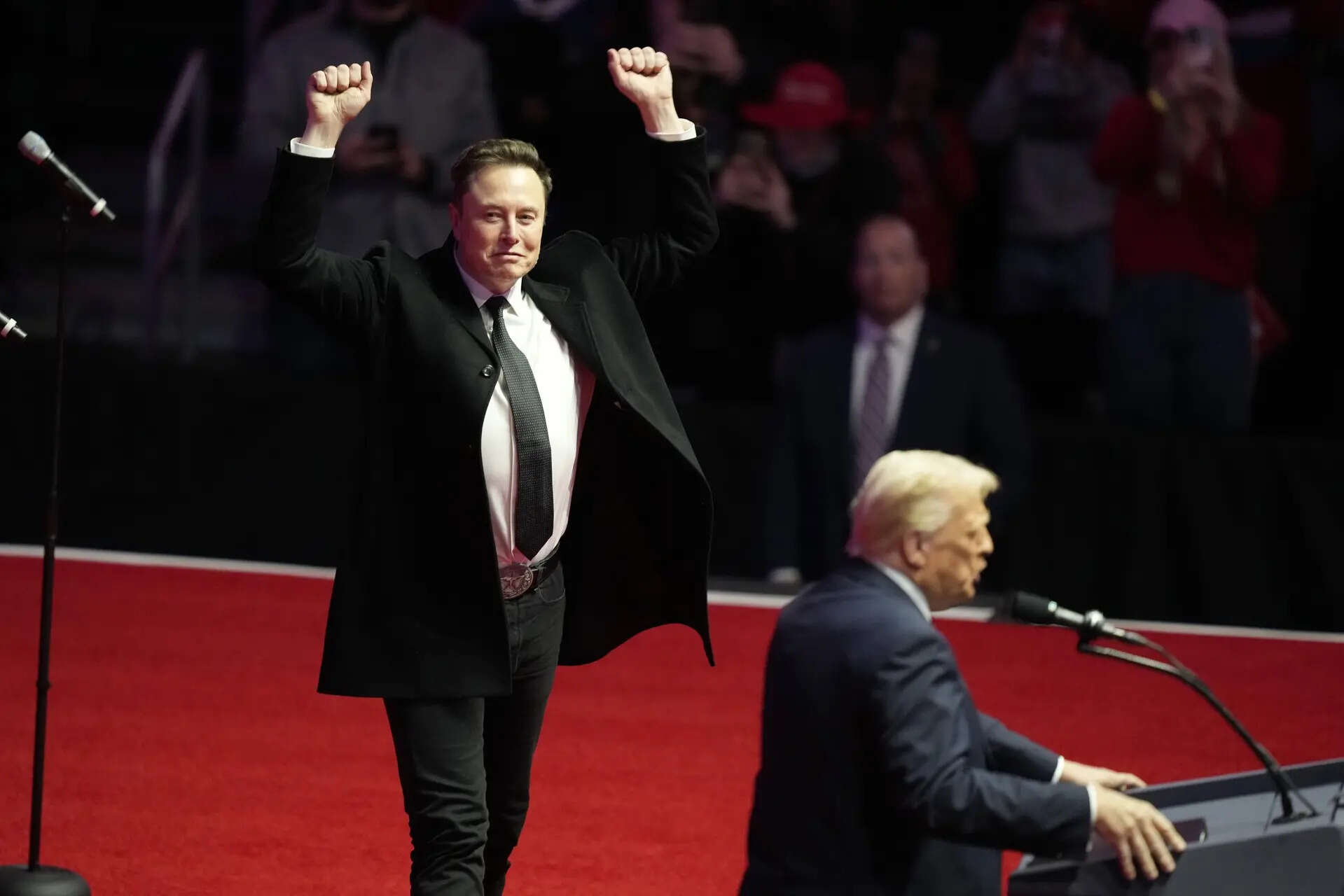
Elon Musk is diving right back into American party politics. Just months after publicly admitting he got completely carried away during the 2024 presidential cycle, the world's richest man is reviving America PAC to protect Republican majorities in Congress.
If you thought tech billionaires would step back after the chaos of the last election, look closer. Musk is gearing up for a massive financial and logistical push ahead of the November congressional races. The strategy relies heavily on grassroots door-to-door canvassing, digital ad blitzes, and aggressive targeting of low-propensity conservative voters who usually skip non-presidential elections.
The Regret and the Return
Back in 2024, Musk poured more than $260 million into America PAC to push Donald Trump across the finish line. He followed that up by leading the Department of Government Efficiency (DOGE), attempting to slash federal spending and trim government bureaucracy. But the heavy involvement took a massive toll. In a revealing interview with The Economist, Musk confessed that he spent way too much time playing political operative instead of running his actual companies.
"I got carried away, frankly," Musk admitted.
Yet, political gravity pulls hard. Despite internal policy friction—including public critiques of high-spending congressional bills—Musk's ties to the Republican apparatus healed quickly. By late 2025, the billionaire was back in the donor pool, writing massive checks for high-profile GOP candidates like Kentucky Senate hopeful Nate Morris before transitioning resources toward the broader congressional battlefield.
How America PAC Operates Differently This Time
During the 2024 presidential run, America PAC made headlines with controversial stunts, including daily million-dollar sweepstakes for petition signers that triggered fierce legal scrutiny. For the upcoming midterms, the playbook is shifting toward ruthless tactical efficiency.
Led by veteran political operative Chris Young, America PAC is coordinating directly with official Republican campaign teams. Thanks to a Federal Election Commission ruling that allows outside super PACs to manage field canvassing operations, Musk's group handles the expensive ground game. This frees up traditional party committees to pour their cash reserves directly into television and digital advertising.
The numbers tell a compelling story. Republican super PACs and allied committees sit on a financial advantage exceeding $300 million over their Democratic rivals, alongside massive war chests housed in groups like MAGA Inc. Musk's infrastructure plugs directly into this financial engine.
Can Money Overcome Structural Headwinds?
Pumping hundreds of millions into grassroots turnout sounds foolproof on paper, but history offers a warning. Midterm elections traditionally punish the party currently occupying the White House. Republicans face stubborn voter anxieties regarding inflation, the broader economy, and foreign policy entanglement. Low approval ratings can dampen enthusiasm, making it much harder to drag infrequent voters to the polls.
Musk's operation aims to bypass historical trends by treating a midterm map like a presidential sprint. By hyper-focusing on swing-state districts and rural pockets, America PAC hopes to recreate the magic of the 2024 turnout surges that surprised pollsters.
When the richest man on Earth decides to rewrite the congressional map, ignore the noise and watch the data. The next few months will prove whether grassroots door-knocking powered by billionaire capital can rewrite political history once again.