When an eight-hundred-and-forty-two-million-dollar data center project gets quietly buried after a wall of fierce public backlash in Sydney, it signals a profound shift in how modern infrastructure gets built. Or rather, how it fails to get built.
For years, digital infrastructure developers operated under a quiet consensus. They built massive server warehouses on the urban periphery, consumed staggering amounts of electricity, pumped heat into the local atmosphere, and expected municipal authorities to wave them through in the name of economic progress. That era has ended. The sudden abandonment of a major Sydney data center blueprint following relentless community resistance is not an isolated planning dispute. It is a warning flare for the entire technology sector. Capital is no longer enough to bulldoze local opposition. If you found value in this post, you might want to read: this related article.
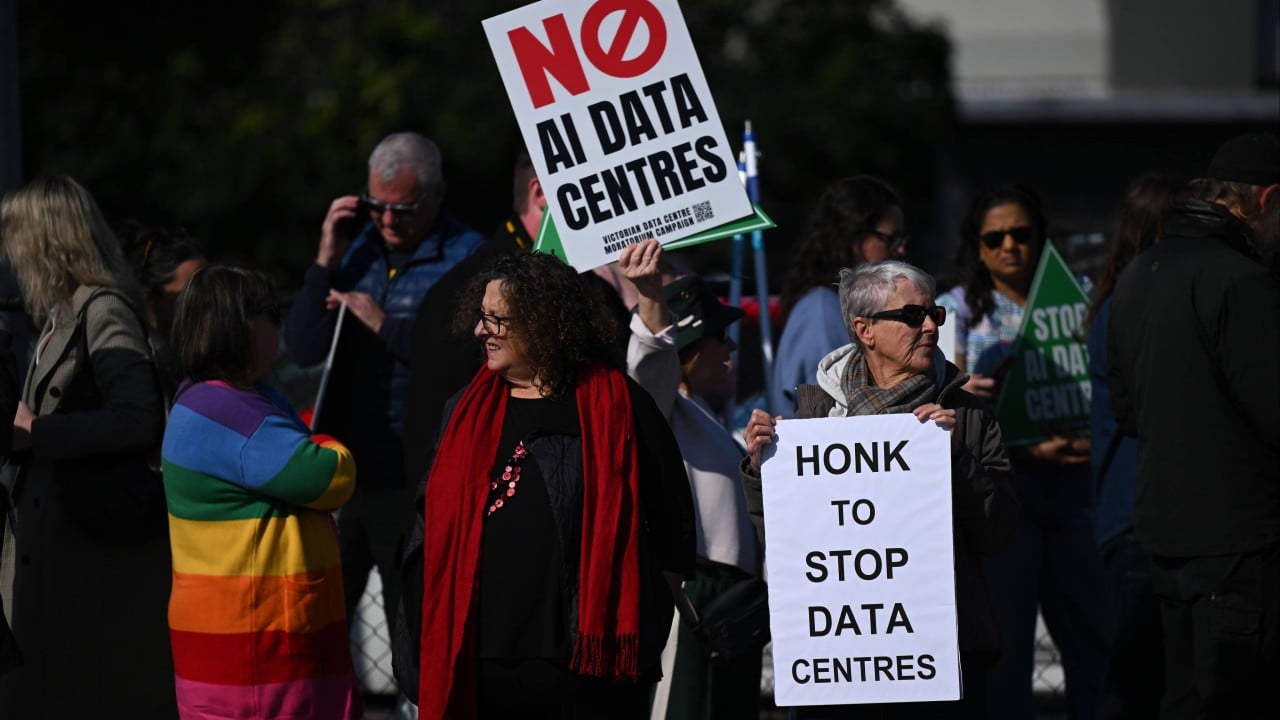
Citizens are pushing back. They are demanding answers about grid capacity, water usage, noise pollution, and visual blight. Corporations accustomed to fast-track approvals are suddenly finding themselves bogged down in bureaucratic warfare, public hearings, and intense media scrutiny. Understanding why this multi-million-dollar investment evaporated requires looking past corporate press releases and examining the brutal economic and social realities of building hyper-scale computing infrastructure in densely populated metropolitan zones.
The Grid Under Pressure
Every digital transaction, artificial intelligence query, and cloud backup relies on physical hardware that requires massive amounts of power. Data centers are essentially industrial furnaces that run twenty-four hours a day, demanding continuous baseload electricity that strains local power grids to their absolute limits. For another angle on this story, refer to the recent coverage from The Verge.
In New South Wales, the electrical grid operates under delicate margins. As coal-fired power stations age toward retirement, renewable energy integration ramps up, and industrial electrification accelerates, the state's transmission networks face unprecedented stress. Introducing a facility that consumes as much electricity as a small town into a suburban or peri-urban corridor creates an immediate crisis for local energy stability.
Residents living near proposed data center sites quickly realized that hosting these facilities carried hidden costs. They saw the writing on the wall regarding potential power rationing, higher retail electricity bills, and the diversion of critical renewable energy away from residential homes to feed corporate server banks. When public utility providers signal that infrastructure upgrades required to service massive data hubs will take years and cost millions in public subsidies, community anger shifts from passive grumbling to active revolt.
Energy security is no abstract theory to homeowners facing soaring power tariffs. When a corporation proposes a facility that threatens local grid reliability, the political friction becomes unmanageable. Boards of directors calculated the risk and realized that fighting an enraged electorate over megawatts was a losing battle.
The Noise and the Heat
Computers generate heat. Lots of it. Cooling thousands of high-density servers requires industrial refrigeration units, massive banks of cooling towers, and relentless ventilation fans that run at a deafening pitch day and night.
Developers often present architectural renderings that depict sleek, quiet, glass-and-steel monoliths sitting peacefully among landscaped grounds. Reality tells a vastly different story. The actual acoustic footprint of a modern data center involves a constant, low-frequency hum that travels across residential property lines, disturbing sleep and degrading quality of life. Municipal noise regulations struggle to measure or control the specific vibrational frequencies emitted by industrial cooling infrastructure, leaving homeowners with little recourse once construction finishes.
Water consumption compounds the friction. Evaporative cooling systems devour millions of liters of municipal water daily to keep server temperatures stable. In a country prone to severe droughts, water security remains a deeply sensitive political flashpoint. Communities located hours outside Sydney watched water reservoirs fluctuate through dry cycles while developers sought priority allocation for cooling server racks.
The physical reality of living next door to a massive computing plant clashes sharply with suburban expectations. People buy homes expecting quiet neighborhoods, clean air, and manageable resource usage. They do not sign up to live in the shadow of a high-security industrial powerhouse humming twenty-four hours a day.
The Evolution of Community Mobilization
Grassroots opposition has grown sophisticated. Twenty years ago, a developer facing local anger could simply hire public relations consultants, host a token town hall meeting, and wait for the storm to blow over. Today, local resident action groups operate like corporate legal teams.
Residents pool resources to hire independent acoustic engineers, urban planning consultants, and environmental lawyers. They comb through development applications line by line, identifying flaws in traffic assessments, environmental impact statements, and emergency evacuation plans. They coordinate across suburbs, weaponizing local council elections and bringing intense pressure on elected officials who approve heavy industrial zoning near residential zones.
When the Sydney project faced an avalanche of public fury, it was not just a matter of a few loud voices writing letters to local newspapers. It was a coordinated, multi-pronged campaign that threatened to tie the development up in the Land and Environment Court for years. Litigation creates uncertainty. Uncertainty kills financing. Investors examining an eight-hundred-and-million-dollar expenditure want predictable timelines and stable regulatory approvals. Once community resistance turns into an endless legal slog, the financial model collapses under its own weight.
Zoning Laws Trapped in the Past
Municipal planning frameworks in Australia were designed for a different era of manufacturing and commerce. Warehouses, factories, and light industrial parks fit neatly into predictable zoning categories established decades ago. Data centers do not fit these boxes.
A modern data center sits in a strange regulatory blind spot. It employs very few people relative to its massive physical and financial footprint, meaning it provides minimal local employment benefits compared to a traditional manufacturing plant or distribution center. Yet it consumes more power than a heavy steel mill.
Local councils find themselves wrestling with outdated planning definitions that treat server warehouses identically to standard logistics sheds. This mismatch leaves local governments legally vulnerable. If a council approves a data center under archaic rules, residents can challenge the decision based on environmental and infrastructure impacts that the original zoning laws never anticipated.
The planning system failed to evolve alongside the digital economy. Until state governments rewrite zoning laws to explicitly address the unique demands of digital infrastructure—mandating stricter distance buffers from residences, strict energy efficiency baselines, and mandatory renewable energy sourcing—every major data center proposal will remain a legal battleground.
The Real Price of Digital Sovereignty
Society demands more cloud storage, faster streaming, and advanced computing power with every passing month. Yet nobody wants the physical infrastructure required to support those demands built anywhere near their neighborhood. This tension defines the current crisis in digital infrastructure development.
When a project of this magnitude collapses, the financial shockwaves travel far beyond the boardroom of the firm that walked away. It forces hyperscalers and cloud providers to re-evaluate their entire expansion strategies across the Asia-Pacific region. Building closer to population centers ensures low latency and faster data retrieval for urban consumers, but it incurs massive political and social costs.
Developers now face a stark choice. They can push deeper into remote regional areas where land is cheap and neighbors are scarce, accepting higher transmission latency and the enormous cost of building dedicated high-voltage power lines. Or they can invest heavily in underground engineering, advanced liquid cooling technologies that eliminate noisy fans, and co-generation power plants that produce their own electricity off-grid.
Each alternative adds billions to capital expenditure sheets. The easy land grab near metropolitan power sub-stations is over. The cancellation of the Sydney project proves that the hidden costs of ignoring community consent have finally caught up with the balance sheets of tech infrastructure giants.
Capital moves where resistance is lowest, and the suburbs of Sydney just raised the price of admission too high.