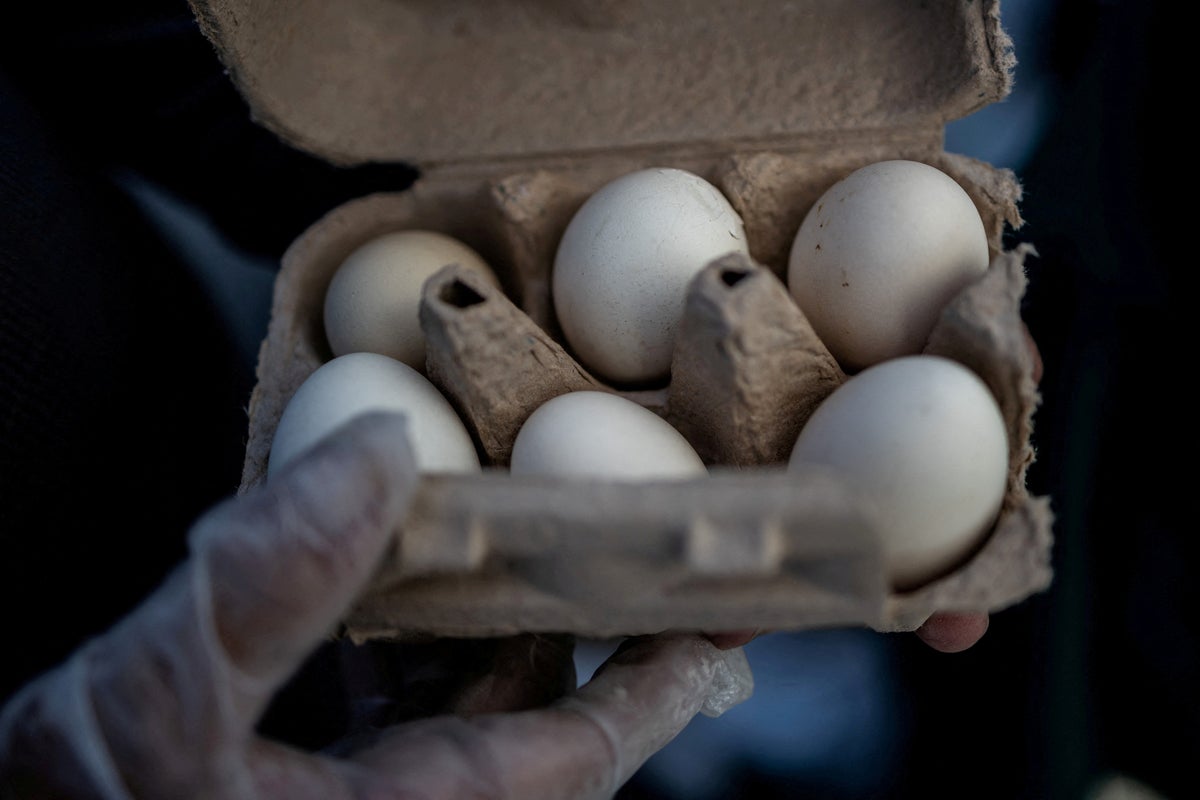
If you bought eggs recently from major grocery chains like Kroger or Brookshire's, you might want to open your fridge right now.
Midwest Poultry Services announced a voluntary recall of roughly 1.6 million dozen shell eggs produced at its Texas facilities. The culprit? Potential contamination with Salmonella Enteritidis, a pathogen that causes severe gastrointestinal distress.
Food safety alerts pop up constantly, but when a single recall impacts over 19 million individual eggs, people naturally panic. I've spent years tracking FDA supply chain notices and food safety protocols, and I can tell you that understanding what actually lands in your grocery cart—and what to do if you bought tainted batch numbers—is easier than it looks.
What Triggered the Massive 1.6 Million Dozen Recall
The issue started when routine environmental monitoring and internal testing at two Texas farms flagged the presence of Salmonella bacteria.
Rather than waiting for reported illnesses, the producer halted fresh egg shipments from those sites and issued a proactive recall covering production runs between June 6 and July 3. That proactive step matters. In many past outbreaks, regulators only stepped in after dozens of hospitalizations forced an investigation.
The recalled product line spans both conventional white shell eggs and brown cage-free options. Distributed across southern states including Texas, Louisiana, Oklahoma, Arkansas, New Mexico, and Mississippi, these cartons hit shelves under several familiar brand labels:
- Kroger
- Simple Truth Cage Free
- Brookshire's
- Country Morning
- Sunups
No direct human illnesses have been confirmed in connection with this specific batch yet, but the risk remains high if raw or undercooked eggs from these lots are consumed.
How to Read Egg Cartons and Find Your Plant Code
Don't throw away perfectly good food just because you buy groceries at Kroger. You need to check the specific plant codes printed directly on the side of your egg carton.
Look at the narrow end or side panel of your egg box. You're searching for two pieces of information: the plant code (which begins with the letter "P") and the Julian date (a three-digit number representing the day of the year the eggs were packed).
Specific Lot Numbers to Check Immediately
The FDA alert targets cartons displaying either of these specific plant codes:
- P-1950
- 0840962
Along with those plant codes, check the Julian date stamped next to them. If the three-digit Julian number falls between 157 and 184, with best-by or sell-by dates marked between July 20 and August 17, those eggs are part of the recall.
If your carton bears a different plant code—even if bought at the same store—it came from a different facility and wasn't impacted by this production halt.
The Real Health Risks of Salmonella Contamination
Salmonella Enteritidis isn't just a basic stomach bug. It's an invasive bacterium that colonizes the intestinal tract.
Symptoms usually hit anywhere between 6 hours and 6 days after consuming contaminated food. Most people experience a rough few days featuring:
- High fever and chills
- Severe abdominal cramps
- Persistent diarrhea (sometimes bloody)
- Nausea and frequent vomiting
For healthy adults, symptoms generally pass within four to seven days without medical intervention beyond hydration. But for young children, elderly individuals, or anyone with a compromised immune system, the bacteria can breach the intestinal lining and enter the bloodstream. That leads to severe complications like arterial infections, endocarditis, or severe systemic illness.
If you suspect you ate contaminated eggs and develop high fever or signs of dehydration, skip the home remedies and contact a physician promptly.
Steps to Take If You Have Recalled Eggs in Your Kitchen
If you check your carton and the plant code matches P-1950 or 0840962, take these steps immediately:
- Do not eat them. Cooking eggs thoroughly kills bacteria, but food safety agencies strongly advise against consuming known recalled lots due to cross-contamination risks.
- Return for a full refund. Bring the carton back to the store where you bought it—whether that's Kroger or Brookshire's—for a complete refund. You don't need a receipt in most cases for active health recalls.
- Sanitize your refrigerator shelves. Bacteria can easily spread from eggshells to plastic bins, door shelves, and nearby food. Wash the areas where the carton sat using warm, soapy water followed by a mild bleach solution or disinfectant spray.
- Wash your hands and utensils. If you touched the eggs or carton, scrub your hands thoroughly with warm water and soap for at least 20 seconds. Wash any cutting boards or counters that came into contact with the packaging.
Dispose of or return the affected products today, wipe down your fridge drawer, and double-check your lot numbers before making breakfast tomorrow.