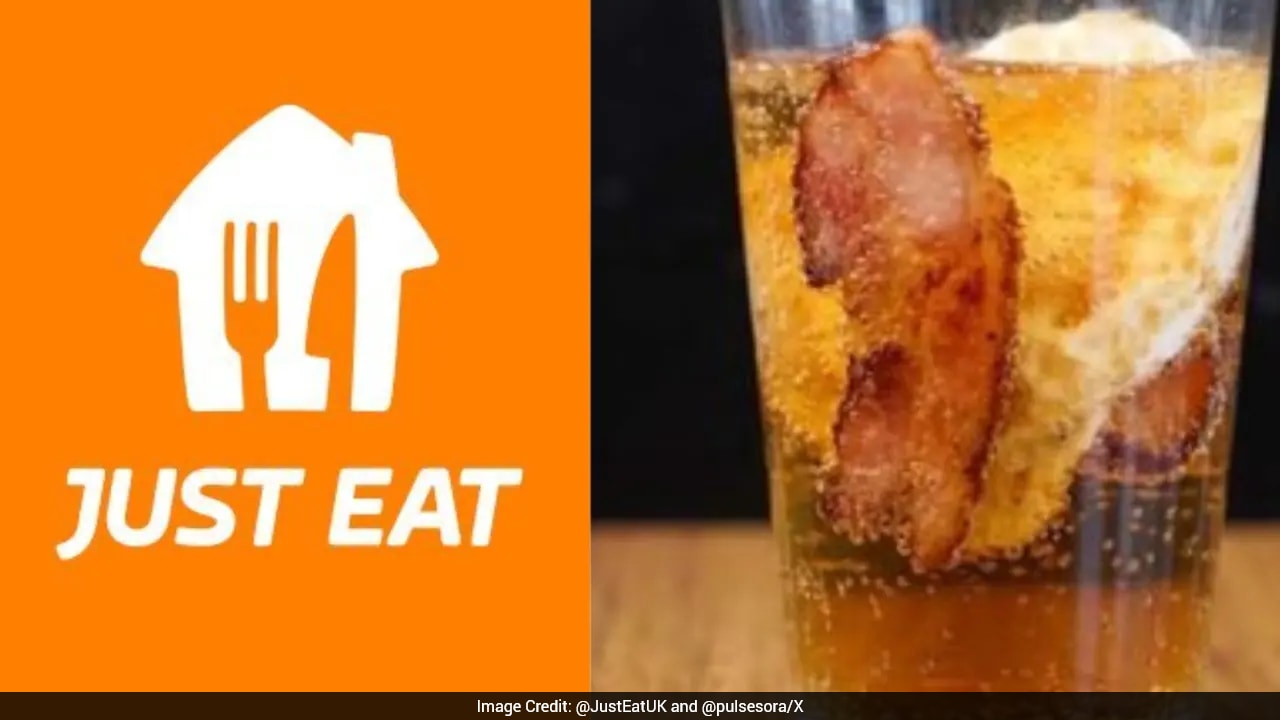
Ever ordered a kebab and received a picture of a floating meat-and-dough hybrid that looks like it came straight out of a fever dream? Customers using the food delivery platform Just Eat recently ran into that exact problem, forcing the company to issue a public apology after AI generated bizarre food images across restaurant menus.
It wasn't a minor glitch. Diners browsing the app spotted absurd, distorted, and frankly unappetizing visuals attached to real local takeaways. Instead of whetting appetites, the synthetic photos triggered widespread mockery on social media and forced Just Eat to acknowledge that its automated visual tools had gone off the rails.
Why Just Eat Used AI Images in the First Place
Food delivery apps live and die by conversion rates. When you're scrolling through fifty different Indian takeaways or burger joints at 8 PM on a Friday, you don't read ingredient lists. You look at the pictures.
Independent restaurants often lack the budget or time to hire commercial food photographers. Many local shops upload menus with zero photos, which tanks their click-through rates compared to major chains like McDonald's or KFC. To bridge that gap, delivery platforms—including Just Eat, Uber Eats, and DoorDash—began experimenting with generative AI to fill in blank menu items with automatically created food imagery.
On paper, the idea makes total sense. Give a mom-and-pop shop professional-looking thumbnails without charging them thousands of pounds for a studio shoot.
In practice, it turned into a mess.
What Actually Went Wrong on the Menus
Generative AI models still struggle with the messy, specific reality of local takeaway food. When you feed a text prompt like "mixed grill box" or "cheesy chips with garlic sauce" into an image generator without strict human oversight, the software guesses what those words mean visually.
The results on Just Eat were jarring. Customers shared screenshots of dishes featuring impossible geometry, melting utensils, mutant portions of fries fused into solid blocks, and unidentifiable proteins glowing under weird studio lighting. Some images didn't even resemble the actual dish sold by the restaurant, creating an immediate trust gap between what a buyer sees on screen and what arrives in a cardboard box thirty minutes later.
When an image looks fake, customers assume the restaurant is fake too. Ghost kitchens already make diners skeptical about where their food actually comes from, so slapping uncanny-valley photography onto a legitimate neighborhood curry house actively hurts the business it's supposed to help.
Just Eat's Apology and the Backlash from Restaurant Owners
After screenshots circulated widely online and drew press coverage, Just Eat stepped in to apologize for the bizarre AI-generated menu photos. The company stated that it was reviewing the affected listings and removing the inaccurate visuals.
For restaurant owners, the fallout hits harder than a few laughs on X or Reddit. Small hospitality businesses operate on razor-thin margins. When a platform alters their storefront without clear quality control, the restaurant takes the reputational hit—not the tech giant running the algorithm.
Diners rarely blame the app's backend software when a menu looks sketchy. They blame the restaurant. If a customer sees a deformed burger photo, they bounce to a competitor within two seconds. Worse yet, if someone orders based on an inflated, hyper-glossy AI picture and gets a standard foil tray of food, they leave a one-star review complaining about false advertising.
The Bigger Problem with AI in Food Delivery
Just Eat isn't alone here. Across the delivery industry, platforms are racing to automate everything from customer support chatbots to dynamic pricing and menu descriptions.
The core mistake is treating generative AI as a "set it and forget it" tool rather than an assistant that requires human approval. Automated image generation fails specifically because food is deeply cultural and hyper-local. A "spice bag" in Dublin, a "parmo" in Middlesbrough, and a "halal snack pack" in Sydney all have very specific visual identities that generic training data routinely botches.
Platforms also face growing regulatory scrutiny over misleading commercial imagery. Consumer protection rules in the UK and Europe strictly prohibit deceptive product representations, and regulators are paying closer attention to synthetic media used in retail and hospitality.
How Restaurants and Platforms Should Handle Menu Visuals
If you run a restaurant on a third-party delivery platform, don't let an algorithm guess what your food looks like. Audit your live menu listings on Just Eat, Deliveroo, and Uber Eats from a customer's phone at least once a month to catch unauthorized placeholder graphics or auto-generated thumbnails.
You don't need a five-figure photography budget to beat AI slop. A modern smartphone, natural daylight near a front window, and a clean plate will outperform synthetic imagery every single time because real food carries real texture and authenticity. Take photos of your top ten best-selling items, upload them directly through your merchant portal, and opt out of automated image enhancement features wherever the platform allows it.
For delivery companies, the fix is equally straightforward—require explicit restaurant sign-off before publishing any AI-generated asset, label synthetic images transparently, and keep humans in the loop before bizarre pictures ever reach a customer's screen.